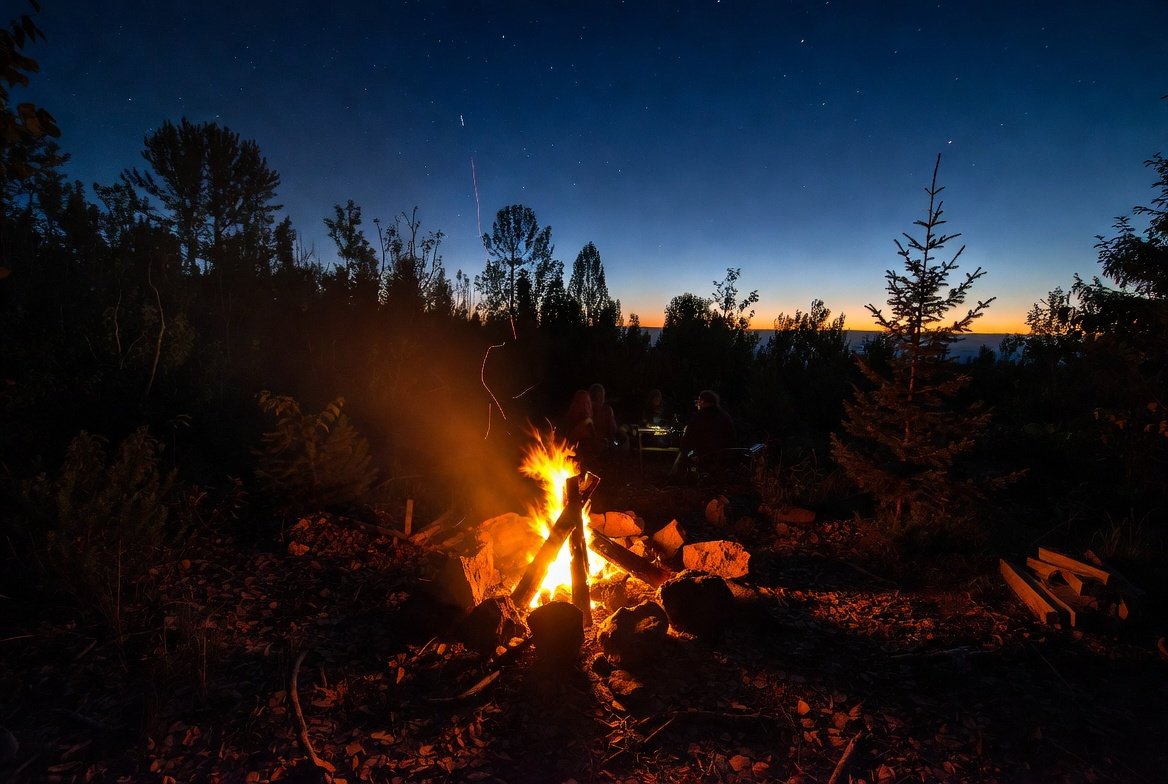
Building a campfire is a timeless outdoor skill that brings warmth, light, and a sense of connection to nature. It involves carefully selecting a safe location, gathering the right materials like tinder, kindling, and fuelwood, arranging them in stable structures, and lighting them responsibly while prioritizing safety and environmental care. Whether you’re camping with family or enjoying a peaceful evening under the stars, mastering this skill creates lasting memories filled with stories, laughter, and gratitude for the blessings of the natural world.
From ancient times, people have gathered around fires for comfort and companionship. Today, knowing how to build a campfire remains an essential part of wholesome outdoor adventures, fostering appreciation for Allah’s creation while teaching responsibility and patience.
Why Learning Campfire Skills Matters for Every Outdoor Enthusiast
Campfires offer more than just heat—they create an atmosphere of togetherness. Families bond over roasted treats, friends share meaningful conversations, and individuals find quiet reflection amid the crackling flames. In our fast-paced lives, stepping into nature and building a fire reminds us to slow down and cherish simple joys.
The process encourages mindfulness. You observe wind direction, choose sustainable wood, and ensure no harm comes to the surroundings. This aligns beautifully with values of stewardship and gratitude, reminding us that every resource is a trust to be used wisely.
Moreover, a well-built campfire supports practical needs like cooking meals, drying clothes after rain, or providing warmth on chilly nights. It’s a skill that builds confidence and self-reliance, perfect for beginners and seasoned adventurers alike.
Choosing the Perfect Location for Your Campfire
Safety begins with location. Always check local regulations—many parks require permits or designate fire rings. Select a spot at least 15 feet away from tents, trees, overhanging branches, or dry grass. Clear a circle of at least 10 feet in diameter, removing leaves, twigs, and anything flammable.
Look for natural windbreaks like large rocks or hills, but avoid building directly against them to prevent uncontrolled spread. If no established fire pit exists, dig a shallow pit and surround it with rocks to contain the flames. This preparation shows respect for the land and minimizes risks.
Consider the weather too. Avoid high winds or extremely dry conditions. A responsible camper always has a water source or shovel nearby for emergencies.
Gathering the Right Materials: Tinder, Kindling, and Fuelwood
Success depends on three main types of materials, each playing a vital role.
Tinder is the foundation—fine, dry materials that catch fire easily. Think dry grass, pine needles, birch bark, or cotton balls. Collect enough to fill both hands; it needs to ignite quickly from a spark or match.
Kindling comes next—small sticks and twigs, pencil-thick to finger-thick. These sustain the initial flames and help larger wood catch. Gather a generous armful, ensuring everything is bone-dry for best results.
Fuelwood keeps the fire going. Choose wrist-thick or thicker logs from hardwood like oak or maple for longer burns. Softwoods like pine work for quick starts but produce more smoke. Never cut live trees—use only downed, dead wood to protect the environment.
Pro tip: Collect more than you think you’ll need. It’s better to have extras than to scramble in the dark.
Step-by-Step: How to Build a Campfire the Right Way
There are several classic methods, each suited to different needs. The teepee style is beginner-friendly and excellent for quick warmth. Start by placing a small bundle of tinder in the center. Arrange kindling in a cone shape around it, leaving space for airflow. Add larger fuelwood gradually in the same pattern, building upward like a traditional tent.
The log cabin method offers a steadier burn, ideal for cooking. Lay two larger logs parallel, place kindling and tinder between them, then stack smaller logs across like building a cabin. This structure collapses naturally as it burns, feeding the fire steadily.
For windy conditions, try the lean-to method. Use a large log as a windbreak, lean kindling against it over the tinder, and build up from there.
Whichever structure you choose, remember to leave gaps for oxygen—fires need air to breathe. Light the tinder from multiple sides for even ignition. Once flames take hold, add fuel gradually rather than all at once to avoid smothering.
Understanding how to build a campfire properly transforms a simple pile of wood into a reliable, controlled source of light and heat that enhances every outdoor moment.
Essential Safety Practices to Keep Everyone Protected
Safety is non-negotiable. Never leave a fire unattended, even for a minute. Keep children and pets at a safe distance and establish clear rules. Have water, sand, or a shovel ready to extinguish flames completely.
Wear appropriate clothing—avoid loose synthetics that can melt. Use long matches or a reliable lighter, and store them safely. If using fire starters, choose natural, non-toxic options.
Always follow the “leave no trace” principle. When finished, drown the fire with water, stir the ashes, and drown again until cold to the touch. Scatter the cooled ashes and restore the area to its natural state.
For more insights on related fire awareness, explore practical guidance on hidden home fire risks that can inform broader safety habits even in outdoor settings.
Cooking Delicious Meals Over Your Campfire
One of the greatest pleasures is preparing food outdoors. With a good bed of coals (rather than active flames), you can grill vegetables, boil water for tea, or roast marshmallows. Foil packets filled with seasoned potatoes, onions, and herbs cook beautifully nestled in the embers.
Skewer meals like kebabs combine protein and vegetables for balanced, wholesome eating. Remember to bring cast iron cookware for durability and even heating. Cooking together strengthens family bonds and creates opportunities to express thanks for sustenance.
Many enthusiasts also reference helpful resources, such as community discussions on Reddit about best campfire cooking techniques for inspiration and shared experiences.
Enhancing Your Campfire Experience with Activities and Stories
Beyond warmth and food, use the fire as a gathering point for positive activities. Share inspiring stories, recite poetry, or play gentle games. Teach children about nature, constellations, or the science of fire in a fun, engaging way.
Some campers bring musical instruments for soft melodies that complement the crackling wood. Others use the time for quiet reflection, journaling, or prayer—appreciating the peace that nature provides.
For reliable outdoor gear recommendations, consider trusted sources like those found through businesstomark.com which often feature practical advice for adventurers.
Common Mistakes to Avoid When Building Campfires
Beginners sometimes use wet wood, leading to excessive smoke and frustration. Always test wood by snapping it—it should break cleanly. Another error is building too large a fire initially. Start small and grow it gradually.
Never use accelerants like gasoline; they’re dangerous and unnecessary. Also, avoid burning trash or plastics, which release harmful fumes.
Overlooking weather changes can lead to problems. Stay alert and be ready to extinguish if conditions worsen.
Environmental Responsibility and Sustainable Practices
True appreciation for the outdoors includes protecting it. Use established sites when possible. Source wood locally and responsibly. Minimize wood use by making smaller fires that still provide comfort.
Educate your group about local ecosystems. Small actions like these reflect care for future generations and the beautiful world we’ve been entrusted with.
For those interested in home heating alternatives that complement outdoor skills, resources on why gas fireplaces are a smart choice can offer additional perspectives on fire management.
Advanced Tips for Different Seasons and Conditions
In winter, snow can insulate the base—clear it thoroughly first. Summer demands extra caution due to dryness. Rainy weather requires extra dry tinder stored in waterproof containers.
Experiment with reflector walls made of rocks or logs to direct heat toward your seating area. Learn to read smoke—white smoke often means moist materials, while steady flames indicate success.
Practice at home in a controlled setting (where permitted) to build confidence before heading into the wilderness.
Building Memories That Last a Lifetime
Every campfire tells a story. The laughter echoing into the night, the warmth shared among loved ones, and the peaceful moments of stillness all contribute to a richer life experience. These gatherings nurture gratitude, patience, and connection—qualities that enrich our daily lives long after the embers cool.