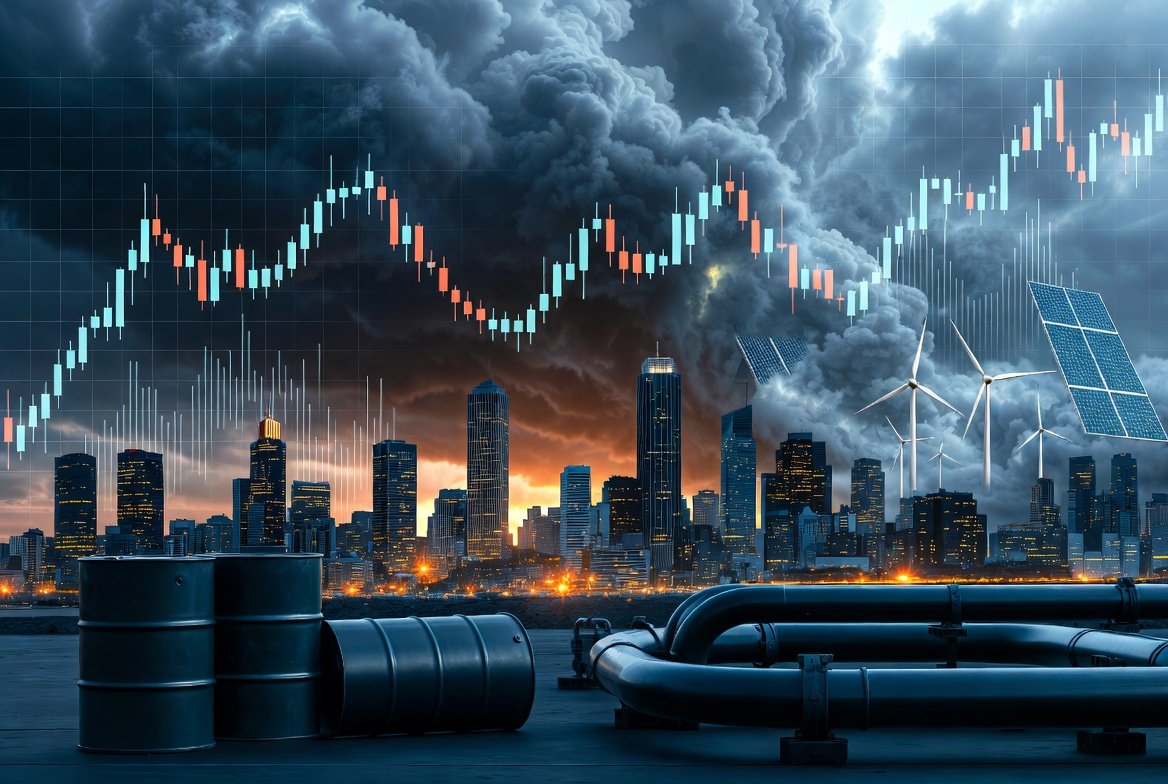
Will rising oil prices trigger widespread concern among investors worldwide? This question captures the heart of ongoing debates in financial circles, especially as energy costs fluctuate due to geopolitical developments, supply dynamics, and shifting global demand. Oil serves as the lifeblood of modern economies, powering transportation, manufacturing, and countless daily activities. When its price climbs sharply, it can ripple through supply chains, influence inflation, and affect corporate profitability—potentially leading to volatility in equity markets. Yet, history shows that while challenges arise, opportunities for thoughtful adaptation and long-term stability often emerge, particularly when approached with wisdom, patience, and ethical principles.
Rising oil prices do not automatically spell disaster. Instead, they invite us to reflect on broader economic resilience, innovation in energy sectors, and the importance of balanced decision-making. In this comprehensive guide, we’ll explore the nuances, drawing on historical patterns, current realities, and forward-looking insights to empower readers with knowledge that fosters confidence and positivity.
Understanding the Relationship Between Oil Prices and Global Markets
Oil price movements have fascinated economists and everyday observers for decades. As a critical commodity, crude oil influences everything from fuel costs at the pump to the expenses businesses face in production and logistics. Higher prices can squeeze margins for industries reliant on energy, while benefiting producers and related sectors.
In wholesome terms, this dynamic encourages societies to pursue efficiency, conservation, and sustainable alternatives that align with responsible stewardship of resources. Families and communities benefit when we view energy not merely as a cost but as a shared global responsibility.
Historical Lessons from Past Oil Shocks
Looking back, several notable periods illustrate how oil surges interacted with stock markets. The 1970s oil crises, triggered by supply disruptions, led to stagflation—high inflation paired with sluggish growth. Stock markets experienced significant pressure, but recovery followed as economies adapted through innovation and policy adjustments.
More recently, spikes tied to regional tensions have caused short-term sell-offs, with indices like the S&P 500 and others showing temporary declines. However, many recoveries were swift when underlying economic fundamentals remained strong. For instance, periods of elevated prices have sometimes coincided with broader market adjustments rather than prolonged bear markets.
These episodes teach valuable lessons: volatility is part of life’s natural cycles, much like seasons that test and strengthen growth. Investors who maintain a long-term perspective, focusing on ethical and diversified holdings, often navigate these times with greater peace of mind.
Current Dynamics: What’s Driving Oil Prices Today?
As of mid-2026, oil markets reflect a mix of recovery from recent disruptions and expectations of stabilization. Geopolitical events, including resolutions in key regions, have influenced supply flows through critical passages. Demand forecasts suggest moderation in some areas due to efficiency gains and economic adjustments, while supply responses from major producers help balance the equation.
Prices have seen fluctuations, with Brent crude experiencing peaks followed by easing as inventories build and production adapts. This environment underscores the importance of adaptability in global trade and energy management.
Factors Influencing Price Volatility
Several elements contribute to these movements:
- Geopolitical Stability: Resolutions and dialogues in affected areas can ease supply concerns, promoting predictability.
- Demand Patterns: Growing economies drive needs, but technological advancements in efficiency help moderate surges.
- Production Capacity: Innovations in extraction and renewable integration support more resilient supply chains.
- Inventory Levels: Strategic builds provide buffers against sudden shocks.
Understanding these fosters a sense of optimism—human ingenuity continually finds ways to meet challenges.
Will Rising Oil Prices Trigger Sector-Specific Impacts?
Different industries respond uniquely to energy cost changes. Transportation and logistics may face higher operational expenses, prompting innovations in fuel efficiency and alternative solutions. Manufacturing benefits from careful cost management and productivity enhancements.
Energy producers, conversely, often see strengthened positions, enabling investments in community development and responsible practices. This duality highlights the interconnectedness of global economies and the potential for balanced growth.
Opportunities in Energy and Related Fields
Rather than focusing solely on risks, consider the positive potential. Higher prices can accelerate research into cleaner technologies, supporting long-term environmental harmony. Companies emphasizing ethical operations and sustainability tend to build stronger stakeholder trust.
For readers interested in professional insights, resources like those on business analysis platforms offer valuable perspectives on market trends. Similarly, exploring stories of resilience, such as profiles on James Van Der Beek net worth journeys or Joe Rogan net worth 2026 achievements, reminds us of the rewards of disciplined effort and adaptability in various fields.
The Broader Economic Picture and Stock Market Resilience
Stock markets reflect collective expectations about future growth. Rising oil prices can heighten inflation concerns, potentially influencing monetary policies. However, many economies demonstrate robust foundations through strong labor markets, corporate innovation, and consumer adaptability.
In 2026, despite periodic turbulence, underlying strengths in key regions provide grounds for measured optimism. Diversification across sectors, including those less sensitive to energy costs, helps mitigate impacts.
Will rising oil prices trigger renewed caution or inspire proactive strategies? This pivotal consideration around the midpoint of our discussion encourages a shift toward empowerment.
Positive Strategies for Ethical and Halal-Aligned Investing
Aligning investments with Islamic values emphasizes risk-sharing, asset-backed activities, and avoidance of harmful practices. This approach naturally promotes stability during volatility, favoring real economic contributions over speculative excesses.
Key principles include:
- Diversification: Spreading across ethical sectors such as healthcare, technology, and responsible commodities.
- Long-Term Focus: Patience rewards those who weather cycles with faith and prudence.
- Due Diligence: Regular review of financial health ensures compliance and informed choices.
- Community Impact: Supporting ventures that uplift societies and promote justice.
Such strategies turn potential challenges into avenues for growth, fostering barakah (blessings) through principled decisions.
Practical Steps for Investors
- Educate Continuously: Stay informed via reputable sources without succumbing to fear-driven narratives.
- Build Buffers: Maintain savings and explore sukuk or other compliant instruments for stability.
- Embrace Innovation: Invest in sectors advancing efficiency and sustainability.
- Seek Wisdom: Consult knowledgeable advisors who understand both markets and ethical frameworks.
These steps build resilience and confidence.
Global Perspectives: How Different Regions Are Adapting
Oil-importing nations often innovate in conservation and alternatives, while producers invest revenues responsibly in development projects. International cooperation, such as dialogues on trade and energy, enhances collective well-being.
For deeper historical context on oil as a commodity, the Wikipedia page on Petroleum provides an excellent overview of its role in shaping modern economies.
Emerging markets showcase remarkable adaptability, leveraging youth demographics and technological leaps to navigate energy dynamics.
Technological Advancements Mitigating Oil Dependency
Progress in renewable energy, electric mobility, and efficiency technologies softens the blow of price rises. Solar, wind, and battery innovations empower communities with cleaner, more affordable options over time.
This transition inspires hope—each advancement reflects humanity’s capacity for positive change, stewardship of the Earth, and provision for future generations.
Case Studies of Adaptation
Countries investing in diversified energy mixes report greater stability. Businesses adopting green practices often enjoy enhanced reputations and customer loyalty, proving that ethical paths yield sustainable success.
Inflation, Consumer Behavior, and Everyday Impacts
Higher energy costs can influence household budgets, encouraging mindful consumption and savings. Families benefit from budgeting wisdom, community support, and pursuit of halal income streams.
On a macro level, moderate inflation paired with wage growth can sustain demand, while policymakers balance growth with stability.
Future Outlook: Beyond Short-Term Volatility
Projections for late 2026 and beyond point toward potential stabilization as supplies respond and demand moderates. Surpluses in some forecasts suggest easing pressures, rewarding those prepared with diversified, value-driven portfolios.
Optimism stems from human resilience, innovation, and ethical frameworks that prioritize justice and long-term welfare.
Building Personal and Financial Resilience
True wealth encompasses knowledge, health, family, and community. During market fluctuations, grounding in faith, gratitude, and purposeful living provides unmatched strength.
Engage in charitable acts, continuous learning, and supportive networks. These elements enrich life far beyond financial metrics.
Conclusion: Empowerment Through Knowledge and Values
While questions like whether oil price increases will spark market corrections persist, the answer lies in perspective. Challenges test and refine us, leading to greater wisdom and opportunities for good.
By embracing education, ethical principles, and a positive outlook, readers can navigate uncertainties with grace. Focus on what you can control—prudent choices, community contributions, and trust in divine provision—while staying informed on global shifts.
Related posts:

James Van Der Beek Net Worth: The Financial Story Behind the Dawson's Creek Icon
Entertainment News
Joe Rogan Net Worth 2026: How the Podcast King Built a $250 Million Empire
Entertainment News
Will There Be Beauty in Black Season 3? Everything Fans Need to Know
Entertainment News![dies in Stranger Things Season 5]()
Who Dies in Stranger Things Season 5? Complete Character Death Predictions and Spoilers
Entertainment News![Cristiano Ronaldo's Future Wife, Georgina Rodríguez]()
Who Is Georgina Rodríguez? Everything You Need to Know About Cristiano Ronaldo's Future Wife
Entertainment News![Gemi Bordelon]()
Who Is Gemi Bordelon and Why Did She Become Famous? Complete Biography, Net Worth, and Career Guide
Entertainment News