The route from Los Angeles International Airport (LAX) to Tokyo is one of the busiest and most important trans-Pacific corridors in the world. Every year, hundreds of thousands of passengers make the roughly 12-hour journey to Japan’s capital for business, tourism, and family visits. But as any frequent flyer knows, this route is not immune to disruptions.
Recent data shows that flight delays from LAX to Tokyo have become increasingly common, affecting major carriers like United Airlines, American Airlines, Delta Air Lines, and Japan Airlines . Whether you are planning a dream vacation to see the cherry blossoms or a critical business trip, understanding why these delays happen—and how to protect yourself—can mean the difference between a smooth journey and a travel nightmare.
In this comprehensive guide, we will explore the current state of the LAX-Tokyo route, the specific causes of congestion at both airports, and actionable strategies to minimize your risk of disruption.
The Current Reality: How Bad Are Delays on the LAX to Tokyo Route?
To understand the scale of the issue, let us look at the hard data. The LAX to Tokyo route is served by multiple daily nonstop flights to both of Tokyo’s major airports: Haneda Airport (HND) , located closer to the city center, and Narita Airport (NRT) , which handles a significant portion of international traffic.
According to on-time performance data for a major carrier on this route, the statistics reveal a concerning trend. Over a recent two-month period, one specific flight from LAX to Tokyo Narita experienced:
-
On-time performance: 82% of flights arrived on schedule
-
Delayed flights: 4% of flights were delayed
-
Excessive delays (30+ minutes): 12% of flights experienced significant delays
-
Average delay when late: Approximately 43 minutes
-
Maximum recorded delay: 95 minutes
While an 82% on-time rate may sound decent, it means that nearly one in five passengers on that route faces some form of disruption. For a long-haul flight of this magnitude, even a 60-minute delay can wreak havoc on ground transportation, hotel check-ins, and connecting flights .
Why Are Flights from LAX to Tokyo Being Delayed?
Flight delays from LAX to Tokyo stem from a complex web of factors on both sides of the Pacific. Understanding these root causes is the first step to avoiding them.
1. LAX Congestion and Air Traffic Control Challenges
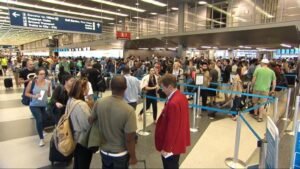
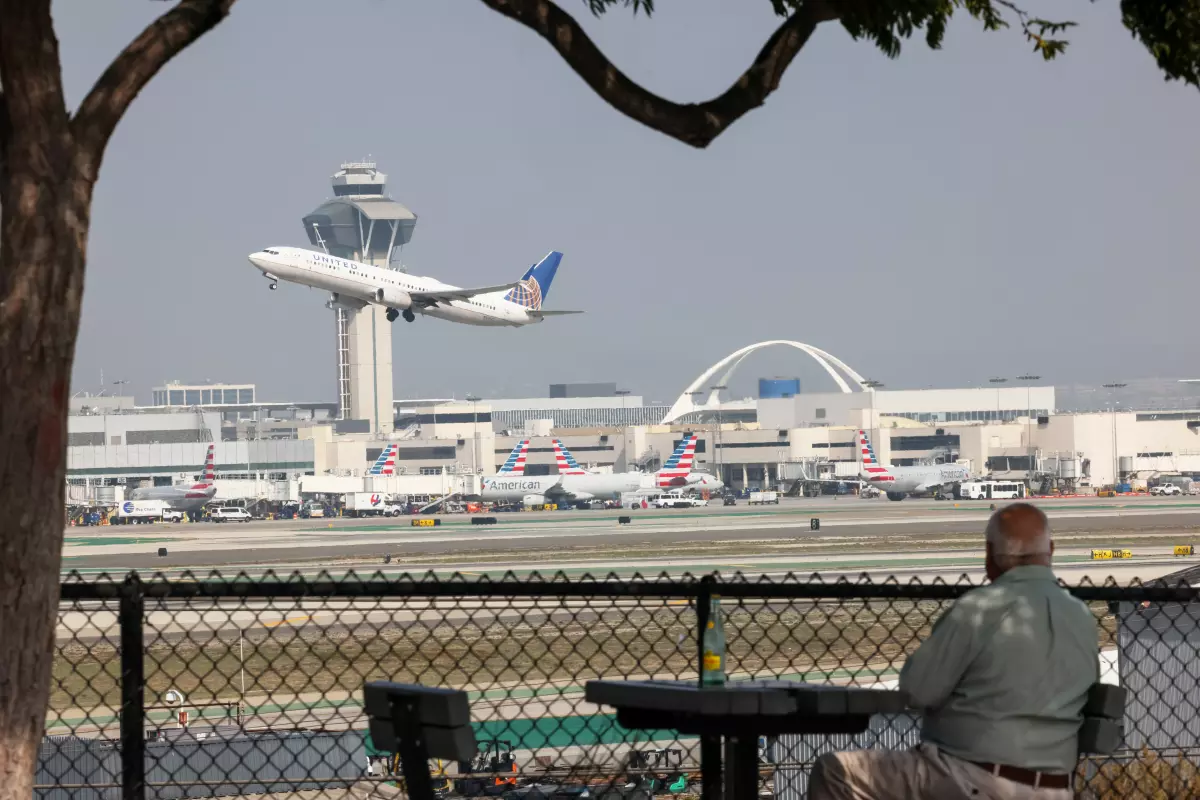
Los Angeles International Airport is one of the busiest airports in the world, and it is operating at near-maximum capacity. Recent reports indicate that LAX has been experiencing significant operational strain, with over 200 flights delayed on a single day due to a combination of factors .
The primary issues at LAX include:
-
Airspace congestion: LAX’s airspace is heavily crowded, with both domestic and international flights sharing limited capacity
-
Staffing shortages: The Federal Aviation Administration (FAA) has acknowledged ongoing shortages of air traffic controllers, which slows down departures and arrivals during peak hours
-
Spring break and peak travel surges: The period from March through August sees a dramatic increase in passenger volume, putting additional stress on the airport’s infrastructure
2. Weather-Related Disruptions
While Los Angeles is known for its sunny weather, the route to Tokyo crosses the volatile Pacific jet stream. Weather impacts can occur at multiple points:
-
LAX ground delays: Fog, low visibility, or rare rainstorms at LAX can trigger ground stops
-
En route weather: Severe turbulence or storms over the Pacific may require rerouting, adding flight time
-
Tokyo weather: Typhoon season (typically June through October) frequently causes cancellations and significant flight delays from LAX to Tokyo
3. Tokyo Airport-Specific Issues
Once your flight arrives in Japan, the journey is not necessarily over. Both Narita and Haneda airports have their own delay factors:
-
Narita’s distance: Located roughly 60 kilometers from central Tokyo, Narita is more vulnerable to ground transportation disruptions that can affect crew scheduling
-
Haneda’s congestion: As the busiest airport in Japan, Haneda operates with tight slot allocations; any delay ripples through the system
-
Immigration processing: During peak travel seasons, long queues at immigration can cause knock-on delays for return flights
Real-World Examples: Recent Disruption Events
To illustrate the reality of these delays, consider recent events. In March 2026, LAX experienced a major disruption event where 180 flights were delayed and 13 were canceled across multiple airlines, affecting routes to Tokyo, Dubai, New York, and San Francisco . Passengers reported being stranded for hours, with limited rebooking options as airlines struggled to manage the backlog.
Just one month later, in April 2026, the situation worsened. Data showed 216 flights delayed and 7 canceled at LAX, with Tokyo routes again among the affected destinations. Major carriers including United Airlines, American Airlines, and Delta Air Lines were all impacted .
These events demonstrate that flight delays from LAX to Tokyo are not rare anomalies—they are recurring challenges that travelers must plan for.
The Domino Effect: How a Small Delay Escalates
Understanding how a minor disruption spirals into a major problem can help you appreciate the importance of proactive planning.
-
The morning backup: A 30-minute delay on a morning flight from LAX pushes back the aircraft’s afternoon return leg to Tokyo
-
Crew timing out: If the delay extends too far, the flight crew may exceed their legally mandated duty hours, forcing a cancellation or a multi-hour wait for a replacement crew
-
Aircraft rotation: Airlines carefully schedule aircraft utilization. A plane delayed arriving in Tokyo cannot depart on time for its next destination, causing cascading delays from LAX to Tokyo and beyond
As one experienced traveler on Reddit noted, a tight connection of even 75 minutes at LAX is risky: “All it takes is a 20-minute delay on departure, landing on a distant runway, waiting 10 minutes for a gate, and 15 minutes to deplane—and you have missed your flight” .
Proactive Strategies: How to Beat LAX to Tokyo Delays
You cannot control the weather or air traffic control, but you can control your preparation. Here are actionable tips to minimize your risk.
1. Master Your Flight Selection
Not all flights are created equal. Data shows that the earliest departures from LAX have the best on-time performance.
-
Choose morning departures: Flights leaving LAX before 10:00 AM are statistically less likely to be delayed because the aircraft is already at the gate from the previous night
-
Avoid late afternoon and evening flights: These are when the day’s accumulated delays peak
-
Check historical on-time performance: Use tools like FlightStats or FlightAware to research your specific flight number before booking
2. Build in Buffer Time
If you are connecting to the LAX-Tokyo flight from another city, do not book a tight connection.
-
Recommended layover at LAX: Minimum 2.5 to 3 hours for a domestic-to-international connection
-
Why so long? You need time to potentially change terminals, go through security again, and account for any inbound delays from LAX to Tokyo that might affect your connecting flight
As one Reddit user wisely advised: “Even 2 hours is cutting it short” for an international connection at LAX .
3. Real-Time Tracking Tools
Do not rely solely on airport monitors. Use technology to stay ahead of disruptions.
-
FAA Website: Check for ground stops or air traffic control delays at LAX
-
Flight tracking apps: FlightAware, FlightStats, and the airline’s own app provide real-time updates
-
Set alerts: Enable push notifications for your flight number so you know about delays the moment they are announced
4. Understand Tokyo Airport Options
Your choice of destination airport in Tokyo can affect your overall travel experience.
| Airport | Distance to Tokyo | Best For | Delay Risk |
|---|---|---|---|
| Haneda (HND) | ~30 minutes via train | Quick access to central Tokyo, business travelers | Lower (closer to city, less weather exposure) |
| Narita (NRT) | ~60-90 minutes via train | Budget flights, some international connections | Higher (farther distance, weather vulnerable) |
While the airborne time is similar to both airports (approximately 11.5–12 hours), Haneda’s proximity means you spend less time on ground transportation after arrival .
How to Protect Yourself: Passenger Rights and Compensation
When flight delays from LAX to Tokyo occur, knowing your rights can save you money and stress.
U.S. Department of Transportation Rules
For flights departing from the United States, airlines are required to:
-
Provide timely updates: Airlines must notify passengers of delays within 30 minutes of becoming aware
-
Offer refunds for significant delays: You are entitled to a refund if you choose not to travel due to a “significant delay” (typically 3+ hours for international)
-
Rebook on partner airlines: Airlines must rebook you on their own flights or partner airlines at no additional cost
What Airlines Do NOT Cover
Airlines are not required to provide hotels or meal vouchers for delays caused by weather or air traffic control issues. However, many will offer these voluntarily as a courtesy. For delays caused by mechanical issues or crew shortages, you have stronger rights to compensation.
European-Style Compensation (EU261)
While this route does not fall under European regulations, some credit cards offer travel delay insurance that can reimburse you for meals, hotels, and transportation during extended delays from LAX to Tokyo. Check your credit card’s benefits before you travel.
Seasonal Patterns: When Is Your Risk Highest?
Understanding the calendar helps you predict potential disruptions.
| Season | Risk Level | Primary Causes |
|---|---|---|
| Winter (Dec-Feb) | Medium | Winter storms in the US, potential snow at LAX (rare but disruptive) |
| Spring (Mar-May) | High | Spring break travel surge, spring storms, peak congestion |
| Summer (Jun-Aug) | Very High | Typhoon season in Japan, afternoon thunderstorms, peak travel volume |
| Fall (Sep-Nov) | Medium-Low | Typhoon risk in early fall, but generally the most reliable period |
Practical Tips for a Smoother Journey
Beyond delay avoidance, here are practical insights to make your LAX to Tokyo flight more comfortable and less stressful.
Pre-Flight Preparation at LAX
-
Arrive early: For international flights, aim to arrive at LAX at least 3 hours before departure
-
Use TSA PreCheck or Global Entry: These programs save significant time at security and (for Global Entry) upon returning to the US
-
Know your terminal: LAX terminals are not connected airside for all transfers; verify your gate location in advance
Packing for Delay Scenarios
-
Essentials in carry-on: Always pack a change of clothes, medications, phone charger, and basic toiletries in your carry-on bag
-
Snacks and water: While airlines provide meals, a long tarmac delay can leave you hungry
-
Entertainment: Download movies, podcasts, and books before you arrive at the airport
Arriving in Tokyo
-
Pre-book airport transfer: Having a reserved bus or train ticket eliminates one more variable
-
Flexible hotel booking: Consider booking a hotel with 24-hour check-in or late arrival policies
-
Learn basic Japanese: While not necessary, knowing phrases like “Sumimasen” (excuse me) can help navigate unexpected situations
Conclusion: Turning Potential Chaos into a Manageable Journey
Flight delays from LAX to Tokyo are a reality of modern air travel on this busy trans-Pacific route. With recent data showing that nearly one in five flights experiences disruption and average delays exceeding 40 minutes when they occur, no traveler can afford to be complacent .
However, by understanding the root causes—from LAX congestion and air traffic control staffing to Tokyo’s typhoon season—you can make smarter choices. Book morning departures, build in generous layovers, track your flight with real-time apps, and always pack essentials in your carry-on. Whether you choose to fly into convenient Haneda or budget-friendly Narita, preparation is your best defense.
The Pacific is a big ocean, and the journey across it is an extraordinary feat of modern engineering. With the right mindset and the strategies outlined in this guide, you can ensure that flight delays from LAX to Tokyo remain an inconvenience you are prepared for, not a disaster that ruins your trip.
Safe travels, and enjoy the wonders of Tokyo.