Traveling through one of the nation’s busiest aviation hubs can be a test of patience. For millions of passengers each year, the phrase “delays in JFK” has become an all-too-familiar part of the journey. John F. Kennedy International Airport is a vital gateway to the world, but its age, weather exposure, and massive traffic volume make it susceptible to significant schedule disruptions.
If you are planning a trip through this New York landmark, understanding why these disruptions happen—and how to avoid them—can turn a stressful experience into a manageable one. In this guide, we will explore the causes of congestion, offer actionable tips to bypass the chaos, and explain how to stay informed using real-time data.
The Current Reality: How Often Do Delays Happen at JFK?
It is important to look at the hard data to understand the scale of the issue. Recent statistics indicate that approximately 25% of flights at JFK experience some form of disruption . While this percentage is comparable to other major Northeast airports, the sheer volume of traffic at JFK amplifies the impact.
Even a minor weather event hundreds of miles away can trigger a cascade of delays in jfk due to the “ripple effect” across the national airspace system. Furthermore, specific operational data from late 2025 showed that while the airport managed a steady growth in flights, only about 62.75% of flights departed exactly on time during certain months, highlighting a consistent struggle with punctuality .
Why Does JFK Experience So Many Disruptions?
To solve a problem, you must first understand its roots. Several unique factors make JFK particularly vulnerable to gridlock.
1. Weather Vulnerability and the “Bottleneck” Effect
New York’s weather is unpredictable. While JFK has advanced technology, it is highly sensitive to low visibility, ice, and snow. Because JFK handles such a high density of takeoffs and landings per hour, air traffic controllers are forced to increase the distance between planes during bad weather. According to reports from the FAA, this reduces the airport’s capacity by up to 50%, leading to immediate and cascading delays in jfk .
2. Construction and Infrastructure Upgrades
JFK is currently undergoing a massive, multi-billion dollar transformation. While this will modernize the airport for the future, it currently causes significant traffic disruptions on the tarmac and the roadways. Construction often restricts taxi lanes, leading to “gate hold” delays where planes are ready to go but have no path to the runway .
3. Staffing and Security Line Congestion
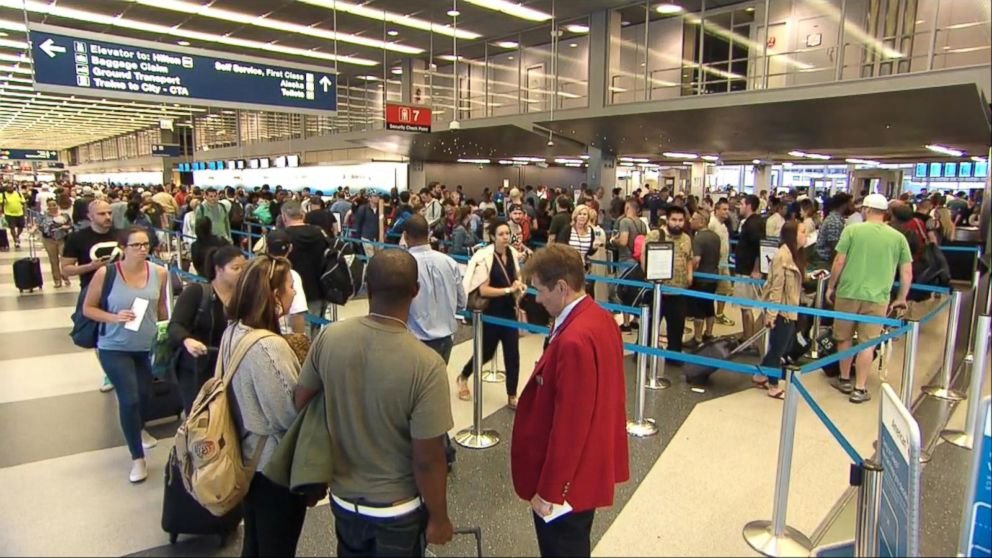
Security checkpoint wait times at JFK typically range from 15 to 45 minutes, but during peak travel seasons or unexpected staff shortages, these lines can balloon to over an hour . While TSA has implemented measures to manage flow, the sheer volume of international travelers—who often have complicated documentation or larger amounts of luggage—slows down processing times compared to domestic airports .
The Domino Effect: When One Delay Spirals Out of Control
Understanding how a single delay multiplies is key to managing your expectations. JFK operates near maximum capacity during peak hours.
-
The Morning Rush: Early morning delays (often caused by overnight storms or crew rest requirements) push back every subsequent flight.
-
Crew Timing Out: If a flight is delayed too long, the crew may exceed their legally mandated working hours. This forces the airline to find a new crew, causing a cancellation or an even longer delay.
-
Aircraft Misplacement: JFK is a hub for Delta, JetBlue, and American Airlines. If a plane coming from Boston is delayed landing at JFK, that plane cannot fly to Los Angeles, causing delays in jfk that impact destinations across the country .
Proactive Strategies: How to Beat the JFK Delay Game
You cannot control the weather, but you can control your preparation. Here are actionable tips to minimize the risk of missing your connection or sitting on the tarmac for hours.
1. Master the Art of Flight Selection
Not all flights are created equal. Statistically, the first flight of the morning is the least likely to be canceled. The plane is usually already at the gate from the night before, and the crew is fresh.
-
Avoid Peak Rush Hours: Try to avoid flights scheduled between 5:00 PM and 8:00 PM. This is when afternoon thunderstorms hit and the day’s earlier delays have compounded into a massive logjam.
-
Look at On-Time Performance: When booking, check the historical on-time performance for that specific flight number using apps like FlightAware.
2. Real-Time Tools and Apps
Do not rely on the airport’s monitors alone. Use technology to your advantage.
-
FAA Website: The FAA’s official status page for JFK provides the most authoritative look at current taxi times. You can see if there are “gate hold” or “ground stop” orders in effect .
-
Security Wait Time Apps: Use apps like the Airport Security Wait Time App to check which terminal has the shortest line . If you have a choice of parking or drop-off points, this data is invaluable.
3. Get “Trusted Traveler” Status
One of the most effective ways to avoid missing a flight during a delay is to shave time off the front end.
-
TSA PreCheck: This allows you to use expedited lanes, keeping shoes and laptops in your bag. During high-traffic days, PreCheck lines can be 70% faster than standard lanes .
-
Global Entry: For international arrivals, this saves you from the notorious immigration queues that often cause passengers to miss connecting delays in jfk related onward flights.
4. Build in Buffer Time
If you are connecting through JFK, do not book a “tight” connection (60 minutes or less).
-
Domestic to Domestic: Aim for a 2-hour layover.
-
Domestic to International: Aim for a 3-hour layover.
Given the high probability of delays in jfk, especially in the afternoon, a longer layover is a safety net rather than an inconvenience.
The Passenger’s Bill of Rights: What Airlines Owe You
When a delay strikes, knowing your rights can save you money. There is a distinct difference between “controllable” delays and “uncontrollable” delays (weather).
-
Controllable Delays (Mechanical, Crew): If these cause a significant delay (usually 3+ hours for domestic or 6+ for international), the airline is required to provide meal vouchers, rebook you for free on the next available flight (including competitor flights), and potentially offer hotel accommodations.
-
Weather Delays: Airlines are not financially liable for hotels or meals during weather-related delays in jfk . However, they are still required to rebook you for free if you choose not to fly or if the cancellation is significant.
Pro Tip: The “Hold” Line
If your flight is canceled and the line at the customer service desk is 200 people long, do not wait in it. Get on your phone. Simultaneously call the airline’s international help desk (the one based in Europe or Asia) while you stand in line. The phone agents are often faster and can rebook your seat before the desk agent even gets to the person in front of you.
Seasonal Patterns: When is JFK Most at Risk?
Understanding the calendar can help you predict trouble.
| Season | Risk Level | Primary Cause of Delays |
|---|---|---|
| Winter (Dec-Feb) | High | Snowstorms, de-icing queues, and freezing fog. Major events like the one in February 2026 saw over 1,090 flight cancellations . |
| Spring (Mar-May) | Medium | Strong winds and nor’easters. While less snow, wind can shut down specific runways. |
| Summer (Jun-Aug) | Critical | Thunderstorms. Afternoon storms cause “ground stops” where no planes take off or land for hours. |
| Fall (Sep-Nov) | Low | Generally the best time to fly, though hurricane season can occasionally ripple up the coast. |
Navigating the Terminals: Specific Insights
JFK is a massive airport with distinct terminals. The experience varies drastically depending on which airline you fly.
-
Terminal 4 (Delta/International): This is the busiest terminal. Security lines can be the longest, but it also has the most amenities. Expect delays in jfk here during customs clearance in the evening.
-
Terminal 5 (JetBlue): Usually efficient but packed. JetBlue is known for slightly better on-time performance, but when weather hits, the volume of flights here backs up quickly.
-
Terminal 7 & 8 (Oneworld Alliance – AA/British Airways): These are modernized but susceptible to international customs backlogs.
Conclusion: Turning Turbulence into a Smooth Ride
While statistics show that delays in jfk are a frequent reality—impacting nearly a quarter of all passengers—you do not have to be a victim of the chaos. By flying early in the morning, signing up for TSA PreCheck, and using real-time apps like the FAA status checker, you can drastically reduce your risk.
Ultimately, preparation is your best defense. Expect the unexpected, pack your patience and a spare phone charger in your carry-on, and know your rebooking options before you step foot in the terminal. JFK is a world-class airport moving millions of lives; with the right strategy, you can ensure your journey is not derailed by the inevitable congestion.