BTC
BTC
 ETH
ETH
 USDT
USDT
 BNB
BNB
 XRP
XRP
 USDC
USDC
 SOL
SOL
 TRX
TRX
 DOGE
DOGE
 ADA
ADA
 AVAX
AVAX
 GRAM
GRAM

Introduction
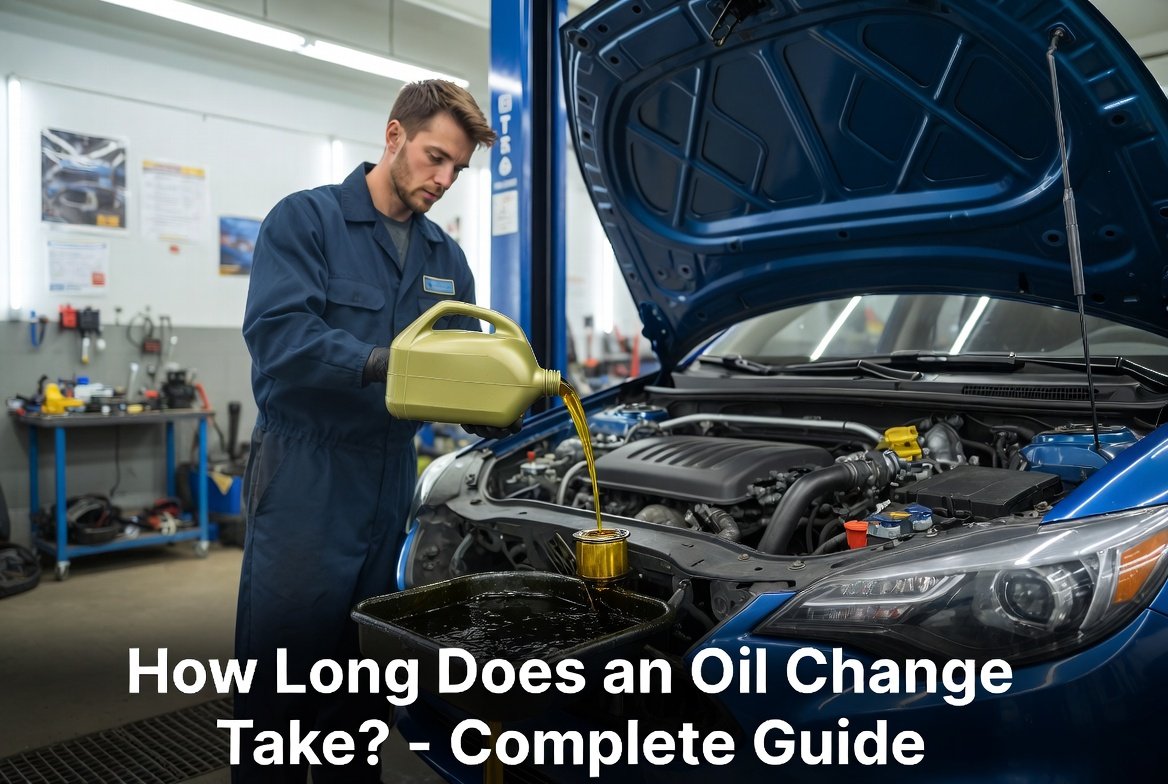
Regular vehicle maintenance keeps engines healthy and extends their lifespan. One of the most common questions car owners ask is how long does an oil change take. The answer depends on several factors, including whether you visit a professional service center or handle it yourself at home. In most cases, a professional oil change takes between 15 and 45 minutes, while a do-it-yourself approach may require 30 to 60 minutes or more. This guide explores every aspect of the process, from timing and techniques to benefits and best practices, helping you make informed decisions for your vehicle’s care.
Why Regular Oil Changes Are Essential for Vehicle Performance
Engine oil lubricates moving parts, reduces friction, removes contaminants, and helps regulate temperature. Over time, oil breaks down due to heat, moisture, and debris, losing its ability to protect the engine effectively. Skipping or delaying changes can lead to increased wear, reduced fuel efficiency, and costly repairs.
Modern vehicles often follow manufacturer-recommended intervals of 5,000 to 10,000 miles, depending on driving conditions and oil type. Urban stop-and-go traffic or extreme temperatures may require more frequent attention. Understanding these needs ensures your car stays reliable for years.
 Also readI Tested 20 Free and Paid Video Editing Tools in 2026 — Here’s Which One Actually Fits You
Typical Duration of Professional Oil Changes
Professional services offer convenience and speed. Quick-lube centers specialize in fast turnarounds, while dealerships and full-service shops provide more thorough inspections.
Quick-Lube and Express Service Centers
Express oil change facilities design their operations for efficiency. Technicians work in dedicated bays with specialized tools and trained teams. A standard quick oil change usually takes 10 to 20 minutes from the moment the vehicle enters the bay. Many national chains complete the core service—draining old oil, replacing the filter, and adding fresh oil—in 15 minutes or less.
These shops handle high volumes daily, so wait times can vary based on customer traffic. Arriving during off-peak hours often means minimal delay. Additional checks like fluid levels, tire pressure, or basic inspections may add a few minutes but remain part of the standard package.
Dealerships and Traditional Auto Repair Shops
Dealerships and full-service centers take a more comprehensive approach. They perform a multi-point inspection alongside the oil change, including checks on brakes, belts, hoses, and fluid levels. As a result, the entire visit typically lasts 30 to 60 minutes.
Paperwork, parts ordering (if needed), and quality control steps extend the timeline slightly compared to express services. However, this thoroughness provides peace of mind, especially for newer or leased vehicles where warranty requirements apply. Many owners schedule appointments in advance to reduce waiting.
DIY Oil Change: Time Requirements and Considerations
For those who enjoy hands-on maintenance, performing an oil change at home offers control over products and timing. How long does an oil change take when done yourself? Most first-timers spend 45 to 60 minutes, while experienced individuals complete the task in 30 minutes or less.
Setup, safety precautions, and cleanup add time. You need space, tools, and proper disposal methods for used oil. The process becomes faster with practice and the right equipment, such as ramps or a lift.
Step-by-Step Guide to a Successful DIY Oil Change
Follow these detailed steps for a safe and effective oil change at home. Always consult your owner’s manual for specific recommendations on oil type, capacity, and filter size.
- Gather Supplies and Prepare the Workspace Collect the correct amount and grade of motor oil, a new oil filter, a drain plug washer (if required), basic tools (wrench, funnel, rags), a drain pan, and safety gear. Park on a level surface and let the engine cool for at least 30 minutes to avoid burns.
- Lift the Vehicle Safely Use approved jack stands or drive-up ramps. Never rely on a jack alone. Secure the wheels with chocks for stability. This step takes 5 to 10 minutes but ensures safe access to the undercarriage.
- Drain the Old Oil Locate the drain plug under the oil pan. Position the drain pan and remove the plug. Allow the oil to drain completely—usually 5 to 10 minutes. While draining, inspect the plug and washer for damage.
- Replace the Oil Filter Use a filter wrench to remove the old filter. Apply a thin layer of new oil to the gasket of the replacement filter before installing it by hand. Tighten according to manufacturer specifications. This step takes 3 to 5 minutes.
- Reinstall the Drain Plug and Refill with Fresh Oil Secure the drain plug with the proper torque. Add the recommended volume of new oil through the filler cap. Replace the cap and start the engine briefly to circulate oil. Check for leaks and verify the level on the dipstick.
- Cleanup and Disposal Wipe up any spills and properly recycle the used oil at a certified center. Many auto parts stores accept it free of charge. This final step prevents environmental harm and takes 5 to 10 minutes.
With experience, the entire DIY process becomes streamlined. Many enthusiasts complete routine changes in under 40 minutes once they establish an efficient routine.
Key Factors That Influence Oil Change Duration
Several variables affect how quickly the service finishes.
Vehicle Type and Design
Compact cars with easy-to-reach components allow faster changes. Larger trucks, SUVs, or vehicles with complex underbody shielding may require extra time for access. Some models place the oil filter in awkward locations, adding minutes to professional or DIY jobs.
Type of Motor Oil
Conventional oil changes proceed quickly because the fluid flows easily. Synthetic or high-mileage blends may have slightly different draining characteristics, but the difference is minimal—usually just a couple of minutes. The real impact appears in change intervals: synthetics often last longer, reducing overall frequency.
Additional Services and Shop Workload
Many facilities bundle tire rotations, fluid top-offs, or air filter checks. These extras extend the visit but provide comprehensive care. Busy periods at popular shops can also increase wait times before service begins.
Your Experience Level (for DIY)
Beginners spend extra time reading instructions and double-checking steps. Seasoned home mechanics work faster thanks to familiar tools and organized workspaces.
The History and Evolution of Oil Changes
Early automobiles required frequent oil changes—sometimes every 500 to 1,000 miles—because early lubricants degraded rapidly. The introduction of multi-grade oils in the mid-20th century improved performance across temperature ranges. Synthetic oils, first widely used during World War II for military applications, later entered consumer vehicles in the 1970s.
Today’s advanced formulations and engine designs allow intervals of 10,000 miles or more in many modern cars. These developments reflect ongoing improvements in chemistry and engineering that benefit drivers worldwide.
Understanding Different Types of Motor Oil
Motor oil comes in several varieties, each suited to specific needs.
- Conventional Oil: Refined from crude petroleum, it works well for standard driving conditions and older engines. Changes occur more frequently.
- Synthetic Oil: Engineered for superior protection, it resists breakdown at high temperatures and flows better in cold weather. Many manufacturers recommend it for extended intervals.
- Synthetic Blend: A cost-effective mix offering some benefits of full synthetic at a lower price.
- High-Mileage Oil: Formulated with seal conditioners for vehicles with over 75,000 miles, it helps reduce leaks and maintain engine performance.
Choosing the right oil ensures optimal lubrication and can indirectly influence how often you need to schedule service.
Benefits of Timely Oil Changes
Fresh oil maintains engine efficiency, improves fuel economy, reduces emissions, and prevents sludge buildup. Drivers often notice smoother operation, quieter performance, and better acceleration after a change. Long-term, consistent maintenance lowers the risk of major repairs and preserves resale value.
Common Mistakes to Avoid
Rushing the process without proper safety measures can lead to accidents or damage. Over-tightening filters or plugs causes leaks, while under-filling oil harms the engine. Always use the manufacturer-specified viscosity and dispose of old oil responsibly. Skipping the dipstick check after refilling is another frequent error.
Oil Changes in the Age of Electric and Hybrid Vehicles
Electric vehicles eliminate traditional oil changes since they lack internal combustion engines. Hybrids still require periodic service for their gasoline components, though intervals may differ. As the automotive industry shifts toward electrification, understanding these differences helps owners plan maintenance accordingly.
For those exploring business opportunities in the automotive sector, consider resources like The Ultimate Guide to Buying a Car Washing Machine for Business in 2026 for complementary service ideas. Similarly, How to Open a Taxi Business: Your 2026 Roadmap to Success offers insights into fleet maintenance strategies, while Service Tire Monitor System GMC Meaning and How to Fix the Warning Light highlights related vehicle care topics.
Practical Tips to Speed Up Your Next Oil Change
- Schedule appointments during quieter times.
- Keep a maintenance log to anticipate needs.
- Invest in quality tools for DIY efficiency.
- Choose quick-lube centers for routine visits.
- Stock up on approved supplies in advance.
Frequently Asked Questions
How long does an oil change take at a quick-lube shop? Most complete the service in 15 minutes or less when no additional work is required.
Is it worth doing an oil change yourself? DIY saves money and offers satisfaction for mechanically inclined owners, but professionals provide speed and convenience.
What is the best source for detailed motor oil information? For a comprehensive overview, refer to the Motor oil entry on Wikipedia, which covers technical specifications and history.
How often should I change my oil? Follow your vehicle’s manual—typically every 5,000 to 10,000 miles depending on conditions and oil type.
Conclusion
Knowing how long does an oil change take empowers you to maintain your vehicle effectively without unnecessary downtime. Whether you prefer professional service for speed or DIY for hands-on control, regular oil changes remain one of the simplest ways to protect your investment. By understanding the process, factors involved, and best practices, you can enjoy reliable performance and peace of mind on every journey. Stay proactive with maintenance, and your car will reward you with years of dependable service.