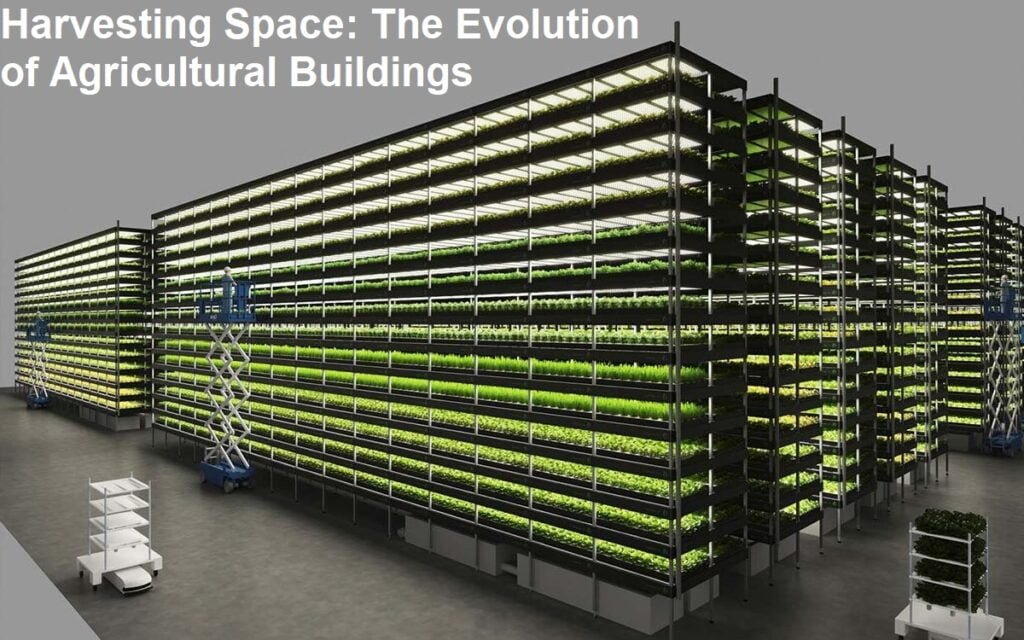
Farm buildings have come a long way in the evolution of farming practices. From simple barns to sophisticated structures, these buildings have played a vital role in supporting agricultural activities and maximizing productivity. Over the years, advancements in technology, materials, and design have transformed agricultural buildings into efficient and multifunctional spaces. In this article, you will delve into the evolution of these buildings, the benefits they offer, and how they continue to shape the future of farming.
1. Traditional Barns:
Traditional barns have been the cornerstone of farm buildings for centuries. These structures were primarily used for storing harvested crops, sheltering livestock, and protecting equipment. Constructed with wood and other natural materials, traditional barns were functional but often lacked the modern amenities and efficiency of contemporary buildings.
2. Modern Farm Buildings:
With the advancement of technology and the need for increased efficiency, modern buildings have undergone significant transformations. The introduction of steel and other durable materials has revolutionized the construction of these buildings, offering enhanced strength, longevity, and versatility. These buildings are designed to meet the specific needs of farmers, providing ample storage space, controlled environments, and streamlined workflows.
3. Multifunctional Spaces:
One notable trend in the evolution of agricultural buildings is their increased functionality. Today, they serve multiple purposes beyond traditional storage and livestock shelter. They are designed to accommodate machinery storage, processing facilities, workshops, offices, and even retail spaces. This versatility allows farmers to optimize their operations by consolidating different activities under one roof, improving efficiency and profitability.
4. Controlled Environments:
In recent years, the demand for controlled environments in agriculture has grown significantly. They now incorporate advanced systems for temperature regulation, ventilation, and humidity control. This enables farmers to create optimal conditions for plant growth, crop storage, and livestock management. Controlled environments also help protect crops and livestock from adverse weather conditions, pests, and diseases, leading to higher yields and better quality produce.
5. Sustainable Design:
Sustainability is a key consideration in modern farm buildings. With growing concerns about the environment, farmers are increasingly adopting eco-friendly practices. They are designed to incorporate energy-efficient features such as solar panels, rainwater harvesting systems, and natural lighting. Additionally, sustainable construction materials and techniques are employed to minimize environmental impact. By integrating sustainable design principles, these buildings contribute to the overall sustainability of farming operations.
6. Technological Integration:
The integration of technology has had a profound impact on these buildings. Automation, sensors, and data analytics are now commonly used to monitor and manage various aspects of farming operations. They are equipped with advanced systems that provide real-time information on temperature, humidity, air quality, and livestock health. This data-driven approach allows farmers to make informed decisions, optimize resource allocation, and maximize productivity.
Conclusion
The evolution of agricultural buildings has revolutionized farming practices, providing farmers with efficient, versatile, and sustainable spaces. From traditional barns to modern, multifunctional structures, these buildings have adapted to the changing needs of agriculture. They offer controlled environments, integrate technology, and prioritize sustainability. They are crucial in maximizing productivity, protecting crops and livestock, and optimizing resource utilization. As farming continues to evolve, so will these buildings, embracing innovations and technologies to meet the challenges and opportunities of the future.