If They Knew, They Wouldn’t Be Recording: Meta’s Ray-Ban Smart Glasses Trigger A Major Privacy Lawsuit

 Business
 Meta’s Ray-Ban Smart Glasses Trigger A Major Privacy Lawsuit
The Privacy Lawsuit That Shook the Tech World
A shocking reality has emerged from the shadows of artificial intelligence development. “If They Knew, They Wouldn’t Be Recording”: Meta’s Ray-Ban Smart Glasses Trigger A Major Privacy Lawsuit that exposes how user footage ends up in the hands of overseas contractors. The lawsuit, filed in March 2026 in San Francisco federal court, alleges that Meta deceived millions of consumers about the true nature of their smart glasses’ privacy features .
Two plaintiffs, Gina Bartone of New Jersey and Mateo Canu of California, represent a nationwide class action against Meta and its manufacturing partner Luxottica of America . They claim they relied on Meta’s marketing promises like “designed for privacy, controlled by you” when purchasing the glasses. Had they known the truth, they never would have bought the product.
The legal action follows a bombshell investigation by Swedish newspapers Svenska Dagbladet and Göteborgs-Posten. Their reporters uncovered that Meta sends footage from Ray-Ban smart glasses to contractors in Nairobi, Kenya, who manually review and label the content to train the company’s AI models .
How Meta’s Smart Glasses Became a Surveillance Concern
The Technology Behind the Controversy
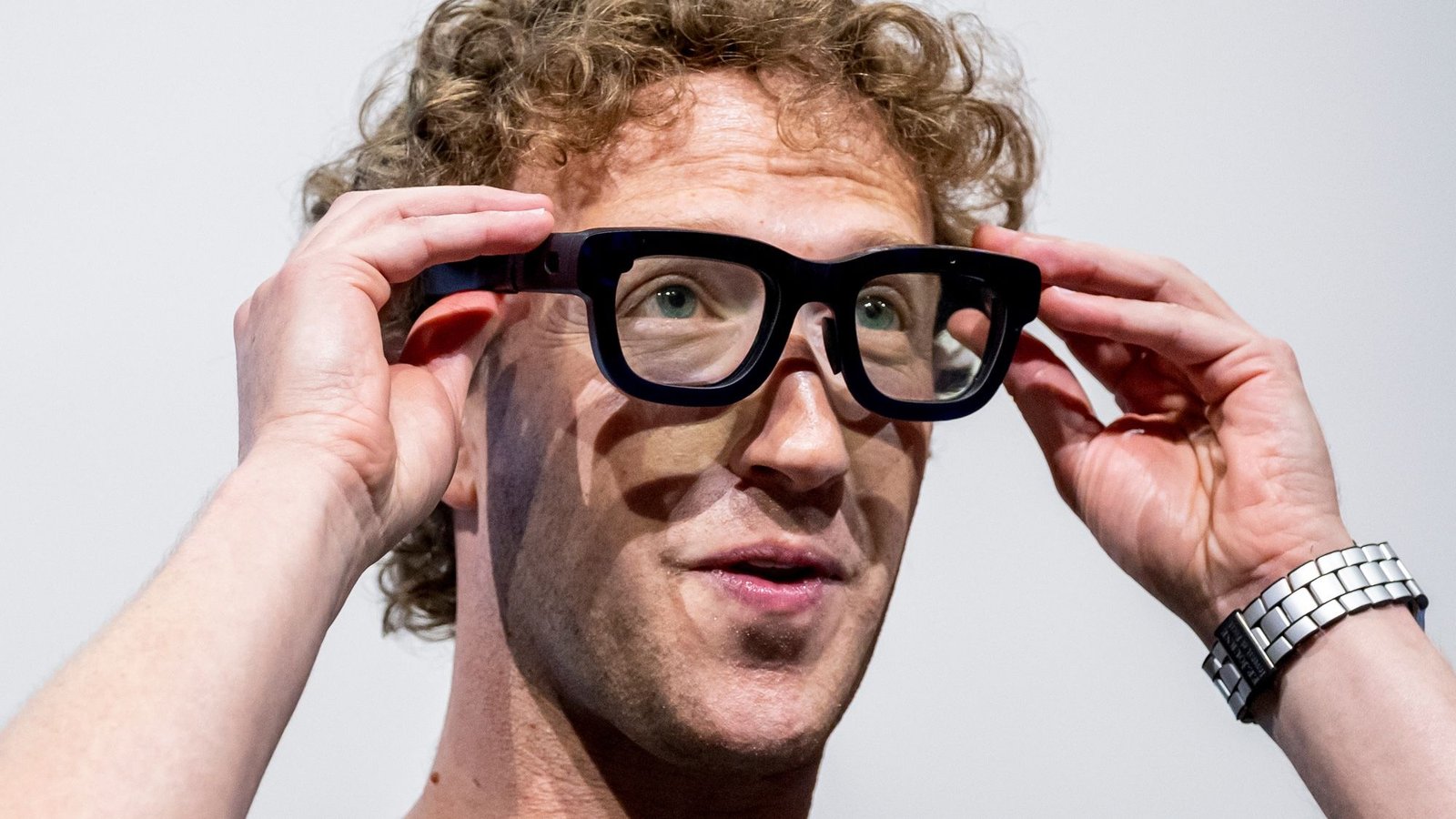
Meta’s Ray-Ban smart glasses look like ordinary eyewear but pack powerful technology. They feature built-in cameras, microphones, and AI assistants that can answer questions about what the wearer sees. The glasses respond to voice commands and capture photos and video hands-free .
Sales figures reveal their massive popularity. In 2025 alone, customers purchased over seven million units of Meta’s AI-powered glasses . That represents more than triple the combined sales of 2023 and 2024 .
The Privacy Light Debate
Meta installed a small LED light on the glasses that activates during recording. The company positions this as a privacy feature that alerts people nearby. However, critics argue this light is often hard to notice, especially outdoors, in bright sunlight, or crowded spaces .
The design creates a fundamental problem. People being recorded may not realize it, and as the lawsuit suggests, even wearers don’t fully understand where their footage ultimately travels.
The Kenya Connection: What Contractors Actually See
Inside the Data Annotation Pipeline
The investigation revealed that Meta contracts with Kenya-based company Sama to employ data annotators. These workers review footage captured by Ray-Ban Meta smart glasses to help improve AI responses . Their job involves labeling objects, verifying AI answers, and ensuring the system learns correctly.
But the content they must watch tells a disturbing story about user awareness.
“If They Knew, They Wouldn’t Be Recording”
One anonymous contractor’s statement became the rallying cry for this lawsuit: “If They Knew, They Wouldn’t Be Recording”: Meta’s Ray-Ban Smart Glasses Trigger A Major Privacy Lawsuit precisely because of what these workers witness daily.
Contractors described viewing extremely private moments. One worker reported seeing a man place the glasses on a bedside table and leave the room. Shortly after, his wife entered and changed clothes, completely unaware the device was still transmitting . Another described watching footage of people using bathrooms, engaging in sexual activity, and entering or exiting showers .
“We see everything, from living rooms to naked bodies. Meta has that type of content in its databases,” one anonymous employee told investigators .
Financial Data Exposed
Beyond intimate moments, contractors reported viewing clear images of credit cards and banking information. Users apparently recorded themselves entering financial details or making purchases without understanding that human eyes across the world would see those numbers .
The Blurring Failure
Meta claims it blurs faces in images before sending them to contractors. However, workers dispute this. They report that the blurring technology “does not always work as intended,” leaving many faces clearly visible during review . This failure undermines Meta’s promise of anonymized data processing.
The Lawsuit’s Core Allegations
False Advertising Claims
The lawsuit centers on deceptive marketing practices. Meta advertised the glasses using phrases like “built for your privacy” and “an added layer of security” . Plaintiffs argue these statements created false expectations.
“No reasonable consumer would understand ‘designed for privacy, controlled by you’ to mean that deeply personal footage from inside their homes would be viewed and catalogued by human workers overseas,” the lawsuit states .
The Disclosure Gap
While Meta’s privacy policies buried in terms of service mention possible human review, plaintiffs argue this isn’t enough. They contend that the company’s prominent advertising claims created a duty to disclose the full truth prominently .
Who Is Affected
The class action potentially includes anyone who purchased Meta’s AI glasses and relied on the company’s privacy representations. Given the seven million units sold in 2025 alone, this could become one of the largest privacy-related class actions in recent years .
Meta’s Response: What the Company Says
Official Statements
Meta spokesperson Christopher Sgro provided this response: “Ray-Ban Meta glasses help you use AI, hands-free, to answer questions about the world around you. Unless users choose to share media they’ve captured with Meta or others, that media stays on the user’s device” .
The company acknowledges using contractors for content review. “When people share content with Meta AI, we sometimes use contractors to review this data for the purpose of improving people’s experience, as many other companies do. We take steps to filter this data to protect people’s privacy” .
The Policy Fine Print
Meta points to its terms of service, which state: “In some cases, Meta will review your interactions with AIs, including the content of your conversations with or messages to AIs, and this review may be automated or manual (human)” .
The company also warns users not to share “information that you don’t want the AIs to use and retain, such as information about sensitive topics” .
Critics Respond to Meta’s Defense
Privacy advocates argue that burying these disclosures in lengthy legal documents doesn’t constitute meaningful consent. Most consumers never read complete terms of service, and the marketing materials created entirely different expectations.
The Regulatory Response
UK Investigation Opens
The Information Commissioner’s Office (ICO), the United Kingdom’s data protection authority, has launched an investigation into Meta’s practices. Officials have written to the company expressing “serious concerns” about the revelations .
US Legal Framework
The lawsuit invokes California consumer protection laws, which have some of the strongest privacy provisions in the United States. California’s Consumer Privacy Act (CCPA) gives residents specific rights over their data, though the case focuses primarily on false advertising claims .
Broader Compliance Questions
Legal experts note that AI glasses create complex compliance challenges under multiple frameworks. These include Illinois’ Biometric Information Privacy Act (BIPA), which provides for damages of $1,000 to $5,000 per violation, and the EU’s General Data Protection Regulation (GDPR), which requires transparent data processing .
Understanding the Risks: Why Privacy Matters
The Biometric Data Danger
AI glasses don’t just capture video. They record voice patterns that can create voiceprints, potentially constituting biometric data. They capture faces, movements, and behaviors that sophisticated systems can analyze .
When this data flows to contractors without adequate protection, the risks multiply. Identity theft, stalking, extortion, and reputational harm become real possibilities .
The Chilling Effect
Legal experts warn about broader societal impacts. Professor Nikolas Guggenberger of the University of Houston Law Center noted: “It turns every single social interaction we have into a potential meme-ifyable moment. I don’t just mean going viral on social media, I mean the general chilling effect that happens when we are being recorded” .
Workplace Surveillance Concerns
Business owners and employees face additional risks. Smart glasses in workplace settings could create liability for unlawful surveillance. Recording phone calls with parties in different states might trigger federal wiretapping laws. Capturing trade secrets could expose companies to intellectual property claims .
What This Means for Smart Glass Users
How to Protect Your Privacy
If you own Meta’s Ray-Ban smart glasses or similar devices, consider these steps:
- Review your settings: Check whether cloud processing is enabled. This determines whether your footage leaves your device .
- Understand AI interactions: When you use Meta AI features, you may be sharing content for review. Know when the AI is active .
- Assume recording is visible: Treat the glasses as potentially transmitting whenever the AI feature is on .
- Create privacy zones: Avoid using the glasses in bathrooms, bedrooms, or areas where others expect privacy .
- Check for updates: Monitor Meta’s privacy policy changes, as they modify terms periodically .
What Potential Buyers Should Consider
Before purchasing AI glasses, research the privacy implications thoroughly. Read the actual privacy policies, not just marketing materials. Consider whether you’re comfortable with possible human review of your footage. Understand that “If They Knew, They Wouldn’t Be Recording”: Meta’s Ray-Ban Smart Glasses Trigger A Major Privacy Lawsuit highlights exactly what consumers didn’t know.
The Bigger Picture: AI Training and Privacy
The Data Economy Reality
Meta’s practices reflect a broader industry trend. Many AI companies use human reviewers to improve their models. Amazon, Google, and others have faced similar scrutiny over voice assistant recordings .
The difference with smart glasses lies in the intimacy of the data. Cameras capture far more sensitive information than microphones alone.
The Consent Problem
Meaningful consent requires understanding. When users agree to “improve products” or “train AI,” do they envision human contractors watching their private moments? The lawsuit argues they do not.
Future Implications
As Meta reportedly develops facial recognition features for its glasses, the privacy stakes grow even higher. The Electronic Privacy Information Center called such plans “a grave risk to privacy, safety, and civil liberties” .
The Legal Road Ahead
What the Lawsuit Seeks
Plaintiffs demand compensatory and punitive damages, though amounts remain unspecified. They also seek injunctive relief requiring Meta to change business practices and provide truthful disclosures .
Potential Outcomes
If the class action succeeds, Meta could face significant financial penalties. Given the millions of devices sold and the serious nature of the allegations, settlement or judgment amounts could reach substantial figures.
Precedent Cases
This lawsuit follows other major privacy settlements. In 2025, Clearview AI agreed to a $51.75 million settlement over biometric data collection . Meta itself paid $1.4 billion to Texas in 2024 for storing facial images without consent .
Protecting Yourself in the Smart Glass Era
Practical Tips for Everyone
Whether you own smart glasses or simply interact with people who might wear them, these strategies help protect your privacy:
- Look for recording indicators: Check for lights or signs that recording may be active
- Ask directly: Don’t hesitate to ask if someone’s glasses are recording
- Create device-free zones: Establish areas where smart glasses aren’t permitted
- Stay informed: Follow privacy news to understand evolving risks
For Businesses and Organizations
Companies should develop clear policies about smart glass use on premises. Consider:
- Posting notices if recording devices may be present
- Training employees about appropriate device use
- Consulting legal counsel about workplace surveillance laws
- Implementing technical controls like geofencing to disable recording in sensitive areas
Conclusion: The Transparency Imperative
The lawsuit against Meta represents a pivotal moment for consumer technology. “If They Knew, They Wouldn’t Be Recording”: Meta’s Ray-Ban Smart Glasses Trigger A Major Privacy Lawsuit that forces difficult questions about how companies develop artificial intelligence.
At its heart, this case asks whether consumers deserve to know the full truth about their devices. When marketing promises “privacy by design” but intimate moments travel to human reviewers halfway across the world, the gap between expectation and reality becomes unacceptably wide.
The seven million people who bought Meta’s glasses in 2025 trusted the company’s claims. That trust, allegedly betrayed, now forms the basis for legal action that could reshape how tech companies disclose AI training practices.
As this case progresses through the courts, one question remains for every consumer: Do you really know what your smart devices are recording, and who might be watching?
Frequently Asked Questions
What exactly triggered this lawsuit against Meta?
The lawsuit followed investigative reports revealing that Meta sends footage from Ray-Ban smart glasses to contractors in Kenya who manually review intimate user content, contradicting privacy-focused marketing claims .
How many people bought Meta’s smart glasses?
Customers purchased over seven million units in 2025 alone, making them one of the most popular AI wearable devices on the market .
Does Meta blur faces in the footage?
Meta claims it blurs faces, but contractors report the blurring technology doesn’t always work, leaving many faces clearly visible during review .
Can I opt out of having my footage reviewed?
Using AI features generally involves data sharing for improvement purposes. Check your device settings and review Meta’s privacy policies to understand your options .
What laws might Meta have violated?
The lawsuit alleges violations of California consumer protection laws. Broader legal concerns include potential breaches of biometric privacy laws like Illinois’ BIPA and the EU’s GDPR .
Is Meta the only company doing this?
Many AI companies use human reviewers to improve their models. However, the intimate nature of smart glass footage raises unique concerns compared to voice assistants or other data sources .
References
- Sohu. (2026, March 5). AI glasses recording content viewed and tagged by employees? Meta sued by consumers for privacy breach.
- Workplace Privacy Report. (2025, December 10). The hidden legal minefield: Compliance concerns with AI smart glasses, Part 1 – Biometrics.
- The Indian Express. (2026, March 9). Meta’s AI glasses face privacy lawsuit over human review of user footage: 5 things to know.
- Digital Watch Observatory. (2026, February 28). AI smart glasses raise new privacy and safeguarding concerns.
- Engadget. (2026, March 4). Meta hit with a class action lawsuit over smart glasses’ privacy claims.
- TechCrunch. (2026, March 5). Meta sued over AI smart glasses’ privacy concerns, after workers reviewed nudity, sex, and other footage.
- iThome. (2026, March 9). Meta exposed for secretly recording private footage with AI glasses, triggering lawsuits and government concern.
- eWEEK. (2025, September 4). These AI smart glasses are always recording: Experts weigh in on risks & benefits.
- The Verge. (2026, March 4). Meta’s AI glasses reportedly send sensitive footage to human reviewers in Kenya.
- Ars Technica. (2026, March 4). Workers report watching Ray-Ban Meta-shot footage of people using the bathroom.
For more technology news and privacy updates, visit Business To Mark. Learn about safe software installation practices and discover the best free PC optimization tools to protect your digital life.
SEO Tags: Meta privacy lawsuit, Ray-Ban smart glasses controversy, AI glasses privacy concerns, Meta class action 2026, smart glasses data surveillance


