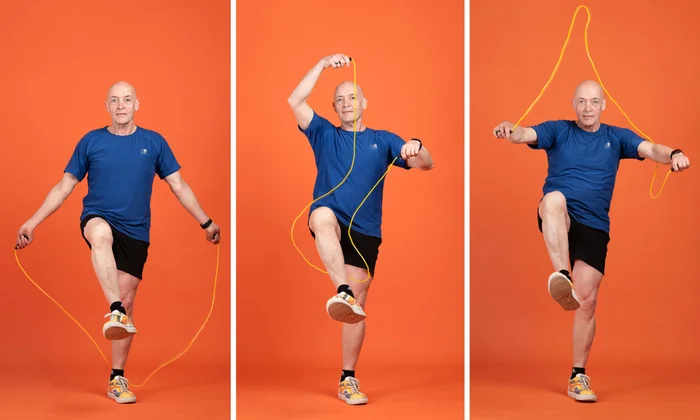
The preservation of skeletal integrity is a primary concern for aging adults, particularly as the risk of osteoporosis increases. For decades, the standard approach to managing thinning bones relied almost exclusively on pharmaceutical interventions and calcium supplementation. However, modern sports science has shifted the conversation toward the physiological potential of the human body to adapt to physical stress. As more people seek ways to maintain their independence and structural health, the question of whether exercise can truly influence bone density has become a central topic in geriatric wellness.
Scientific research into bone remodeling and exercise has revealed that the skeletal system is not a static frame but a dynamic organ that responds to mechanical loading. While aging naturally leads to a gradual decline in mineral density, the body retains the ability to repair and reinforce bone tissue when prompted by the correct external stimuli. This realization has sparked a growing interest in non-pharmacological approaches to skeletal health, leading many to wonder if they can effectively manage their condition through lifestyle changes alone.
Recent clinical trials have provided compelling evidence that specific resistance exercises for bone health can significantly alter the trajectory of skeletal aging. These studies suggest that while medication may be necessary for some, the mechanical stress provided by structured training is a powerful tool for osteoporosis treatment without medication. By understanding the biological mechanisms behind bone growth, individuals can move beyond fear and toward a proactive strategy for strengthening their skeletal system.
 Also readWhy Is X (Twitter) Not Loading? Feed and Login Issues Explained
In this article
The Science of Bone Remodeling and Wolffs Law
To understand how training affects the skeleton, one must first understand the concept of bone remodeling. Bone is constantly being broken down by cells called osteoclasts and rebuilt by cells called osteoblasts. Under normal conditions in a healthy young adult, these two processes are in balance. However, as we age or become sedentary, the activity of osteoclasts begins to outpace the osteoblasts, leading to a net loss of bone mass.
This is where the strength training science comes into play. According to Wolffs Law, bone in a healthy person or animal will adapt to the loads under which it is placed. If loading on a particular bone increases, the bone will remodel itself over time to become stronger to resist that sort of loading. When you perform a movement that puts weight or tension on the bone, it creates a minute electrical signal called a piezoelectric effect. This signal tells the osteoblasts to move to the stressed area and lay down new mineral deposits, effectively increasing density in the areas that need it most.
Can Exercise Reverse Osteoporosis?
The question of whether exercise can reverse bone loss is complex. In scientific terms, reversing osteoporosis means moving an individuals T-score from the osteoporotic range back into the osteopenic or normal range. While achieving a full reversal to the bone density of a twenty-year-old may be unrealistic for some, many studies have shown that high-intensity resistance and impact training can lead to significant percentage increases in bone mineral density at the hip and spine.
For many participants, the goal is not just a change in a diagnostic score but a functional reversal of the risk profile. Even a small increase in density, combined with improved muscle quality, can move a person out of the high-risk category for fractures. The evidence suggests that while walking and light aerobics are good for cardiovascular health, they are often insufficient to trigger the bone-building process. To actually improve density, the stimulus must be osteogenic, meaning it must exceed the threshold of force that the bone is currently used to handling.
Distinguishing Weight-Bearing from Resistance Training
Many people confuse general weight-bearing exercise with the targeted strength training required for bone health. Walking is a weight-bearing exercise, but because the impact is repetitive and low-intensity, the bones eventually adapt to it and stop growing. To continue the bone-building process, the body requires progressive overload. This means gradually increasing the weight or the complexity of the movements to keep the stimulus fresh.
Strength training for osteoporosis focuses on movements that create axial loading—force that travels through the long axis of the bone. Exercises like squats, deadlifts, and overhead presses are particularly effective because they load the spine and the hips, which are the areas most susceptible to osteoporotic fractures. This type of training also addresses sarcopenia, the age-related loss of muscle. Since muscles are attached to bones, stronger muscle contractions pull on the bone tissue with more force, further stimulating growth.
Reducing Fracture Risk and Building Confidence
The most dangerous consequence of osteoporosis is not the low density score itself, but the risk of a fracture resulting from a fall. This is where exercise provides a dual benefit. Beyond the potential for bone density improvement, strength training enhances balance, coordination, and proprioception. By strengthening the legs and the core, individuals are much less likely to lose their balance. If they do trip, their improved reaction time and muscle strength often allow them to catch themselves before hitting the ground.
Preserving independence is the ultimate goal of any osteoporosis prevention strategy. When a person feels strong and stable, they are more likely to remain active, which creates a positive feedback loop for skeletal health. The science is clear: the human skeleton remains responsive to challenge well into the later stages of life. By incorporating a structured approach to movement, it is possible to not only slow the progression of bone loss but to build a more resilient and capable body for the years ahead.