




The cadibara, often misspelled or misheard as “cadibara,” refers to the capybara (Hydrochoerus hydrochaeris), the world’s largest living rodent. This gentle, semi-aquatic mammal has captured hearts worldwide with its calm demeanor and sociable nature. Native to South America, the cadibara thrives near water bodies and has become an internet sensation for its relaxed lifestyle and unlikely friendships with other animals.
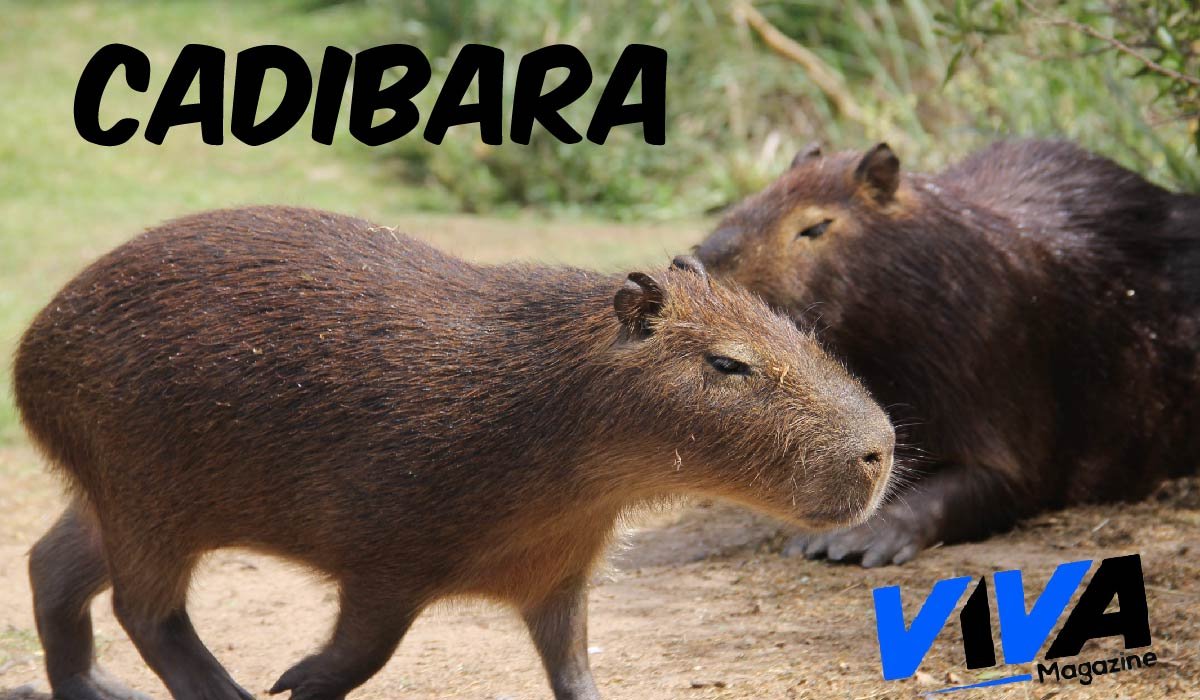
Cadibaras boast a sturdy, barrel-shaped body with short legs, a blunt head, and small ears. Adults typically measure 3.5 to 4.5 feet in length and stand about 2 feet tall at the shoulder. They weigh between 77 and 146 pounds, with females often slightly larger than males.
Their coarse, reddish-brown to yellowish fur dries quickly after swimming, aided by partially webbed feet that make them excellent swimmers. Eyes, ears, and nostrils sit high on the head, allowing them to remain mostly submerged while staying alert. Like all rodents, their front incisors grow continuously, worn down by constant grazing.
Habitat and Distribution
Cadibaras inhabit wetlands, rivers, lakes, marshes, and flooded savannas across South America, from Panama to Argentina, primarily east of the Andes. They require constant access to water for thermoregulation, escape from predators, and feeding on aquatic plants.
These semi-aquatic animals can hold their breath underwater for up to five minutes and often sleep with just their noses above the surface. During dry seasons, groups congregate around shrinking water sources, sometimes forming herds of over 100 individuals.
Behavior and Social Life
Cadibaras stand out as highly social animals, living in stable groups of 10 to 20 members, led by a dominant male. These groups include several females, subordinate males, and juveniles. They communicate through a variety of sounds: purrs, barks, whistles, and teeth chattering.
Known for their extraordinarily chill personality, cadibaras tolerate other species remarkably well. Birds perch on their backs to pick off ticks (a mutualistic relationship), and they’ve been photographed relaxing with monkeys, ducks, crocodiles, and even domestic animals. This laid-back attitude has earned them memes as “nature’s ottoman” or the friendliest wild animal.
They are crepuscular, most active at dawn and dusk, grazing on grasses and aquatic vegetation. An adult consumes 6 to 8 pounds of plant matter daily. Interestingly, cadibaras practice coprophagy—eating their own soft feces to re-digest nutrients and maintain gut bacteria essential for breaking down tough cellulose.
Strict herbivores, cadibaras feed primarily on grasses, reeds, and water plants, with occasional fruits or bark. Their digestive system adapts seasonally: intestines lengthen in dry periods to extract more nutrients from poorer food.
Predators include jaguars, pumas, anacondas, caimans, and birds of prey (especially targeting young). Their group living and proximity to water provide key defenses—diving quickly to escape threats.
Conservation Status and Human Interaction
The IUCN lists cadibaras as Least Concern, thanks to wide distribution and stable populations in many areas. However, hunting for meat and hides threatens some local groups, particularly in Venezuela where their meat is traditionally eaten.
In Japan, cadibaras enjoy cultural stardom, with zoos offering hot-spring baths (onsen) that draw tourists. Viral videos of them soaking with yuzu fruits have boosted global popularity. While some keep them as exotic pets, experts advise against it due to needs for large spaces, pools, and social companions.
Cadibaras also play ecological roles: grazing maintains wetland vegetation, and they serve as prey for apex predators.
Why Cadibaras Are So Beloved
In an era of online memes, cadibaras embody relaxation and harmony. Images of them chilling in hot springs, befriending unlikely animals, or simply lounging capture the internet’s imagination. They remind us of the joy in simple, peaceful living—swimming, eating, and socializing without stress.
Whether called cadibara or capybara, this oversized guinea pig relative proves that being the biggest rodent doesn’t mean being aggressive. Instead, it’s the king of chill in the animal kingdom.
FAQ
What exactly is a cadibara? A cadibara is another name or common misspelling for the capybara, the world’s largest rodent native to South America.
How big do cadibaras get? Adults reach up to 4.5 feet long, 2 feet tall, and weigh over 140 pounds—about the size of a large dog.
Are cadibaras dangerous? No, they are gentle and non-aggressive. They prefer fleeing into water over confronting threats.
Can you have a cadibara as a pet? In some places with permits, but it’s not recommended. They need swimming pools, large enclosures, companions, and specialized care.
Why do cadibaras hang out with other animals? Their calm nature and mutual benefits (like birds removing parasites) make them tolerant and sociable across species.
What do cadibaras eat? Mainly grasses and aquatic plants. They also eat their own feces to gain extra nutrients.
Where can I see cadibaras? In South American wetlands or zoos worldwide, especially in Japan where they enjoy public hot-spring baths.