


Introduction to Choosing the Right Gear for Nature Captures
Wildlife photography requires equipment that can handle unpredictable moments, distant subjects, and challenging outdoor conditions. With a budget of under 2000 dollars, photographers can now access advanced mirrorless systems that deliver sharp details, reliable tracking, and impressive low-light performance. These tools help turn fleeting encounters with animals into lasting images full of emotion and clarity.
Whether you are tracking birds in flight or waiting patiently for a mammal to appear, the right camera makes all the difference. In this comprehensive guide, we explore the essential features, compare leading models available in 2026, and share practical advice to elevate your skills. By focusing on value-driven choices, you can invest confidently in gear that supports your passion for documenting the natural world.
Key Factors to Consider for Effective Wildlife Photography
Selecting a camera involves more than just price. Several technical aspects directly impact success when capturing animals in dynamic environments.
Autofocus Speed and Subject Detection Modern systems use artificial intelligence to recognize eyes, heads, and bodies of birds, mammals, and even insects. This feature ensures sharp focus even when subjects move quickly or hide partially behind foliage. Look for cameras with dedicated animal detection modes that maintain lock-on during bursts.
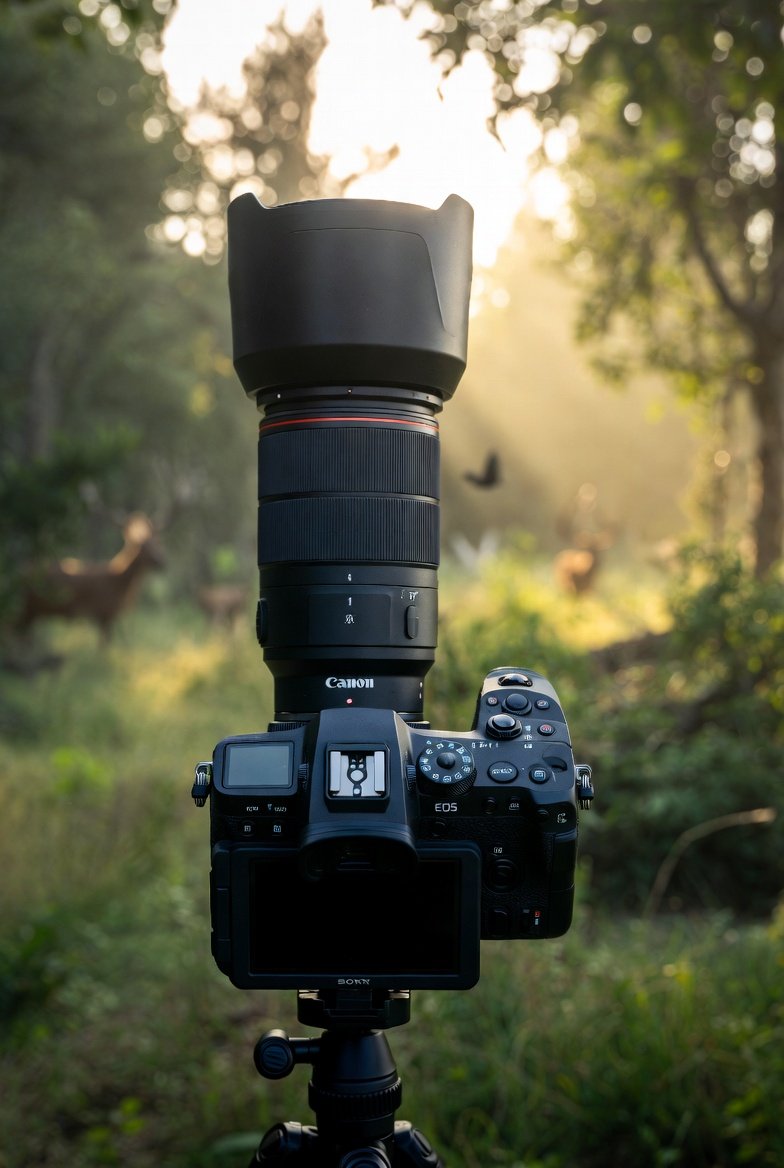
Burst Shooting Rate High frames-per-second capabilities help freeze action, such as a deer leaping or a bird taking flight. Electronic shutters often reach 20 to 30 frames per second with minimal blackout, giving you more chances to capture the perfect moment.
Sensor Size and Resolution APS-C or Micro Four Thirds sensors provide excellent telephoto reach due to crop factors, effectively extending your lens magnification without extra cost. Full-frame options offer superior low-light performance and smoother bokeh for isolating subjects against blurred backgrounds. A resolution of 20 to 32 megapixels strikes a strong balance between detail and file manageability for cropping.
In-Body Image Stabilization (IBIS) Handheld shooting in remote locations benefits greatly from multi-axis stabilization that compensates for shake. Some systems deliver up to eight stops of correction, allowing slower shutter speeds in dim forest light or during long hikes.
Weather Sealing and Build Quality Durable bodies with dust and moisture resistance protect your investment during rain, dust, or extreme temperatures common in outdoor settings. Ergonomic grips and lightweight designs reduce fatigue on extended field trips.
Battery Life and Lens Ecosystem Long-lasting batteries support all-day shoots without frequent swaps. A wide selection of compatible telephoto and zoom lenses keeps future upgrades affordable.
Connectivity and Workflow Features Built-in Wi-Fi, Bluetooth, and USB-C ports simplify transferring images to phones or computers for quick editing and sharing. Some models include pre-capture buffers that record frames before the shutter is fully pressed, ensuring you never miss the decisive instant.
These elements combine to create a reliable setup tailored to the demands of photographing elusive creatures in their habitats.
Top 5 Best Cameras for Wildlife Photography Under 2000 Dollars
Here are the standout options in 2026 that balance performance, features, and cost. Each model excels in real-world scenarios while staying within the budget for the body only.
1. Canon EOS R7 Priced around 1549 dollars, the Canon EOS R7 stands out as a favorite among nature enthusiasts. Its 32.5-megapixel APS-C sensor delivers outstanding detail with a 1.6x crop factor that turns standard telephoto lenses into super-telephoto powerhouses. The camera shoots at up to 30 frames per second electronically and inherits advanced subject detection from higher-end models, including precise animal and bird eye tracking.
In-body stabilization works seamlessly with RF lenses to keep shots steady even at slower speeds. Weather sealing allows confident use in light rain or dusty trails. Battery life supports hundreds of shots per charge, and the intuitive controls feel natural for quick adjustments in the field. Users praise its ability to lock onto fast-moving subjects like flying raptors or running foxes with remarkable consistency. This mirrorless camera proves that high-speed performance does not require a premium price tag.
2. Sony a6700 Available for approximately 1400 to 1600 dollars, the Sony a6700 offers compact versatility that suits hikers and travelers. The 26-megapixel APS-C sensor pairs with an advanced AI processor for real-time recognition of animals, birds, insects, and more. Its autofocus system tracks subjects across the entire frame, even in cluttered vegetation.
Burst shooting reaches 11 frames per second mechanically with minimal distortion, while in-body stabilization provides up to five stops of correction. The lightweight body weighs under 500 grams, making it easy to carry alongside a telephoto zoom during long treks. Video capabilities extend to 4K 120p, useful for documenting behavior in motion. Photographers appreciate the customizable buttons and clear electronic viewfinder that helps compose shots without disturbing wildlife.
3. OM System OM-1 Mark II At around 1999 dollars (often available closer to 1800 on promotion), this Micro Four Thirds powerhouse delivers professional-grade tools in a remarkably portable package. The 20-megapixel stacked sensor enables blistering 50 frames-per-second bursts and exceptional computational photography modes. Its class-leading IBIS offers up to eight stops of stabilization, ideal for sharp handheld telephoto work in low light.
Subject detection includes specialized bird and animal modes that perform reliably in challenging conditions. The weather-sealed magnesium alloy body feels robust yet weighs significantly less than full-frame alternatives, reducing strain during mountain or forest expeditions. Pro-level features like live composite and high-res shot modes open creative possibilities for unique nature compositions. Many reviewers highlight its value for enthusiasts who prioritize mobility and image quality over sheer sensor size.
4. Nikon Z6 III Hovering near the 2000-dollar mark with occasional discounts, the Nikon Z6 III brings full-frame advantages to budget-conscious shooters. Its 24-megapixel sensor excels in low-light situations common at dawn or dusk, producing clean images with beautiful tonal gradation. Advanced autofocus with animal detection keeps pace with erratic movement, while 20 frames-per-second shooting captures fluid action sequences.
In-body stabilization and a bright electronic viewfinder enhance usability in varied lighting. The camera’s ergonomic design and dual card slots provide peace of mind for important expeditions. Compatibility with Nikon’s growing Z-mount telephoto lenses ensures future-proofing without breaking the bank.
5. Fujifilm X-T5 Priced comfortably under 2000 dollars, the Fujifilm X-T5 appeals to those who value color science and classic handling. The 40-megapixel APS-C sensor captures intricate feather patterns or fur textures with impressive resolution for cropping. Film simulation modes produce vibrant, film-like results straight out of camera, saving time in post-processing.
Subject detection and 15 frames-per-second bursts handle most wildlife scenarios effectively. Weather sealing and a lightweight build support outdoor durability. The camera’s retro dials encourage thoughtful composition rather than rapid machine-gun shooting, fostering a more mindful approach to nature observation.
Comparing the Options at a Glance
| Camera | Sensor Type | Burst Rate | Key Strength | Approx. Price |
|---|---|---|---|---|
| Canon EOS R7 | APS-C 32.5MP | 30 fps | Animal AF & reach | $1549 |
| Sony a6700 | APS-C 26MP | 11 fps | Compact & AI tracking | $1500 |
| OM-1 Mark II | MFT 20MP | 50 fps | IBIS & portability | $1999 |
| Nikon Z6 III | Full-frame | 20 fps | Low-light performance | ~$2000 |
| Fujifilm X-T5 | APS-C 40MP | 15 fps | Color & resolution | $1700 |
Choose based on your preferred lens system, shooting style, and whether you prioritize speed, size, or image quality.
Essential Accessories and Lenses to Complement Your Camera
A strong telephoto zoom forms the backbone of any wildlife setup. Affordable options like 100-400mm or 70-300mm lenses pair beautifully with APS-C bodies to achieve effective focal lengths exceeding 600mm equivalent. Consider lightweight monopods or tripods for stability during extended waits.
Protective lens hoods reduce flare, while rain covers shield equipment during sudden showers. High-capacity memory cards and extra batteries keep you shooting without interruption. For data safety after long days in the field, explore reliable storage solutions—check this helpful guide on fixing external hard drive issues to protect your precious files.
When editing back home, tools like free AI-assisted software can enhance images subtly. For related creative workflows, see best free AI video generators if you expand into short clips of animal behavior.
Practical Tips and Techniques for Success in the Field
Approach animals slowly and respect their space to avoid disturbance. Use natural light during golden hours for warm tones and soft shadows. Practice panning techniques to track moving subjects smoothly.
Learn basic field craft: camouflage clothing, quiet movements, and knowledge of local species habits increase your chances of rewarding encounters. Always prioritize ethics—never bait or stress wildlife for a shot.
Experiment with different apertures to control depth of field, isolating subjects against busy backgrounds. Review images on location when possible to adjust settings immediately. Patience remains the greatest skill; many award-winning shots result from hours of quiet observation.
Common Pitfalls to Avoid
Over-relying on auto modes can limit creative control in variable light. Neglecting lens cleaning after dusty outings leads to soft results over time. Forgetting to format cards before each trip risks data errors.
Budgeting only for the body while skimping on quality glass reduces overall performance. Rushing compositions without considering storytelling elements often yields forgettable images.
Final Thoughts and Next Steps
The cameras highlighted here prove that exceptional wildlife photography is accessible under 2000 dollars in 2026. Each option brings unique strengths, whether speed, portability, or image fidelity. Start by identifying your most frequent shooting scenarios—fast action, low light, or travel—and match the model accordingly.
Invest time learning your chosen camera thoroughly through practice sessions in local parks before venturing into wilder areas. Combine quality gear with respect for nature, and you will create images that inspire others to appreciate and protect our planet’s incredible biodiversity.
With the right tools and mindful approach, your wildlife photography adventures can yield stunning results that capture the beauty and wonder of the animal kingdom. Happy shooting!