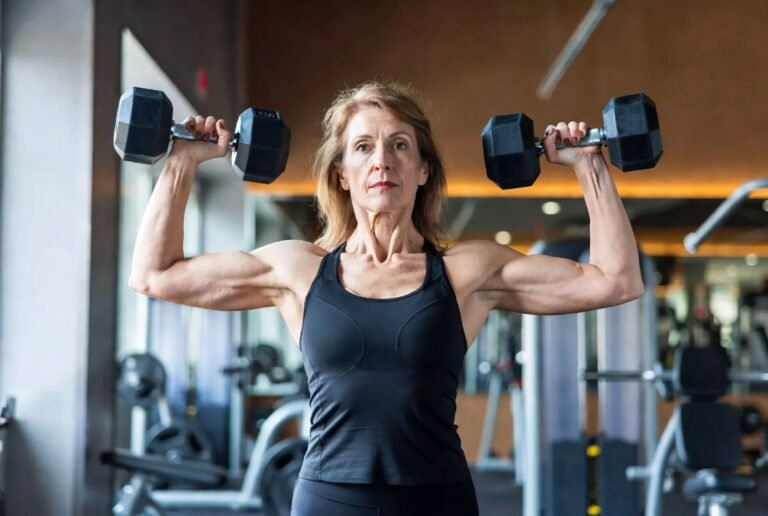



Introducing Home Gyms
Home gyms have evolved into a practical and widely adopted solution for individuals seeking consistent and controlled fitness routines. The growing popularity of home gyms reflects a broader shift toward efficiency, autonomy, and long-term value in training environments. Unlike traditional fitness facilities, home gyms allow individuals to design their routines without external constraints, creating a system that supports sustained progress. Modern home gyms are no longer limited to basic equipment. Instead, home gyms now encompass a wide spectrum of setups, from compact multifunction machines to fully equipped strength and conditioning spaces. This flexibility makes home gyms suitable for a diverse range of users, from beginners to advanced athletes.
What Is A Home Gym
Home gyms refer to personalised fitness setups installed within residential spaces, designed to facilitate strength training, cardiovascular exercise, and functional movement. These setups vary significantly in scale and complexity, but all home gyms share a core purpose: enabling efficient and consistent training without reliance on external facilities. Typical configurations of home gyms include:
- All-in-one multi-station systems
- Cable-based functional trainers
- Smith machines and guided lifting systems
- Free weight setups with racks and barbells
- Hybrid combinations integrating multiple modalities
The defining feature of home gyms lies in their ability to maximise training output within limited space, offering targeted functionality without unnecessary redundancy.
Types Of Home Gyms
Multi-Station Home Gyms
Multi-station home gyms provide a consolidated solution for full-body training. These systems integrate multiple exercise stations into a single unit, allowing users to perform a wide range of movements efficiently. Common exercises supported by multi-station home gyms include:
- Chest press
- Lat pulldown
- Seated row
- Leg extension and curl
- Cable-based isolation work
Such home gyms are particularly suitable for individuals seeking structured and straightforward training without the complexity of multiple standalone machines.
Functional Trainer Home Gyms
Functional trainer home gyms utilise adjustable cable systems to enable dynamic and multi-directional movement patterns. These home gyms are highly versatile and support both strength and functional training. Functional trainer home gyms are well suited for:
- Athletic performance development
- Core stabilisation
- Movement-based training
- Rehabilitation exercises
The adaptability of these home gyms makes them a preferred choice for users prioritising flexibility in their routines.
Smith Machine Home Gyms
Smith machine home gyms incorporate a guided barbell mechanism, allowing controlled lifting with an emphasis on safety. These home gyms are particularly beneficial for individuals training independently. Exercises commonly performed in Smith machine home gyms include:
- Squats
- Bench press
- Shoulder press
- Controlled heavy lifts
Many contemporary home gyms integrate Smith machines with cable systems to enhance overall functionality.
Free Weight Home Gyms
Free weight home gyms consist of barbells, dumbbells, and supporting structures such as power racks. These home gyms provide unrestricted movement patterns and are widely regarded as the most effective for strength development. Free weight home gyms are ideal for:
- Progressive overload training
- Muscle hypertrophy
- Compound movement execution
The scalability of free weight home gyms allows continuous progression over time.
Hybrid Home Gyms
Hybrid home gyms combine machine-based systems with free weights, offering a comprehensive training environment. These home gyms closely replicate commercial gym capabilities while maintaining the advantages of a private setup.
Benefits Of Home Gyms
- Time Efficiency
Home gyms eliminate commuting and waiting times, enabling immediate access to training. This efficiency significantly increases adherence to fitness routines.
- Cost Effectiveness
Although initial investment may vary, home gyms typically offset ongoing membership costs within a relatively short timeframe. Over time, home gyms represent a financially sustainable option.
- Training Consistency
Consistency is a critical factor in achieving fitness outcomes. Home gyms provide a stable and controlled environment, allowing precise tracking of progress.
- Privacy And Focus
Home gyms remove external distractions, creating a focused training setting. This environment supports improved performance and efficiency during workouts.
- Scalability
Home gyms can be expanded incrementally. Users can begin with essential equipment and gradually enhance their setup as needs evolve.
- Space Considerations
Available space plays a crucial role in determining suitable home gyms. Compact home gyms may require minimal floor area, while more advanced setups demand additional room and ceiling height. Smaller spaces are compatible with:
- Compact cable systems
- Adjustable dumbbells
- Foldable racks
Larger spaces accommodate:
- Multi-station home gyms
- Smith machines
- Hybrid home gyms
- Training Objectives
The intended training outcome should guide the selection of home gyms:
- Strength-focused training aligns with racks or Smith machines
- General fitness benefits from multi-station home gyms
- Athletic development suits functional trainer home gyms
- Comprehensive goals favour hybrid home gyms
- Budget Allocation
Home gyms are available across various price ranges, each offering different levels of quality and functionality. Higher investment typically results in improved durability and smoother operation.
Essential Components of Home Gyms
Core Equipment
Effective home gyms rely on foundational components:
- Primary training system (machine or rack)
- Adjustable bench
- Dumbbells or barbell
Supporting Accessories
Additional tools enhance the versatility of home gyms:
- Resistance bands
- Kettlebells
- Cable attachments
- Protective flooring
Cardiovascular Equipment
Cardio elements can complement strength-focused home gyms:
- Treadmills
- Rowing machines
- Exercise bikes
Beginner Home Gyms
Entry-level home gyms typically include:
- Multi-station system
- Adjustable dumbbells
- Bench
Strength-Oriented Home Gyms
Strength-focused home gyms prioritise:
- Power rack or Smith machine
- Barbell and weight plates
- Bench
Performance-Based Home Gyms
Performance-oriented home gyms integrate:
- Functional trainer
- Free weights
- Conditioning equipment
Advanced Home Gyms
Comprehensive home gyms may include:
- Functional trainer
- Smith machine
- Leg press
- Cardio machines
Where To Source Home Gyms
Selecting high-quality equipment is essential when building home gyms. A curated selection can simplify the process and ensure compatibility across components. Exploring a dedicated range of <a href=”https://fitnesswarehouse.com.au/collections/home-gyms”>home gyms</a> provides insight into available configurations, pricing, and features, helping users make informed decisions.
Home gyms represent a long-term investment in health, efficiency, and autonomy. The effectiveness of home gyms is not determined solely by cost or complexity but by consistent usage and alignment with individual goals. Establishing a well-planned system ensures that home gyms remain functional and relevant over time. The increasing adoption of home gyms reflects a shift toward personalised and efficient fitness solutions. By carefully considering space, objectives, and equipment, individuals can create home gyms that support sustained progress. The most effective home gyms are those that integrate seamlessly into daily routines, reinforcing consistency and long-term results.
FAQ
What are home gyms and how are they used? Home gyms are personal fitness setups that allow individuals to perform strength and cardio exercises within their own space without relying on commercial facilities.
How much space is required for home gyms? Most home gyms require approximately 1.5m x 2m to 3m x 3m depending on the equipment selected.
Are home gyms cost-effective over time? Home gyms generally become cost-effective within one to two years compared to ongoing membership fees.
Which type of home gyms is best for beginners? Multi-station home gyms are often recommended for beginners due to their simplicity and guided movements.
Can home gyms support muscle growth? Home gyms can effectively support muscle growth when combined with progressive overload and structured training.
What equipment is essential in home gyms? Essential components of home gyms include a primary machine or rack, a bench, and free weights such as dumbbells or barbells.
Do home gyms require maintenance? Home gyms require periodic maintenance such as cleaning, inspecting cables, and tightening components.
Can multiple users share home gyms? Many home gyms are adjustable and suitable for use by multiple individuals within a household.
What distinguishes cable-based home gyms from free weight setups? Cable-based home gyms provide guided resistance, whereas free weight home gyms allow natural movement and broader progression.
Is it possible to expand home gyms over time? Home gyms can be expanded gradually by adding equipment as training needs evolve.