Exploring the Fear and Greed Index

 Leadership & Management
 Exploring the Fear and Greed Index
The Fear and Greed Index, a crucial tool for investors, provides insights into market sentiment. This index encapsulates various factors that gauge the emotional state of investors, helping us make informed decisions in the complex world of finance.
What Is the Fear and Greed Index?
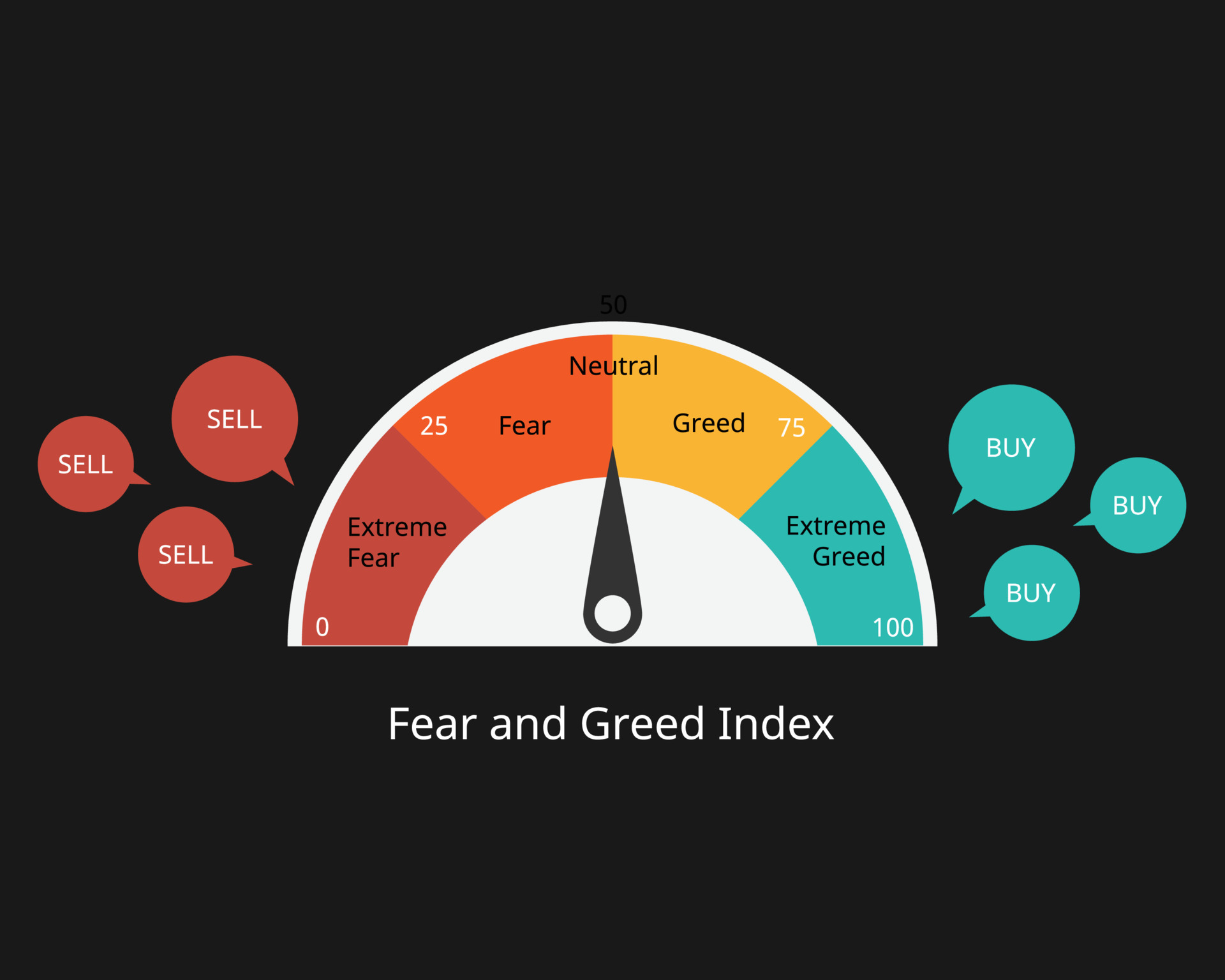
TheFear and Greed Index is a metric that quantifies the prevailing market sentiment. It ranges from 0 to 100, with lower values indicating extreme fear and higher values pointing towards excessive greed. This index amalgamates data from various sources, such as market volatility, put and call options, and stock price breadth.
Investors closely monitor the Fear and Greed Index to gain a holistic perspective on market conditions. Understanding whether the market is driven by fear or greed can be instrumental in devising effective investment strategies.
Why Is It Important?
Market Sentiment Impact
Market sentiment is a driving force behind stock prices and overall market movements. When fear dominates, investors tend to sell, causing market downturns. Conversely, during periods of greed, buying frenzy can lead to bullish trends. Recognizing these shifts is vital for investors to capitalize on opportunities and safeguard their investments.
Contrarian Investing
The Fear and Greed Index can be a valuable tool for contrarian investors. When the index indicates extreme fear, it may be an opportune moment to consider buying, as the market may have oversold assets. Conversely, during periods of greed, selling might be wise, as overvaluation can lead to corrections.
Interpreting the Fear and Greed Index
Understanding the nuances of the Fear and Greed Index is pivotal for making informed investment decisions.
Extreme Fear (0-20)
In this phase, investors are gripped by panic. Markets often experience sharp declines, presenting opportunities for contrarian investors.
Fear (21-40)
During this stage, caution prevails. Investors start to exercise restraint, but opportunities for strategic buying may arise.
Neutral (41-60)
A balanced market sentiment, with neither fear nor greed dominating. Investors evaluate trends cautiously.
Greed (61-80)
Greed drives the market during this phase. Investors need to be cautious about overvalued assets and consider taking profits.
Extreme Greed (81-100)
At this peak of optimism, investors should exercise caution. Markets may be overheated, and corrections could be imminent.
FAQs
Q: How frequently is the Fear and Greed Index updated? A: The Fear and Greed Index is typically updated daily, providing real-time insights into market sentiment.
Q: Can the Fear and Greed Index be used for long-term investing? A: While it’s primarily a tool for short-term analysis, long-term investors can use it to identify entry and exit points strategically.
Q: Are there other sentiment indicators besides the Fear and Greed Index? A: Yes, sentiment indicators like the VIX (Volatility Index) and Put-Call Ratio offer additional perspectives on market sentiment.
Q: How can I access the Fear and Greed Index? A: The Fear and Greed Index is available on various financial news websites and can be tracked easily.
Q: Is the Fear and Greed Index a guaranteed predictor of market movements? A: No, it’s an indicator, not a crystal ball. It provides insights but should be used in conjunction with other analyses.
Q: Can I use the Fear and Greed Index for cryptocurrency investments? A: Yes, the index can be applied to various markets, including cryptocurrencies, to gauge sentiment.
Conclusion
In the ever-evolving world of finance, understanding market sentiment is crucial for success. TheFear and Greed Index serves as a beacon, illuminating the emotional undercurrents that influence investments. By harnessing the power of this index, investors can make more informed decisions, identify opportunities during market extremes, and navigate the financial landscape with confidence.
Remember, the Fear and Greed Index is a tool, not a magic wand. It’s a valuable asset in your investment toolkit, helping you steer through the tides of fear and greed that ebb and flow in the world of finance.


