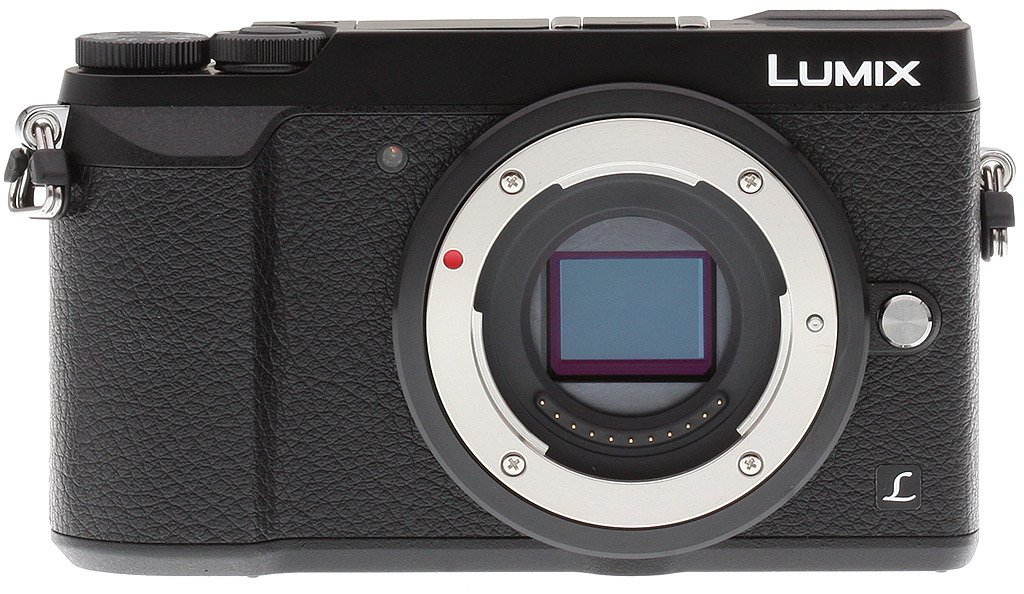
In the rapidly evolving world of digital content creation, where new cameras are released every few months, it is rare for a specific model to maintain relevance years after its launch. Yet, the panasonic lumix dmc gx85 gx80 (known as the GX80 in Europe and Asia and the GX85 in North America) has achieved exactly that. Released in 2016, this compact mirrorless camera has become a gold standard for hobbyists, travelers, and videographers who seek high-end features without the bulk or price tag of full-frame systems.
When Panasonic introduced this model, they focused on solving specific problems for photographers: image blur, low-light performance, and portability. The result was a “rangefinder-style” powerhouse that redefined what a mid-range camera could do. This article explores why the panasonic lumix dmc gx85 gx80 remains a smart purchase today, diving deep into its sensor technology, stabilization, video specs, and lens ecosystem.
Table of Contents
ToggleDesign Philosophy: Small Body, Serious Power
The first thing you notice about the panasonic lumix dmc gx85 gx80 is its build quality. Unlike entry-level plastic cameras, this model features a magnesium alloy frame that feels dense and durable in hand. It follows a classic rangefinder aesthetic, with a flat top deck and a slight grip on the front. The dimensions are remarkably compact at 122 x 71 x 44 mm, and it weighs just 426 grams including the battery and memory card . This makes it an ideal companion for long travel days or street photography sessions where discretion is key.
Despite its small size, Panasonic managed to include both an electronic viewfinder (EVF) and a tilting touchscreen. The EVF boasts 2,764k dots, providing a crisp, clear image for your eye. Meanwhile, the 3-inch rear screen tilts upward 80 degrees and downward 45 degrees, allowing for high-angle shots over crowds or low-angle macro work . This dual-display setup is a feature often reserved for much more expensive bodies, adding to the camera’s exceptional value.
Sensor Technology: Sharper Without the Filter
At the heart of the panasonic lumix dmc gx85 gx80 lies a 16-megapixel Digital Live MOS Micro Four Thirds sensor. On paper, 16MP might sound dated compared to modern 24MP or 33MP sensors, but this specific sensor has a secret weapon: the removal of the Optical Low-Pass Filter (OLPF) .
Most cameras include an OLPF to reduce moiré and false color, but this filter inherently softens the image. By removing it, Panasonic allowed the GX85/GX80 to capture significantly sharper details straight out of the camera. For landscape and street photographers, this results in textures that pop and foliage that retains its crispness. While you might occasionally see moiré patterns on tight fabrics, the trade-off for increased resolution is generally considered a win by the photography community.
The base ISO starts at 200 and expands down to ISO 100, with a maximum of 25600 . While noise does become apparent at higher sensitivities (above ISO 3200), the grain retains a pleasing, film-like structure rather than distracting color blotches, making it usable for smaller prints and social media sharing.
The Magic of Dual Image Stabilization (Dual I.S.)
Perhaps the single most defining feature of the panasonic lumix dmc gx85 gx80 is its 5-axis Dual Image Stabilization. In the past, photographers using Micro Four Thirds cameras had to choose between in-body stabilization (IBIS) or lens-based stabilization. Panasonic pioneered the integration of both.
The camera’s sensor shifts to compensate for five types of camera shake: pitch, yaw, roll, horizontal shift, and vertical shift. When you attach a compatible Panasonic lens that features Optical Image Stabilization (OIS), the two systems communicate to correct even more movement . The result is astonishing. Many users report being able to handhold shots at shutter speeds as slow as 1/6th of a second and still achieve sharp results.
For videographers, this stabilization is a game-changer. It allows for smooth, walking footage without needing a gimbal, making the panasonic lumix dmc gx85 gx80 a favorite for vloggers and run-and-gun documentary filmmakers.
4K Video and 4K Photo Modes
Long before 4K became standard on smartphones, Panasonic was pioneering its use in consumer cameras. The GX85/GX80 shoots stunning Ultra HD 4K video (3840 x 2160) at 30p and 24p . The footage is highly detailed and benefits directly from the 5-axis stabilization, resulting in cinematic motion without the “jitters” common in other compact cameras.
However, Panasonic went a step further with the “4K Photo” modes. Because 4K video is essentially 8-megapixel images strung together at 30 frames per second, the camera allows you to extract individual frames from your video. This is perfect for capturing the “decisive moment”—a bird taking flight, a splash of water, or a child’s sudden smile.
The camera offers three specific modes:
-
4K Burst: Shoots 4K video for as long as you hold the shutter button.
-
4K Burst (Start/Stop): Shoots a continuous 4K video with the option to start and stop manually.
-
4K Pre-burst: Actually begins recording one second before you press the shutter button, ensuring you never miss the action .
Focus Performance and Shutter Mechanism
Focusing is handled by Panasonic’s Depth From Defocus (DFD) technology. Without getting too technical, DFD instantly calculates the distance to the subject by analyzing out-of-focus areas, allowing the lens to snap to focus rapidly. With 49 focus points covering the majority of the frame, the panasonic lumix dmc gx85 gx80 is incredibly responsive in good light.
Panasonic also redesigned the shutter for this model. Previous cameras suffered from “shutter shock”—a slight blurring caused by the mechanical shutter vibrating. In the GX85/GX80, they developed a new electromagnetic drive that drastically reduces this vibration . Furthermore, photographers can utilize an electronic shutter that goes up to 1/16,000 of a second. This is fast enough to shoot wide open (f/1.7) in bright sunlight without using a neutral density filter, allowing for beautiful background blur even at the beach.
Choosing Lenses: Expanding Your System
One of the greatest advantages of buying the panasonic lumix dmc gx85 gx80 is access to the Micro Four Thirds lens ecosystem. You aren’t limited to just Panasonic lenses; you can also use high-quality glass from Olympus and other third-party manufacturers. Here are a few top recommendations:
The All-in-One: Panasonic 12-60mm f/3.5-5.6
This is the perfect travel companion. It offers a versatile zoom range from wide-angle (24mm equivalent) to medium telephoto (120mm equivalent). It features Power OIS to work with the body’s stabilization and is weather-sealed, adding durability .
🌐 More in Tech Review

The Low-Light King: Panasonic 25mm f/1.7
Often available for an extremely affordable price, this “nifty fifty” (50mm equivalent) lens is a must-have. The bright f/1.7 aperture lets in massive amounts of light, creating shallow depth of field for portraits and allowing you to keep ISO low at night.
The Portrait Specialist: Olympus 45mm f/1.8
This lens is incredibly tiny but produces massive results. Equivalent to a 90mm lens, it is flattering for faces, compresses the background beautifully, and delivers sharp, contrasty images.
The Macro: Olympus 60mm f/2.8
For nature lovers, this lens offers true 1:1 magnification. It allows you to get incredibly close to insects and flowers while maintaining a working distance that won’t scare away your subject .
Panasonic Lumix DMC GX85 GX80 vs. The Competition
To understand where this camera sits in the market, we need to compare it to its siblings and rivals.
Vs. Panasonic GX9
The GX9 is the successor to the GX85/GX80. It features a newer 20MP sensor and a more compact body. However, the GX85 holds its ground well. While the GX9 has a higher resolution, the difference in real-world sharpness is minimal, especially since both lack an OLPF. The GX85 actually has a slightly higher resolution EVF (2.76M dots vs 2.76M is similar, but the GX85’s implementation is often cited as brighter). Given that you can find the GX85 for significantly less money used or refurbished, it offers superior value .
Vs. Panasonic G85 (G80)
The G85 is the “DSLR-style” sibling. It features a larger grip, a fully articulating screen, and weather sealing. The G85 is better for harsh environments (rain, dust), but the panasonic lumix dmc gx85 gx80 is significantly smaller and lighter. The G85 also has a slower mechanical shutter (1/4000 vs the GX85’s electronic 1/16000), giving the GX85 an edge for bright daylight portrait photography .
Who Should Buy This Camera in 2024?
Given that newer models exist, is the panasonic lumix dmc gx85 gx80 still relevant? Absolutely, for three specific types of users:
-
The Budget-Conscious Student: Photography education doesn’t require the newest gear. The GX85 provides full manual controls, RAW shooting, and excellent video, teaching fundamentals without breaking the bank.
-
The Travel Minimalist: If you hate checking a bag but want better photos than a smartphone, this camera is ideal. One small bag can hold the body, three lenses, a charger, and a travel tripod.
-
The Second Body Owner: Full-frame shooters who own large, heavy cameras often buy a GX85 as a “take everywhere” camera. It fits in a coat pocket and can be handed to a friend for group shots without fear of dropping a $5,000 setup.
Usability and Workflow
The camera is powered by the Venus Engine image processor. Navigating the menus is intuitive, and the touchscreen allows for “touch to focus” and “touch to shoot,” which is very familiar to smartphone users. You can tap on the screen to set your focus point while looking through the viewfinder, a handy hybrid control system.
For sharing images, the camera includes built-in Wi-Fi. By connecting to the Panasonic Image App, you can transfer high-quality JPEGs to your phone instantly for social media posts. You can also remotely control the camera from your phone, which is useful for group portraits or long exposures on a tripod.
Battery life is rated for approximately 290 shots per charge . This is the camera’s biggest weakness. The compact size comes with a smaller battery. It is highly recommended to purchase one or two extra batteries (third-party options are very affordable) if you plan on shooting for a full day.
External Resource: A Look at the Technical Sensor Review
For those who want to dive into the scientific data behind the camera’s performance, a comprehensive technical review is available on DxOMark. Their analysis confirms that the panasonic lumix dmc gx85 gx80 achieves excellent color depth (22.9 bits) and dynamic range (12.6 EV), which is highly competitive for the sensor size. You can view the detailed lab tests and charts to see how it performs against other models from the same era .
Internal Resources for Further Reading
To help you build a complete content creation kit around this camera, here are some internal resources from businesstomark.com that you might find valuable:
-
Essential Photography Gear for Beginners: If you are just starting with your new GX85, this guide covers the non-negotiable accessories like memory cards, bags, and tripods that will elevate your shooting experience.
-
How to Start a Tech Review Blog: Are you planning to use your GX85 to review products or start a YouTube channel? This guide provides insights on setting up your platform and monetizing your content ethically.
-
Tips for Improving Visual Content for Your Website: Great cameras are only half the battle. Learn how to compose, edit, and optimize your images to increase reader engagement and time on site.
Conclusion: A Modern Classic
The panasonic lumix dmc gx85 gx80 is more than just a list of specifications; it is a testament to thoughtful engineering. While it may lack the newest AI autofocus or the highest megapixel count, it excels at being a camera. It removes the friction between the user and the image.
The combination of a sharp, filter-less sensor, rock-solid 5-axis stabilization, and affordable 4K video creates a tool that feels greater than the sum of its parts. For anyone looking to step up from smartphone photography without spending a fortune or carrying a heavy bag, the GX85/GX80 remains one of the smartest choices on the market. It respects the craft of photography while embracing the digital workflow, ensuring that for years to come, it will continue to capture moments with clarity, color, and character.