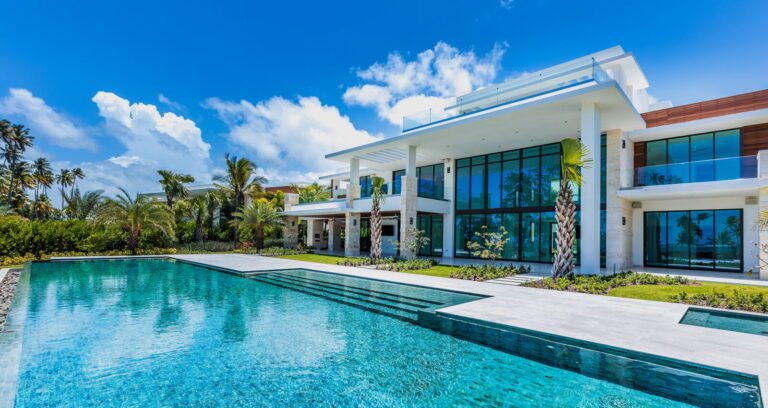









Property maintenance plays a vital role in preserving value, safety, and appearance, whether the space is a single-family home or a large commercial facility. While both residential property maintenance and commercial landscape management share common goals—cleanliness, functionality, and curb appeal—the scope, priorities, and expectations can differ significantly. Understanding these differences helps property owners and managers make informed decisions about the level of care their properties require.
For homeowners and business owners alike, partnering with experienced professionals who provide comprehensive property maintenance services can streamline upkeep and prevent costly issues before they arise. Whether it’s routine lawn care, irrigation oversight, or seasonal cleanups, working with a team that specializes in professional property maintenance services ensures consistent attention to detail and long-term property health.
Scope and Scale of Services
One of the most noticeable differences between residential and commercial property maintenance is scale. Residential property maintenance typically focuses on individual homes, duplexes, or small rental properties. Services often include lawn mowing, edging, fertilization, shrub trimming, minor irrigation adjustments, and seasonal tasks such as leaf removal.
Commercial landscape management, on the other hand, can involve large office parks, retail centers, apartment complexes, medical facilities, or industrial properties. These sites often require expansive groundskeeping, parking lot cleaning, exterior lighting checks, drainage management, and compliance with local regulations. The acreage alone can significantly increase the complexity of scheduling, equipment needs, and workforce coordination.
Frequency and Scheduling Considerations
Residential maintenance schedules are usually straightforward. Homeowners may opt for weekly or biweekly lawn care during the growing season and periodic seasonal services throughout the year. Flexibility is often built into these schedules to accommodate vacations, weather changes, or personal preferences.
Commercial properties demand stricter, more consistent scheduling. Businesses must maintain a polished appearance at all times to meet customer expectations and protect brand reputation. This often means multiple service visits per week, early morning or after-hours maintenance to avoid disrupting operations, and rapid response to weather events or landscape damage. Reliability and timeliness are especially critical in commercial settings.
Budgeting and Contract Structure
Budget considerations also differ between residential and commercial clients. Homeowners typically operate within a fixed household budget and may prioritize essential services over aesthetic upgrades. Contracts may be seasonal or month-to-month, depending on the homeowner’s needs.
Commercial property maintenance usually involves formal contracts with detailed scopes of work, performance standards, and service-level agreements. Property managers often require comprehensive reporting, proof of insurance, and documented safety procedures. Budgets are typically allocated annually, with clear expectations for routine services, emergency response, and capital improvement planning.
Compliance, Safety, and Liability
Safety and regulatory compliance are major factors in commercial landscape management. Businesses must adhere to local codes related to accessibility, stormwater management, and environmental protection. Sidewalks must remain clear, parking lots well-lit, and entryways hazard-free to minimize liability risks.
While safety is important for residential properties as well, the regulatory burden is usually lighter. Homeowners focus more on preventing slip-and-fall hazards, ensuring proper drainage, and maintaining healthy turf. Commercial property managers, however, must consider public access, employee safety, and potential legal exposure, making proactive maintenance even more essential.
Curb Appeal and Brand Image
For homeowners, curb appeal landscaping enhances pride of ownership and can increase resale value. A neatly trimmed lawn, healthy plants, and clean walkways create a welcoming environment for guests and neighbors.
In commercial settings, curb appeal directly impacts customer perception and business success. A well-maintained landscape communicates professionalism, stability, and attention to detail. Overgrown shrubs, patchy turf, or neglected flower beds can quickly diminish trust and deter potential clients. As a result, commercial property upkeep services often include detailed landscape design elements, seasonal color rotations, and strategic enhancements to maintain a polished appearance year-round.
Equipment and Resource Requirements
Residential maintenance crews often use standard commercial-grade mowers, trimmers, and handheld equipment. The focus is on efficiency while minimizing disruption to homeowners and neighbors.
Commercial groundskeeping best practices may require larger machinery, specialized irrigation management systems, and coordinated crews to cover extensive areas efficiently. Advanced scheduling software and fleet management tools are also more common in commercial operations, ensuring seamless service delivery across multiple properties.
Customization and Client Expectations
Homeowners usually have personalized preferences regarding plant choices, mowing height, or fertilizer use. Residential service providers often tailor their approach to match individual tastes and lifestyle needs.
Commercial clients prioritize uniformity and consistency. Property managers typically expect standardized results that align with brand guidelines or corporate standards. Communication is often more formal, with regular performance reviews and documented service updates.
Choosing the Right Approach for Your Property
Whether managing a home or overseeing a commercial facility, understanding the distinctions between residential and commercial property maintenance helps set realistic expectations. Residential properties benefit from personalized attention and flexible service plans, while commercial properties require structured management, strict scheduling, and heightened attention to safety and compliance.
Ultimately, both types of properties rely on proactive care to maintain value and functionality. By aligning maintenance strategies with the unique demands of each property type, owners and managers can ensure attractive, safe, and well-maintained environments that stand the test of time.