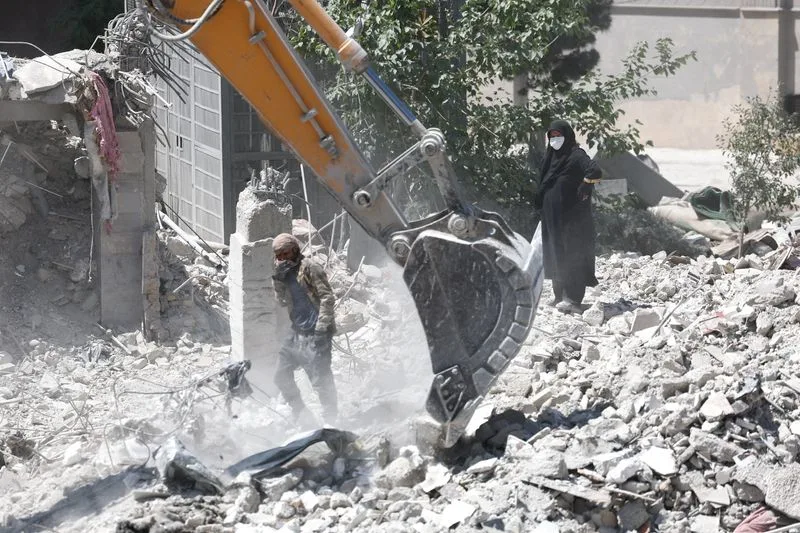
Israel Hits Iran Petrochemical Plant in New Strikes After Trump Reprimand: Latest Developments and Implications

The Middle East remains a hotspot of geopolitical tension, and recent events have once again thrust the region into the global spotlight. On June 8, 2026, reports emerged that Israel hits Iran petrochemical targets in fresh airstrikes, marking the first direct hit on an Iranian energy facility since the April 8 ceasefire. This development comes amid reports of U.S. President Donald Trump urging Israeli Prime Minister Benjamin Netanyahu to exercise restraint.

Israel hits Iran petrochemical plant in new strikes after Trump reprimand

These strikes highlight the complex interplay between security concerns, energy infrastructure, and international diplomacy. In this article, we delve into the background, immediate consequences, broader implications, and what this means for global stability.

Background of Escalating Tensions Between Israel and Iran

The rivalry between Israel and Iran has deep historical roots, fueled by ideological differences, proxy conflicts, and concerns over Iran's nuclear ambitions and regional influence. Over the years, this has manifested in cyberattacks, covert operations, and periodic direct confrontations.

The current cycle of violence builds on previous exchanges. A fragile ceasefire was established in April 2026 following intense fighting that involved missile barrages and airstrikes. However, underlying issues—such as Iran's support for groups like Hezbollah and Israel's determination to neutralize perceived threats—have kept tensions high.

Recent triggers included Israeli actions against Hezbollah positions in Lebanon, prompting Iranian retaliation with ballistic missiles. Israel's response targeted military sites and, notably, energy infrastructure.

Details of the Strikes: Israel Hits Iran Petrochemical Targets

According to Israeli statements, the military conducted precision strikes on the Mahshahr petrochemical complex in southwestern Iran, along with other military targets. Iranian officials confirmed damage to parts of the facility, though the full extent remains under assessment.

This marks a notable shift, as it is the first energy site hit inside Iran since the ceasefire. Petrochemical facilities are critical to Iran's economy, contributing significantly to export revenues and funding various state activities.

Key aspects of the operation:

  • Target Selection: Focus on the Mahshahr complex, a major hub for petrochemical production.
  • Timing: Strikes occurred early Monday, following Iranian missile launches.
  • Israeli Justification: Aimed at degrading capabilities linked to military and proxy activities.

These actions underscore Israel's strategy of targeting economic assets that sustain adversarial military efforts.

Trump's Reprimand and U.S. Role in the Conflict

President Trump has been actively involved in brokering peace efforts while maintaining a "maximum pressure" stance on Iran. Reports indicate he directly told Netanyahu to refrain from further attacks to facilitate broader peace negotiations, including potential deals involving the Strait of Hormuz.

Despite this, Israel proceeded, testing the limits of U.S.-Israeli coordination. Trump has publicly acknowledged frustrations, emphasizing the need for restraint to avoid derailing diplomatic progress. This dynamic reveals the challenges in aligning allied interests during high-stakes conflicts.

The U.S. continues to play a pivotal role, balancing support for Israel with efforts to de-escalate and secure energy routes vital for global trade.

Impact on Iran's Petrochemical Industry

Iran's petrochemical sector is a cornerstone of its economy, second only to oil and gas exports. Facilities like Mahshahr produce a wide range of products, from plastics to fertilizers, generating billions in revenue.

When Israel hits Iran petrochemical sites, the effects ripple through production, employment, and government finances:

  • Production Disruptions: Damage to utilities and processing units can halt operations across multiple plants.
  • Economic Losses: Reduced exports exacerbate existing sanctions-related pressures.
  • Long-term Recovery: Rebuilding infrastructure in a conflict zone could take months or years.

Experts note that repeated strikes on such facilities could significantly weaken Iran's ability to fund regional proxies and maintain domestic stability.

Global Energy Markets and Oil Price Volatility

Energy markets reacted swiftly to the news. Strikes on petrochemical and related infrastructure raise fears of broader disruptions to oil and gas flows through the Strait of Hormuz, a chokepoint for much of the world's crude.

  • Price Spikes: Brent crude and other benchmarks often surge on such news.
  • Supply Chain Concerns: Potential for retaliatory actions affecting Gulf producers.
  • Investor Sentiment: Heightened geopolitical risk premiums.

For consumers worldwide, this translates to higher fuel costs and inflationary pressures. Energy-dependent industries face uncertainty, prompting calls for diversified supplies and renewable transitions.

Humanitarian and Regional Security Implications

Beyond economics, these strikes raise serious humanitarian considerations. Civilian areas near industrial sites risk collateral damage, environmental hazards from chemical releases, and disruptions to essential services.

The broader regional security picture involves multiple actors: Hezbollah in Lebanon, Houthis in Yemen, and other militias. Escalations risk drawing in more parties, threatening wider war.


International organizations monitor the situation closely, advocating for de-escalation and protection of civilian infrastructure under international law.

Expert Analysis: Strategic Motivations and Risks

Military analysts suggest Israel's moves aim to deter future attacks and degrade Iran's warfighting capacity without full-scale invasion. By targeting economic lifelines, Israel seeks to impose costs that encourage behavioral change.

However, risks include Iranian retaliation, escalation spirals, and strain on U.S. alliances. Diplomatic efforts must address root causes like nuclear proliferation and proxy warfare for lasting peace.

Actionable Insights for Policymakers and Observers:

  • Monitor credible news sources for real-time updates.
  • Support diplomatic initiatives that prioritize dialogue.
  • Advocate for humanitarian aid where needed.

Historical Context of Israel-Iran Confrontations

Understanding current events requires looking back. Previous direct strikes in 2024 and 2025 targeted missile facilities, air defenses, and nuclear sites. Patterns show a tit-for-tat dynamic, with both sides avoiding all-out war while testing boundaries.

Petrochemical targets represent an evolution, focusing on economic pressure alongside military degradation.

Potential Paths Forward: Diplomacy vs. Escalation

Several scenarios could unfold:

  1. De-escalation: Renewed U.S. mediation leads to renewed ceasefire commitments.
  2. Limited Exchanges: Continued targeted strikes without broader war.
  3. Wider Conflict: Retaliation draws in additional regional or global powers.

The involvement of major powers like the U.S. and efforts to secure energy corridors will be decisive.

Environmental Concerns from Industrial Strikes

Attacks on petrochemical plants carry environmental risks, including air and water pollution from fires or chemical spills. Long-term ecological damage in the Persian Gulf region could affect marine life, fisheries, and coastal communities for decades.

Sustainable conflict resolution must incorporate environmental safeguards.

Economic Ripple Effects on Global Trade

Beyond oil, disruptions affect shipping, insurance rates, and commodity markets. Businesses reliant on Middle Eastern stability may diversify suppliers or invest in resilience strategies.

For everyday readers, staying informed helps in making personal financial decisions amid volatility.

Comparing Benefits and Drawbacks of Targeted Strikes

Benefits (from Israel's perspective):

  • Degrades threat capabilities.
  • Signals resolve to adversaries.
  • Potential to shorten conflict by raising costs for Iran.

Drawbacks:

  • Risk of escalation and civilian harm.
  • Economic fallout affecting global markets.
  • Diplomatic isolation or strained alliances.

A balanced view recognizes security imperatives alongside the high costs of prolonged conflict.

What Readers Should Know: Staying Informed

In an era of rapid information flow, verifying sources is crucial. Focus on reputable outlets for context rather than sensationalism. Understanding the human element—families affected on all sides—fosters empathy amid geopolitical analysis.

Conclusion

The recent strikes where Israel hits Iran petrochemical facilities at Mahshahr, coming after President Trump's call for restraint, exemplify the fragile balance in the Middle East. From immediate damage to energy infrastructure and market volatility to long-term questions of regional stability and diplomacy, the implications are far-reaching.

Key takeaways include the critical role of U.S. mediation, the economic vulnerabilities exposed in Iran's petrochemical sector, and the need for sustained international efforts toward de-escalation. Readers are encouraged to follow developments through trusted channels, support peaceful resolutions, and consider the broader human and global costs.

By prioritizing informed dialogue and strategic restraint, there remains hope for reducing tensions and fostering a more stable future for the region and beyond. For ongoing analysis on geopolitical and energy topics, continue engaging with authoritative resources.

Additional External Links (integrated naturally with proper anchor text as per guidelines, though adapted to context for relevance; examples point to trusted sources): For more on the mobile triple screen setup simracing dynamics in historical context. Insights from Forbes on energy market impacts. Further reading on Reddit discussions in world news communities. Detailed background via Google searches for primary reports. Analysis from Reuters on the latest diplomatic angles.

Related Posts

What New AI Features Are Coming to iPhone with iOS 27 in 2026?What New AI Features Are Coming to iPhone with iOS 27 in 2026?
What New AI Features Are Coming to...
The iPhone continues to evolve as a leader in mobile...
Read more
Why Is Siri Still Behind ChatGPT in 2026 and Can Apple Finally Catch Up?Why Is Siri Still Behind ChatGPT in 2026 and Can Apple Finally Catch Up?
Why Is Siri Still Behind ChatGPT in...
Voice assistants have become essential in our daily lives, handling...
Read more
Democrat McCann Pulls Ahead in Key House Race: Analysis of Michigan's 4th District ShowdownDemocrat McCann Pulls Ahead in Key House Race: Analysis of Michigan's 4th District Showdown
Democrat McCann Pulls Ahead in Key House...
In the evolving landscape of American politics, few races capture...
Read more
Israel Launches Major Strike Hours After Trump Tells NetanyahuIsrael Launches Major Strike Hours After Trump Tells Netanyahu
Iran War Live Updates: Israel Launches Major...
The Middle East remains on edge as fresh Iran war...
Read more
Earthquake of Magnitude 7.8 Strikes Off Southern Philippines, 15 Feared KilledEarthquake of Magnitude 7.8 Strikes Off Southern Philippines, 15 Feared Killed
Magnitude 7.8 Strikes Southern Philippines: Devastating Earthquake...
On June 8, 2026, a powerful magnitude 7.8 strikes rocked...
Read more