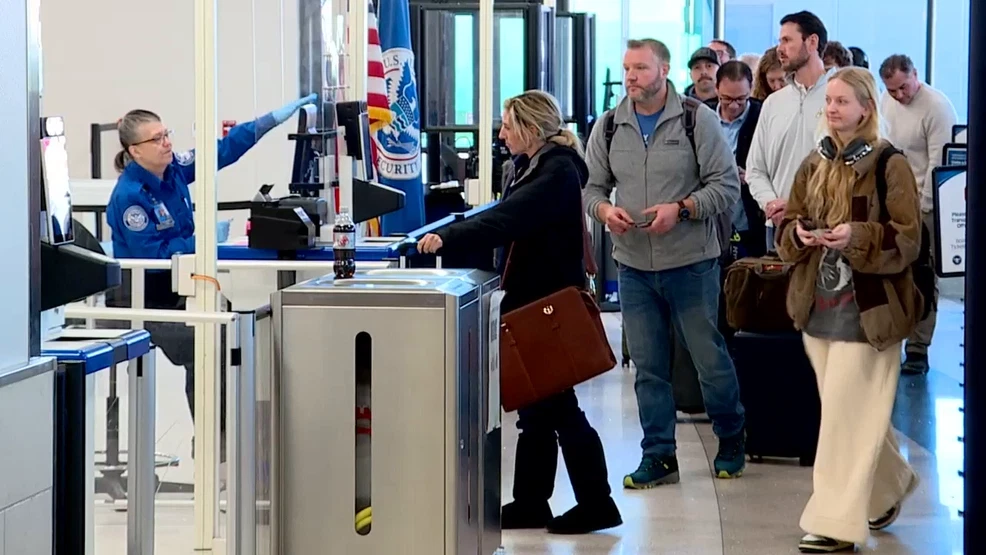
Air travel in the United States has undergone significant changes with the full enforcement of the REAL ID Act. Starting February 1, 2026, the Transportation Security Administration (TSA) introduced a $45 fee for adult travelers attempting to pass through security checkpoints without a REAL ID-compliant driver’s license or another accepted form of identification, such as a valid U.S. passport.
In response, House Republicans Trying to Block New TSA fees have gained attention in recent appropriations debates. This move reflects broader concerns about government overreach, taxpayer burdens, and the implementation of identification standards. This comprehensive guide breaks down the context, reasons behind the Republican efforts, practical implications for travelers, and actionable advice to navigate these changes smoothly.
Understanding the REAL ID Act: A Brief History
The REAL ID Act, passed by Congress in 2005 following the 9/11 Commission recommendations, aimed to establish minimum security standards for state-issued driver’s licenses and identification cards used for federal purposes, including boarding commercial flights.
After years of delays and extensions, enforcement began phasing in during 2025. By May 2025, TSA started requiring compliant IDs, though initial flexibility allowed additional screening for non-compliant travelers. The introduction of the TSA ConfirmID program in February 2026 marked a stricter approach, shifting costs to non-compliant individuals rather than taxpayers.
House Republicans Trying to Block New TSA initiatives highlight ongoing debates about balancing security with accessibility and affordability for American citizens.
What Is the New $45 TSA ConfirmID Fee?
Under the new policy, travelers aged 18 and older without an acceptable ID must pay a non-refundable $45 fee to use the TSA ConfirmID system. This modernized alternative identity verification process uses biometric data and federal databases to confirm identity.
Key details:
- Payment: Made online via Pay.gov in advance or at the airport (recommended in advance to avoid delays).
- Validity: The fee covers a 10-day travel window.
- Process: Expect 10-15 minutes or more for verification at the checkpoint, plus potential additional screening.
- Not Guaranteed: Payment does not ensure passage through security if identity cannot be verified.
This fee applies nationwide and aims to encourage compliance with REAL ID standards while offsetting administrative costs.
Why Are House Republicans Trying to Block New TSA Fees?
House Republicans Trying to Block New TSA fees have incorporated provisions into the annual Department of Homeland Security (DHS) appropriations legislation to halt collection of the $45 fee.
Several factors drive this position:
- Opposition to New Fees on Citizens: Many Republicans view the fee as an unfair burden on law-abiding Americans who may face barriers to obtaining a REAL ID, such as documentation challenges, especially for elderly, low-income, or rural residents.
- Fiscal Responsibility: Critics argue that security costs should be funded through existing appropriations rather than user fees that could disproportionately affect frequent travelers or those with legitimate reasons for non-compliance.
- Encouraging Compliance Without Penalties: Blocking the fee aligns with efforts to promote REAL ID adoption through education and easier access rather than financial penalties.
- Broader Appropriations Strategy: This effort occurs amid larger negotiations on DHS funding, reflecting priorities like efficient government spending and resistance to perceived expansions of fees or mandates.
House Republicans Trying to Block New TSA measures underscore a commitment to protecting travelers from additional costs during a period of economic pressures.
The Political Context and Legislative Developments
The push to block the fee comes amid complex budget discussions. Republicans in the House have used appropriations bills as vehicles to address multiple priorities, including immigration enforcement and overall DHS funding levels.
This stance contrasts with some earlier dynamics around TSA funding but focuses specifically on shielding travelers from the ConfirmID charge. Proponents argue it prevents the executive branch from imposing what they see as a de facto tax without sufficient congressional oversight.
For travelers, understanding this political backdrop helps anticipate potential policy shifts depending on legislative outcomes.
How to Get a REAL ID: Step-by-Step Guide
Obtaining a REAL ID is the most straightforward way to avoid the fee and potential delays.
Required Documents Typically Include:
- Proof of identity (e.g., birth certificate or passport)
- Proof of Social Security number
- Proof of residency (two documents, such as utility bills)
- Lawful status documentation if applicable
Expert Tip: Schedule an appointment at your state’s Department of Motor Vehicles (DMV) well in advance. Many states offer online pre-application tools to speed up the process. Check your state’s DMV website for exact requirements, as they vary slightly.
Real-world scenario: A family planning a summer vacation realizes one parent lacks a REAL ID. By visiting the DMV two months early, they secure compliant licenses and avoid any fees or extra screening.
Alternatives to REAL ID for Air Travel
If you prefer not to upgrade your driver’s license immediately, several options exist:
- U.S. Passport or Passport Card: Universally accepted and often preferred for international travel as well.
- Military ID: For active duty, veterans, and dependents.
- Other TSA-Approved IDs: Such as certain tribal IDs or DHS Trusted Traveler cards (Global Entry, etc.).
- TSA ConfirmID: The paid option, though subject to potential blockage by congressional action.
Comparison Table: REAL ID vs. Alternatives
| Option | Cost | Validity for Flying | Additional Benefits | Drawbacks |
|---|---|---|---|---|
| REAL ID License | Varies by state (~$30-50) | Domestic flights | Standard for most purposes | DMV visit required |
| U.S. Passport | $130+ (new) | Domestic & International | Global travel | Higher upfront cost, renewal |
| TSA ConfirmID Fee | $45 per 10 days | Temporary | No new ID needed | Time-consuming, repeatable |
| Military ID | Free (eligible) | Domestic | Convenient for qualifiers | Limited eligibility |
Passports remain a reliable backup, especially for those who travel internationally.
Benefits and Drawbacks of the TSA Fee Policy
Benefits:
- Encourages higher REAL ID compliance rates (already over 90% in many areas).
- Offsets costs for enhanced verification, potentially improving security.
- Provides an option for last-minute travelers without compliant ID.
Drawbacks:
- Adds financial strain for occasional travelers or those in underserved areas.
- Increases processing times at checkpoints, contributing to longer lines.
- May disproportionately impact certain demographics less likely to have updated IDs.
House Republicans Trying to Block New TSA fees aim to mitigate these drawbacks by removing the financial penalty while still supporting security goals.
Practical Tips for Travelers in 2026
To minimize disruptions:
- Check Your ID Early: Verify if your driver’s license has the gold star or equivalent marking.
- Plan Ahead: Apply for REAL ID or a passport months before travel.
- Use TSA PreCheck or CLEAR: These programs can streamline screening, though they don’t replace ID requirements.
- Prepare Documentation: Carry digital and physical copies of payment receipts if using ConfirmID.
- Monitor Updates: Follow TSA.gov and congressional news for changes to the fee policy.
Actionable advice from experts: Frequent business travelers should prioritize a passport for flexibility. Families should make REAL ID applications a group activity to ensure everyone is covered.
Impact on Different Traveler Groups
- Occasional Leisure Travelers: The fee could turn a budget trip expensive if repeated.
- Frequent Flyers: High costs make REAL ID or passport essential.
- Elderly and Rural Residents: Documentation hurdles may require extra assistance from family or local offices.
- Students and Young Adults: Those moving between states should update IDs promptly.
Understanding these impacts highlights why House Republicans Trying to Block New TSA fees resonates with many constituents seeking fair treatment.
Expert Insights and Future Outlook
Aviation security experts note that standardized IDs enhance threat detection, but implementation must consider public convenience. Legislative efforts to block the fee could lead to policy adjustments, such as extended grace periods or alternative funding mechanisms.
Travelers are encouraged to stay informed via official sources like TSA.gov and their state DMV. As debates continue, bipartisan solutions may emerge to balance security, cost, and accessibility.
Additional Resources:
- Learn more about REAL ID standards for historical context.
- Check current TSA policies on trusted government sites.
Conclusion: Making Informed Travel Decisions
The debate over House Republicans Trying to Block New TSA fees encapsulates larger questions about government mandates, security, and individual responsibilities. By pushing back against the $45 ConfirmID charge, House Republicans advocate for policies that avoid burdening citizens while upholding aviation safety standards established post-9/11.
Key takeaways:
- Prioritize obtaining a REAL ID or passport to ensure hassle-free travel.
- Plan ahead to avoid unexpected fees and delays.
- Stay engaged with legislative developments, as appropriations bills can shift policies quickly.
- Consider broader alternatives like Trusted Traveler programs for efficiency.
By taking proactive steps, travelers can navigate these requirements confidently. Whether you’re a casual flyer or a seasoned globetrotter, understanding the “why” behind these changes empowers smarter choices. Monitor official updates and prepare your documents—smooth journeys await those who plan accordingly. This evolving landscape underscores the importance of accessible, fair policies that serve all Americans.
Related posts:

Why More People Are Switching to Electric Vehicles
Business
5 Business Trends Every Entrepreneur Should Watch in 2026
Business")
Top 7 AI Tools Every Small Business Should Use This Year (2026 Guide)
Business
How Cutting Your Energy Bill Frees Up Money to Invest
Business![Insurance Company in Pakistan]()
Which Auto Insurance Company Offers the Cheapest Rates in 2026?
Business
How Continuous Testing Improves Software Quality and Accelerates Release Cycles
Business