EV and Hybrid Repair Readiness Guide for Independent Auto Shops
Hybrids hit 16% of U.S. sales in 2026. This guide shows independent auto shops the training, safety gear and tools needed for EV and hybrid repair.

To get an independent auto shop ready for EV and hybrid repair in 2026, start with high-voltage safety training, Class 0 insulating gloves rated for 1,000 volts, a CAT III or CAT IV meter and a marked high-voltage work area, then add scan tools and battery service equipment as demand grows. Hybrids are the bigger near-term opportunity: they reached a record 16% of U.S. light-duty sales in the second quarter of 2026, while battery EVs held around 6%.
Many independent shop owners have been told for years that EVs will “kill the repair business.” The reality in 2026 is more practical. Hybrids are selling fast, EVs are recovering slowly, and both still need brakes, tires, suspension, cooling systems, 12-volt batteries and diagnostics.
This guide is an EV and hybrid repair readiness plan for independent auto shops: the training, safety gear, tools and business steps you need to service electrified vehicles safely and profitably.
High-voltage systems can cause serious injury or death. Only trained technicians with the right protective equipment should work on orange cables, battery packs or power electronics. This article is general information, not a substitute for formal safety training.
How big is the electrified vehicle market in 2026?
- The U.S. Energy Information Administration reported that hybrid, plug-in hybrid and battery electric vehicles made up 24% of new light-duty vehicle sales in the second quarter of 2026, with hybrids alone at a record 16%.
- Cox Automotive reported that EVs reached about 6.4% of new-vehicle sales in the third quarter of 2026, and nearly 25% of sales were electrified in some way.
- Used EV sales have also grown, which means more electrified cars are leaving warranty and looking for independent shops.
The takeaway: most electrified cars coming into your bays over the next few years will be hybrids, many of them from Toyota and Honda.
What work can you do without touching high voltage?
A lot. Electrified vehicles still need routine services that do not require opening high-voltage systems:
- Tires, alignment and suspension
- Brakes (often lasting longer due to regenerative braking, but calipers and fluid still need service)
- Cabin filters, wipers and HVAC service
- 12-volt battery testing and replacement
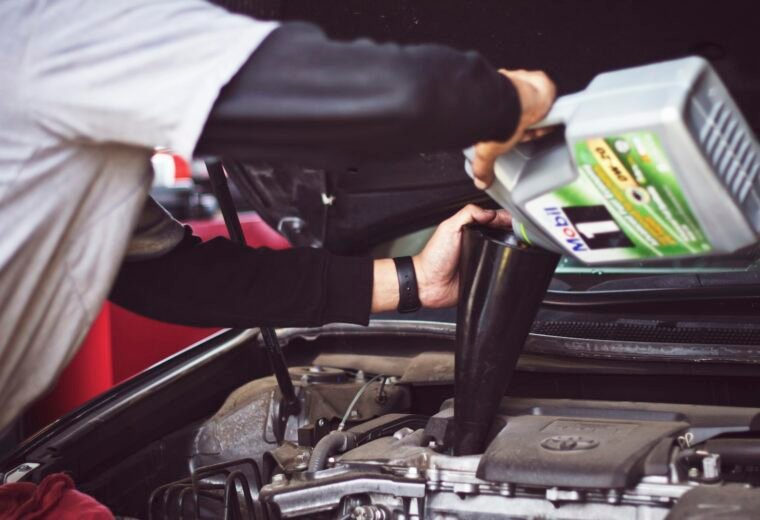
- Engine service on hybrids: oil changes, spark plugs and cooling systems
This is where most shops should start. You build customer trust while you train for deeper work.
EV readiness checklist: training, gear and tools
| Area | What you need | Why it matters |
|---|---|---|
| Safety training | High-voltage safety course for every technician; ASE xEV safety certification as a baseline | Everyone in the shop must recognize high-voltage hazards |
| Advanced certification | ASE L3 Light Duty Hybrid/Electric Vehicle Specialist for lead techs | Shows customers and insurers real expertise |
| Protective gear | Class 0 insulating gloves (1,000V AC) with leather protectors, face shield, insulated tools | Gloves must be inspected before use and periodically retested |
| Meters | CAT III or CAT IV rated multimeter and insulation tester | Safe voltage and isolation checks |
| Work area | Marked, roped-off bay with signage and a rescue hook | Keeps untrained staff away during HV work |
| Diagnostics | Scan tool with hybrid and EV coverage, repair information subscription | Battery, inverter and charging diagnostics |
| Battery service | Battery lift table and storage plan for damaged packs | Needed only when you move into pack work |
Insulating gloves are only as safe as their last test. Inspect them with an air test before each use, log the retest dates, and replace any pair with cuts, punctures or swelling.
A step-by-step upgrade plan
- Audit your car count. Pull a report of hybrids and EVs you already see. Toyota and Honda hybrids are usually the largest group.
- Train everyone in safety, including service advisors who move cars and talk to customers.
- Buy core safety gear before any high-voltage work: gloves, protectors, rated meter, signage.
- Certify one lead technician with ASE L3 and hands-on hybrid training.
- Upgrade diagnostics and repair information for the brands you see most.
- Start with hybrid services such as inverter coolant, hybrid battery cooling fan cleaning and 12-volt systems.
- Add advanced work like battery module diagnostics only when volume justifies the investment.
- Market it. Update your website, Google Business Profile and reminders to say you service hybrids and EVs.
A real-world example
A three-bay shop notices that 18% of its cars are hybrids, mostly Priuses, Camrys and RAV4s. The owner sends two technicians to a hybrid safety course, buys a glove kit and a rated meter, and puts one tech through ASE L3 study. Within a few months, the shop adds hybrid battery cooling service and inverter coolant changes to its menu, work that customers previously took to the dealer.
Do you need an EV charger at the shop?
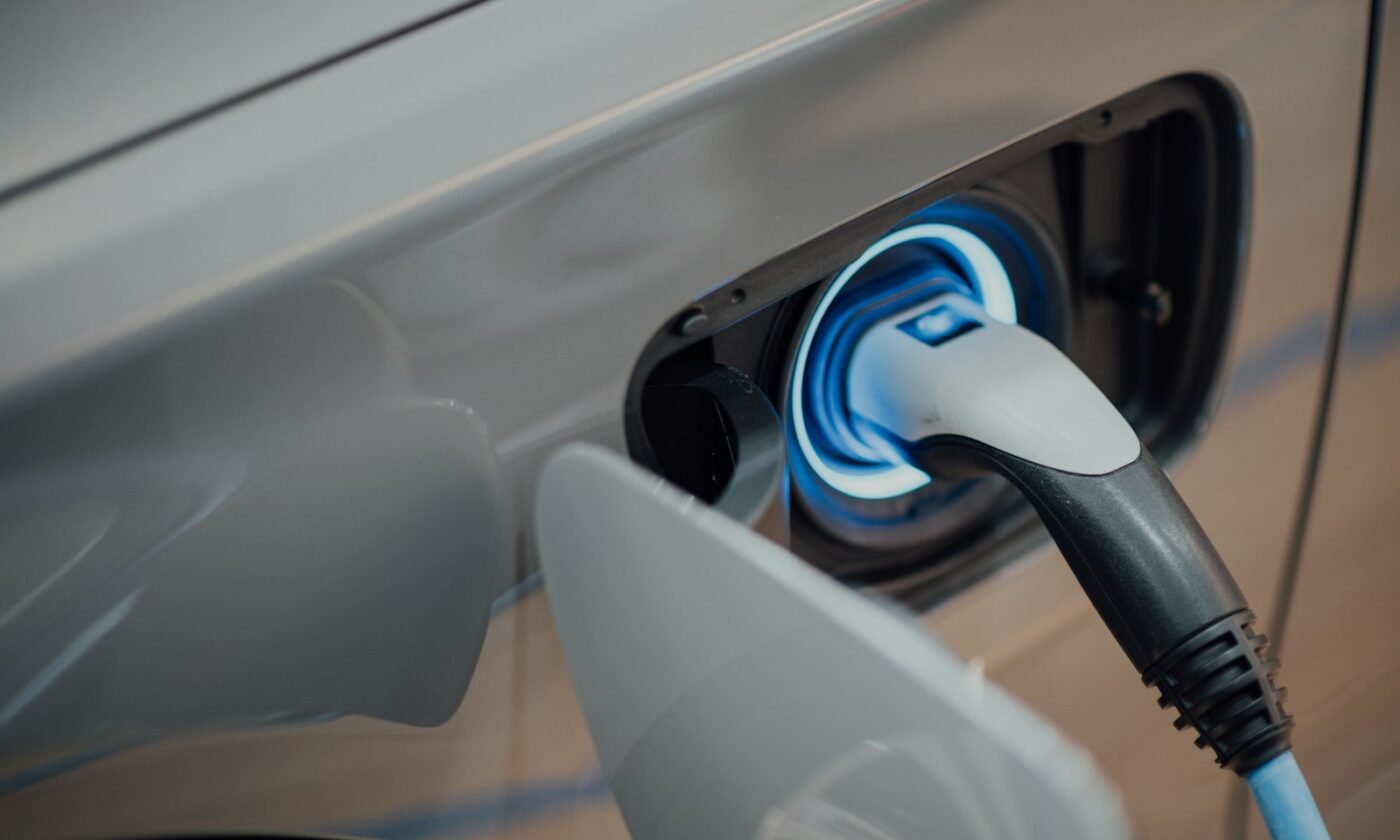
Not on day one. Many service jobs need only a modest state of charge. A Level 2 charger becomes useful once you regularly road-test EVs, run software updates, or keep cars overnight. Check your electrical panel capacity before you buy.
How to price EV and hybrid services
Electrified work often takes longer at first, and it requires training and equipment you paid for. Price it accordingly:
- Use labor guides that include hybrid and EV procedures, and add time for safety steps like disabling the high-voltage system.
- Charge for diagnostics separately. Battery and inverter faults can take real time to trace.
- Bundle maintenance into hybrid service packages, such as battery cooling fan cleaning plus a 12-volt test.
- Be transparent. Explain to customers why safety procedures add time; most appreciate the honesty.
Track the profit on each electrified job for a few months. That data will tell you whether to invest in deeper battery work or keep focusing on maintenance.
3 common mistakes to avoid
- Letting untrained staff touch orange cables. Even moving a damaged EV can be risky. Set clear rules.
- Buying expensive pack equipment too early. Start with services you can sell now and grow into battery work.
- Forgetting insurance. Ask your insurer whether high-voltage work changes your coverage.
Your shop software should track which technicians are certified and which jobs need them; see our comparison of garage management software for independent shops. Hiring a trained technician? Our guide on how to hire your first employee covers the basics, and our year-end tax moves for 2026 explains how equipment purchases may affect your taxes.
Frequently asked questions
Can an independent shop legally work on EVs?
Yes. Independent shops can service EVs and hybrids, but they must follow workplace safety rules and manufacturer procedures. Proper training, protective equipment and repair information are essential before any high-voltage work.
What certification do EV technicians need?
There is no single federal license, but the ASE L3 Light Duty Hybrid/Electric Vehicle Specialist certification is widely recognized. ASE also offers xEV electrical safety certifications for technicians who need safety awareness.
What safety gear is required for hybrid repair?
At minimum, Class 0 insulating gloves rated for 1,000 volts with leather protectors, eye or face protection, a CAT III or CAT IV meter, insulated tools and a marked work area. Follow the vehicle maker’s procedures for disabling the high-voltage system.
Are EVs cheaper to maintain than gas cars?
EVs skip oil changes and many engine services, but they still need tires, brakes, suspension and cabin service, and they can wear tires faster due to weight and torque. Hybrids still need engine maintenance.
Bottom line
EV readiness is not one big purchase. It is a series of steps: train for safety, equip properly, certify a lead technician, and start with hybrid services you can sell today. Shops that prepare now will keep customers who would otherwise go back to the dealer.
This article is general information and not safety, legal or insurance advice. Learn more from ASE certification resources and the U.S. EIA vehicle sales analysis.

Michael Grant
Michael Grant writes about AI tools, automation and business technology for BusinessToMark. He focuses on practical, step-by-step guides that help small businesses compare software, understand real costs and save time on everyday work.