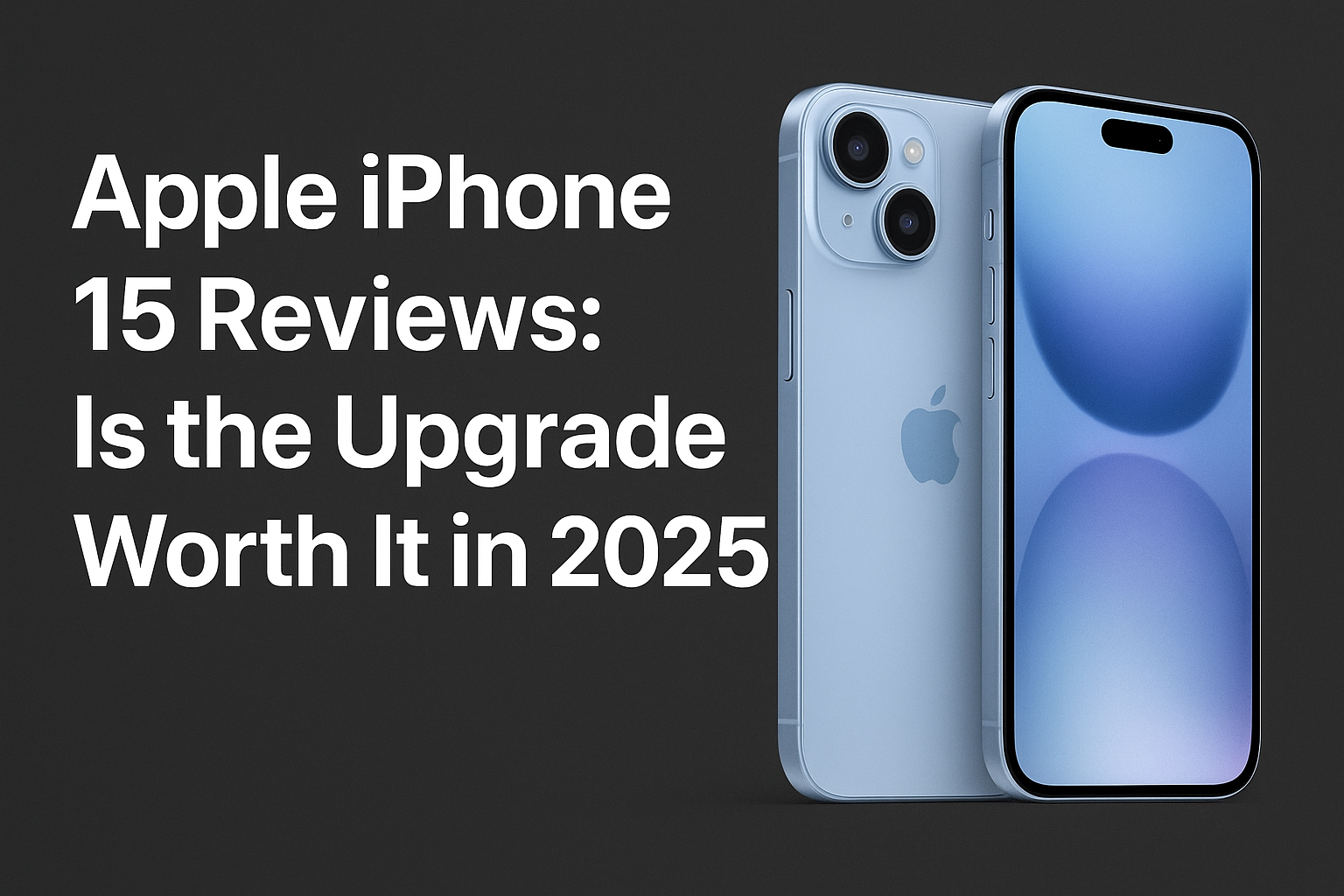
When Apple launched the iPhone 15 in 2023, it represented a significant evolution in the company’s smartphone lineup, introducing features like the universal USB-C port and bringing the Dynamic Island to all models. As we approach the end of 2025, with both the iPhone 16 and iPhone 17 series now available, many consumers are wondering whether the iPhone 15 remains a smart purchase. This comprehensive review examines how Apple’s former flagship holds up against newer competition and whether it represents good value in today’s market.
The iPhone 15 in Today’s Market Context
The smartphone landscape has evolved considerably since the Apple iPhone 15 review. Apple has since released two additional generations, including the more affordable iPhone 16e and the advanced iPhone 17 series. While Apple no longer sells the standard iPhone 15 directly through its website (though it does offer the 15 Plus and Pro models through its Certified Refurbished Store), the device remains available through various carriers, retailers, and refurbished programs, often at significantly discounted prices .
This pricing shift positions the iPhone 15 differently in 2025. Instead of competing as a premium flagship, it now occupies a intriguing space in the market as a high-performance device available at mid-range prices. For many consumers, this creates an appealing value proposition: access to what was once top-tier Apple engineering and features without the premium cost associated with the latest releases.
Key Features and Performance Analysis in 2025
Display and Design
The iPhone 15’s 6.1-inch Super Retina XDR display with Dynamic Island continues to provide an excellent visual experience, though it lacks the 120Hz ProMotion refresh rate found on Pro models and the newer base iPhone 17 . The display reaches a peak brightness of 2,000 nits, which remains competitive for outdoor visibility, though it falls short of the iPhone 17’s 3,000 nits .
The transition to USB-C marked a significant milestone for the iPhone 15 series, creating greater compatibility with other modern devices like iPads, MacBooks, and even Android phones . This universal connectivity remains a substantial quality-of-life improvement, especially for those entrenched in the Apple ecosystem with multiple devices.
Camera Capabilities
The 48-megapixel main camera was a major upgrade when the iPhone 15 launched, and it continues to deliver impressive results in 2025. This sensor provides excellent detail and performs well in various lighting conditions, with a particularly effective 2x optical-quality zoom that uses the central portion of the high-resolution sensor .
However, the camera system does show its limitations when compared to newer models. It lacks the 48-megapixel ultrawide camera found on the iPhone 17 and must make do with a 12-megapixel sensor instead . For most everyday photography needs—from family gatherings to vacation shots—the iPhone 15’s camera remains more than capable, though serious photography enthusiasts might prefer the additional flexibility offered by newer devices.
Performance and Battery Life
Powered by the A16 Bionic chip, the iPhone 15’s performance remains robust in 2025. Both standard applications and demanding tasks like gaming run smoothly without noticeable hiccups . The A16 Bionic, originally featured in the iPhone 14 Pro models, continues to handle iOS 26 efficiently, demonstrating Apple’s hardware longevity.
Battery performance has become a point of differentiation between models. While the iPhone 15 was considered solid in its day, newer budget options like the iPhone 16e have demonstrated superior battery longevity, with Apple claiming 26 hours of video playback compared to the iPhone 15’s approximately 21 hours . For heavy users, this difference could be significant in daily use.
Table: iPhone 15 Key Specifications in 2025 Context
| Feature | iPhone 15 | Key Differences in Newer Models |
|---|---|---|
| Processor | A16 Bionic | iPhone 16e has more efficient C1 cellular chip |
| Display | 6.1″ Super Retina XDR (60Hz) | iPhone 17 has 120Hz ProMotion |
| Main Camera | 48MP | Comparable resolution but newer processing in later models |
| Front Camera | 12MP | iPhone 17 has Center Stage with 18MP |
| Connectivity | USB-C, Wi-Fi 6 | iPhone 16/17 have Wi-Fi 7 support |
| Battery Life | All-day battery | iPhone 16e offers 23% longer video playback |
| Special Features | Dynamic Island | Lacks Action Button (iPhone 16+) and Apple Intelligence |
Software Support and Long-Term Viability
The iPhone 15 launched with iOS 17 and currently runs iOS 26 seamlessly . Based on Apple’s historical support patterns, the device will likely receive major iOS updates until at least 2028, with security patches continuing beyond that timeframe .
One significant limitation for the base iPhone 15 and 15 Plus is their incompatibility with Apple Intelligence, Apple’s AI ecosystem. With only 6GB of RAM, these models don’t meet the hardware requirements for these features . The iPhone 15 Pro and Pro Max models do support Apple Intelligence, creating a notable division within the same generation .
This limitation could affect the long-term relevance of the base iPhone 15 as Apple continues to integrate AI features throughout its operating system. For users who don’t anticipate using these AI tools, this may not be a concern, but it’s worth considering for those who plan to keep their device for several years.
Reasons the iPhone 15 Remains a Worthwhile Purchase
Exceptional Value at Current Prices
The most compelling argument for choosing an iPhone 15 in 2025 is its price-to-performance ratio. With discounts often placing it below the cost of newer entry-level models like the $599 iPhone 16e, the iPhone 15 offers access to what was recently premium technology at an accessible price point . For budget-conscious consumers who still want a high-quality iPhone experience, this represents outstanding value.
Robust Core Features That Withstand Time
Many of the iPhone 15’s flagship features continue to satisfy typical user needs. The 48-megapixel camera captures excellent photos, the A16 Bionic chip handles everything from daily tasks to intensive applications, and the USB-C connectivity aligns with modern standards . The Dynamic Island, while not revolutionary, provides useful ongoing notifications and system status updates that remain functional and relevant.
Proven Reliability and Software Support
Having been on the market for nearly two years, the iPhone 15 has demonstrated its long-term reliability, with any early issues identified and addressed. The continued software support guarantees that the device will remain secure and functional for years to come, protecting the investment .
Reasons to Consider Newer Alternatives
Missing Modern AI Capabilities
The inability to run Apple Intelligence features represents the most significant limitation for the base iPhone 15 models in 2025 . As Apple continues developing its AI ecosystem, this gap will likely become more pronounced. Features like AI-powered writing tools, advanced photo editing, and a smarter Siri are exclusive to compatible models, potentially shortening the iPhone 15’s functional relevance.
Battery Life Advancements in Newer Models
Newer iPhones, including the budget-focused iPhone 16e, demonstrate meaningful improvements in battery technology . The iPhone 16e’s specialized C1 cellular chip processes power more efficiently, resulting in significantly longer usage times between charges. For users who prioritize battery life, these newer models offer a tangible advantage.
Hardware Innovations in Recent Releases
The Action Button, introduced on iPhone 15 Pro models and standard on iPhone 16 series, provides convenient shortcuts to frequently used features . Similarly, the base iPhone 17 now includes a 120Hz ProMotion display and always-on capability, features previously reserved for Pro models . These hardware improvements enhance the user experience in meaningful ways that the iPhone 15 cannot replicate.
Conclusion: Who Should Consider the iPhone 15 in 2025?
The iPhone 15 remains a compelling choice for specific user profiles in 2025:
Ideal For:
-
Budget-focused shoppers seeking premium features at reduced prices
-
Upgraders from older iPhones (iPhone 12 or earlier) who will appreciate significant improvements
-
Practical users who prioritize proven performance over cutting-edge AI features
-
Ecosystem enthusiasts who value USB-C compatibility across devices
Better Alternatives Available For:
-
AI feature enthusiasts who want access to Apple Intelligence capabilities
-
Heavy users who prioritize maximum battery performance
-
Display enthusiasts who value 120Hz ProMotion technology
-
Future-focused buyers who want the longest possible device relevance
The iPhone 15 occupies a unique position in Apple’s 2025 lineup—no longer the latest, but still offering substantial quality and performance at attractive price points. While it lacks some cutting-edge features found in newer models, its core functionality remains excellent for most daily tasks. For the right user, particularly those finding it at a significant discount, the iPhone 15 can represent a smart, value-conscious choice that delivers a premium iPhone experience without the premium price tag.
Frequently Asked Questions (FAQ)
Q1: Is the iPhone 15 too old to buy in 2025?
Not at all. The iPhone 15 remains a powerful and capable device in 2025. It continues to receive the latest iOS updates (currently iOS 26) and will likely receive major software updates until at least 2028, with security patches continuing beyond that .
Q2: Does the iPhone 15 support Apple Intelligence features?
The base iPhone 15 and iPhone 15 Plus do not support Apple Intelligence due to having only 6GB of RAM, which doesn’t meet the hardware requirements. However, the iPhone 15 Pro and Pro Max models do support Apple Intelligence .
Q3: How does the iPhone 15’s camera compare to newer models?
The 48-megapixel main camera still takes excellent photos, but it lacks advancements found in newer models. Compared to the iPhone 17, it has a lower-resolution 12MP ultrawide camera (vs. 48MP) and doesn’t feature capabilities like the Center Stage front camera that can take horizontal selfies when held vertically .
Q4: What is the biggest compromise when choosing an iPhone 15 in 2025?
The most significant compromises are the lack of Apple Intelligence support, shorter battery life compared to newer models like the iPhone 16e, and the absence of features like the Action button and 120Hz ProMotion display found on more recent iPhones .
Q5: Where can I buy an iPhone 15 in 2025 since Apple no longer sells it new?
While Apple no longer sells the standard iPhone 15 new on its website, you can find it through Apple’s Certified Refurbished program, carrier deals, authorized resellers, and other retailers clearing remaining stock. These sources often offer significant discounts .
Q6: Is the iPhone 15 better than the more affordable iPhone 16e?
It depends on your priorities. The iPhone 16e offers better battery life and supports Apple Intelligence, while the iPhone 15 typically has better build materials and an ultrawide camera. If you can find the iPhone 15 at a lower price than the 16e, it may represent better value, particularly if Apple Intelligence isn’t important to you .
Q7: How does the iPhone 15’s performance hold up for gaming and demanding apps?
The A16 Bionic chip in the iPhone 15 continues to handle demanding games and applications smoothly in 2025. While not as powerful as the processors in the latest iPhone 17 series, it remains capable and shouldn’t struggle with any current mobile applications or games .
Q8: Should I buy an iPhone 15 or spend more for an iPhone 17?
If your budget allows, the iPhone 17 offers significant improvements including a 120Hz ProMotion display, better battery life, more advanced cameras, and support for all Apple Intelligence features. However, if you can find the iPhone 15 at a substantial discount, it remains an excellent value for money .