Lightsaber Business 101: How to Start a Prop, Replica and Collectibles Business the Legal Way

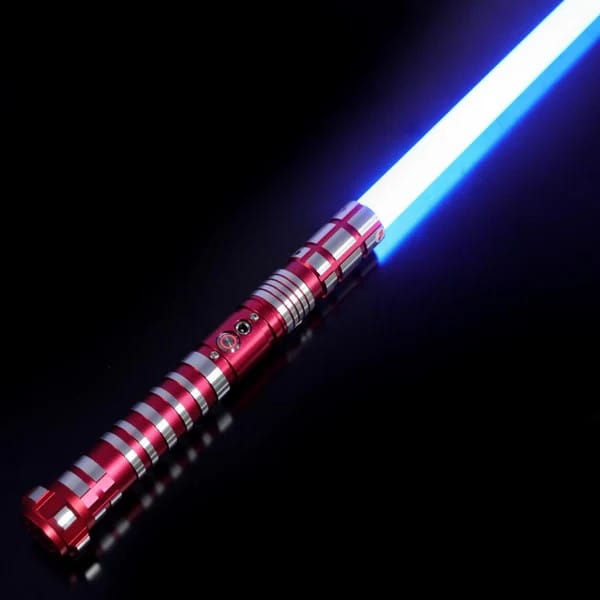
Few fantasy props are as recognisable as the glowing sword from a famous space saga. Fans buy them for costumes, display, stage combat and even sport-style duelling, and a whole niche of makers and sellers has grown up around them. If you are thinking of starting a lightsaber-style business, there is a real market, but there are also legal traps that can sink a young company. The most important is intellectual property: names, designs and brand marks that belong to major entertainment companies cannot be copied freely. This guide covers how to research the niche, choose a product, source and make items safely, price them, market them and stay on the right side of trademark and copyright law. It is general information, not legal advice, so speak to an intellectual property lawyer before launching. For a general starting point, see our guide to turning thoughts into action with strategic business plans.
Understand the Market
Customers in this niche fall into several groups, and each wants something different.
| Customer group | What they want | Typical priorities |
| Cosplayers and costume wearers | Light, affordable props that look good in photos | Appearance, weight, price |
| Collectors | Detailed display pieces with premium finish | Quality, accuracy, packaging |
| Duelling hobbyists and performers | Durable blades and secure construction | Strength, safety, balance |
| Gift buyers | Ready-to-use items for fans | Price, presentation, delivery time |
| Event and theatre buyers | Props in bulk, with consistent look | Reliability, bulk pricing |
Before investing, research competitors. Study their products, prices, shipping times, reviews and the complaints customers repeat. Gaps, such as poor packaging, weak customer service or lack of beginner-friendly options, are opportunities.
The Legal Foundation: Trademarks and Copyright
This section matters more than any other. Famous franchises protect their names, logos, character designs and specific prop designs. Using the franchise name, logos or look-alike branding to sell products can lead to takedowns, lawsuits and losing your sales accounts. Generic concepts, such as a glowing energy blade, are different from copying a particular trademarked design or name, but the line is not always clear.
- Do not use famous franchise names, logos or character names in your brand, product titles or advertising
- Do not claim that your products are official or licensed unless you hold a licence
- Create original designs and original names
- Search trademark databases before choosing a brand name
- Consider seeking an official licence if you want to sell franchise-branded merchandise
- Keep records of your own design work
In the United States, you can search registered trademarks through the USPTO trademark system, and the US Copyright Office explains what copyright covers. Our guide to copyright versus trademark breaks down the difference in plain language. If you are outside the US, consult your local intellectual property office.
Choose a Product Line
- Original fantasy energy-blade props with your own branded designs
- LED sabres for cosplay, with different colours and lighting modes
- Display stands, wall mounts and cases
- Accessories: hilts, belt hangers, holsters and carry cases
- Care products: blade cleaning kits and spare batteries
- Educational or DIY kits that teach electronics and assembly
- Costume pieces that match the fantasy theme without copying specific characters
Start with a small range. Two or three well-made products beat a long list of average ones.
Sourcing and Manufacturing
- Decide whether you will make items yourself, work with a manufacturer or buy from a wholesaler
- Request samples before ordering in volume, and test them for strength, brightness and battery life
- Ask suppliers for certification and test reports for electronics and batteries
- Check minimum order quantities and lead times
- Negotiate pricing based on volume and agree quality standards in writing
- Keep a backup supplier in case of delays
- Plan for returns, repairs and spare parts
Quality is crucial. Cheap, brittle blades and unreliable electronics cause refunds and bad reviews quickly.
Safety and Compliance
- Use batteries and chargers that meet safety standards in your market, and follow shipping rules for lithium batteries
- Label products with clear age recommendations and safety warnings
- Be honest about duelling suitability; do not market a decorative prop as safe for contact use
- Avoid sharp edges, loose parts and overheating components
- Check toy, electrical and consumer product regulations where you sell, and get any required marks
- Carry product liability insurance
Rules on toys and electronics differ by country and product type, so research the regulations before you ship. In the US, the Consumer Product Safety Commission provides guidance for sellers on its site.
Pricing Your Products
Calculate your cost per unit: product cost, packaging, shipping, payment fees, marketplace fees, returns allowance and a share of overheads. Aim for a gross margin that leaves room for marketing and growth. Compare your prices with competitors, but compete on quality and service, not just price. Premium customers will pay more for better craftsmanship, secure packaging and responsive support.
Build a Brand That Stands on Its Own
- Choose a distinctive, original name and logo
- Tell the story of your designs and your workshop
- Show behind-the-scenes content: assembly, testing, painting
- Photograph products in action, in good lighting, from several angles
- Collect and share customer photos and reviews
- Create a clear returns policy and warranty
Marketing Channels
| Channel | How to use it | Tip |
| Your own website | Show products, tell your story and collect emails | Invest in clear photos and fast pages |
| Marketplaces | Reach shoppers who already search for props | Read the rules on branded items to avoid removal |
| Social video | Demonstrate lighting, sound and durability | Short clips of real use perform well |
| Conventions and fan events | Meet customers, collect feedback and sell directly | Check stall rules and insurance |
| Announce new designs and restocks | Offer a small incentive for sign-ups | |
| Collaborations | Work with costume makers and performers | Provide products and agree clear terms |
Search engine visibility also helps. Write product descriptions that explain materials, size, weight, lighting options and care, and answer common questions. Avoid keyword stuffing and trademarked terms. [CLIENT LINK PLACEHOLDER]
A Starter Plan
- Write a short business plan that covers customers, products, costs and goals
- Register your business and check licences and sales tax rules
- Choose an original brand name and check its availability
- Develop two or three original designs and test prototypes
- Order a small first batch and set up your online store
- Launch with a clear returns policy and secure packaging
- Collect feedback and reviews, then improve and expand
Frequently Asked Questions
Can I sell lightsaber-style props?
Generic fantasy energy-blade props are sold by many businesses, but you must not use protected names, logos or copied designs. Get legal advice for your products.
Do I need a licence?
A licence is needed to sell official franchise-branded products. For original designs, you need ordinary business registrations, not a franchise licence.
Are LED sabres safe for duelling?
Only if they are designed and tested for contact use. Be clear in your marketing about the intended use.
How much does it cost to start?
It depends on whether you make, source or wholesale. Many sellers begin with a small batch and grow from sales.
The Bottom Line
A prop and collectibles business can be rewarding if you treat it as a real company: research your customers, build original products, take safety and law seriously and offer excellent service. Respect other people’s trademarks and copyrights, and build your own brand. Fans of fantasy props love craftsmanship, and a business that delivers it honestly can find a loyal audience.

Daniel Reyes
Daniel Reyes leads the Businesstomark editorial desk, covering business news, company strategy and the tech products that shape how people work. He focuses on clear, practical explainers that help readers make smarter decisions, from choosing tools to understanding market moves.