In this article
- Introduction
- What Is a Tech Camera?
- How a Tech Camera Works
- The Most Important Tech Camera Features in 2026
- Tech Camera vs. Smartphone Camera
- Tech Camera Types Explained
- Comparison Table: Which Camera Technology Fits Your Needs?
- How to Choose the Right Tech Camera
- Step-by-Step Guide to Setting Up a New Tech Camera
- Common Tech Camera Mistakes to Avoid
- The Future of Camera Technology
- Conclusion
Introduction
A camera used to be relatively simple: light entered through a lens, an image was recorded, and the photographer handled most of the creative decisions. Today, a tech camera can do considerably more.
Modern cameras combine sophisticated sensors, powerful processors, intelligent autofocus, stabilization, wireless connectivity, and increasingly advanced AI-assisted features. Some systems can recognize subjects, follow moving people or animals, adjust exposure, reduce noise, and help users capture sharp images with less manual intervention.
This evolution is happening across dedicated cameras and smartphones. Industry coverage in 2026 shows that camera development is increasingly focused on AI, computational photography, subject recognition, real-time processing, and even cameras designed to help machines understand what they see.
 Also readChatGPT vs Google Gemini: I Used Both for 6 Everyday Tasks — Here’s the Winner
But more technology does not automatically mean better photographs.
The best camera is still the one that matches your needs, experience, subject, and shooting style. Understanding the technology behind a modern camera makes it much easier to separate useful features from marketing buzzwords.
Let’s look at what today’s tech camera systems actually offer and how to choose one intelligently.
What Is a Tech Camera?
The term “tech camera” isn’t a strict technical category like “mirrorless camera” or “DSLR.” Instead, it can be used broadly to describe a modern camera system where advanced hardware and software play an important role in image capture.
A contemporary camera may combine:
- A digital image sensor
- Interchangeable or fixed lenses
- Advanced autofocus
- AI-assisted subject detection
- Image stabilization
- High-speed image processors
- Computational image processing
- High-resolution video
- Wi-Fi and Bluetooth
- Smartphone connectivity
- Electronic viewfinders
- Automated exposure and color processing
Digital cameras fundamentally capture light using electronic image sensors and convert that information into digital data. The resulting files can then be stored, displayed, edited, or transmitted electronically.
The important change is that the camera is no longer simply recording what the sensor sees.
It is increasingly interpreting and processing that information before the final image reaches your screen.
How Camera Technology Has Evolved
The transition from film to digital photography was already a major technological shift. The development of digital imaging dates back decades, while consumer digital cameras became mainstream during the 1990s and 2000s.
The next major shift came from smartphones.
Because phones combine cameras with extremely powerful processors and software, manufacturers could use multiple exposures, machine learning, computational processing, and sophisticated algorithms to improve photographs.
Dedicated cameras have followed a similar direction.
Modern mirrorless systems, for example, can use advanced subject recognition and sensor-based autofocus to track people, animals, vehicles, and other subjects.
Why Modern Cameras Are More Than Image-Capture Devices
Imagine photographing a running dog.
With an older camera, you might have to select an autofocus point, anticipate movement, maintain focus, and adjust exposure yourself.
A modern camera can potentially detect the animal, recognize it as a subject, track its movement across the frame, and continuously adjust focus.
That doesn’t eliminate the photographer.
Instead, it allows the photographer to spend more attention on composition, timing, and storytelling.
How a Tech Camera Works
Understanding the basic components helps you make better buying decisions.
The Lens
The lens controls how light enters the camera and strongly influences the appearance of the final image.
Important lens characteristics include:
- Focal length
- Maximum aperture
- Optical quality
- Stabilization
- Minimum focusing distance
- Autofocus performance
A wide-angle lens can be useful for landscapes and architecture, while a telephoto lens is more appropriate for wildlife or distant subjects.
This is why buying a camera body without considering its lens ecosystem can be a mistake.
The camera may be excellent, but your results will still depend heavily on the glass attached to it.
The Image Sensor
The sensor is one of the most important components inside a digital camera.
It converts incoming light into electronic information that can be processed into an image.
Sensor size can affect several aspects of photography, including low-light performance, depth of field, dynamic range, and overall system size.
Common sensor formats include:
- Full frame
- APS-C
- Micro Four Thirds
- Medium format
- Smaller sensors used in compact cameras and smartphones
A larger sensor isn’t automatically better for every photographer.
A travel photographer may value a smaller and lighter system, while a professional portrait or commercial photographer may prioritize larger sensors and interchangeable lenses.
The Image Processor
The sensor captures information, but the processor helps turn that information into a usable photograph.
Modern image processors can handle tasks such as:
- Noise reduction
- Sharpening
- Color processing
- HDR processing
- Autofocus calculations
- Subject recognition
- Video encoding
- Lens corrections
This is one reason two cameras with apparently similar sensor specifications can produce noticeably different results.
Autofocus
Autofocus has become one of the most technologically advanced parts of modern cameras.
Many current systems use subject recognition and machine-learning techniques to identify objects and maintain focus on them. TechRadar has documented how deep-learning-based autofocus can help cameras recognize and track different subjects.
Canon, for example, describes its Dual Pixel CMOS AF technology as using pixels on the imaging sensor for focus information, enabling smooth focus transitions in compatible cameras.
For anyone photographing sports, wildlife, children, pets, or events, autofocus can be more important than having an enormous megapixel number.
Stabilization
Camera shake can ruin an otherwise well-composed photograph.
Image stabilization attempts to compensate for movement by shifting optical elements, the sensor, or using electronic processing depending on the system.
Stabilization is particularly useful when:
- Shooting handheld in low light
- Recording video
- Using longer lenses
- Photographing static subjects at slower shutter speeds
However, stabilization cannot freeze a moving subject. If a person is moving quickly, you may still need a faster shutter speed.
The Most Important Tech Camera Features in 2026
Technology changes quickly, but some developments are particularly useful.
AI-Powered Autofocus
AI-assisted autofocus is one of the most practical improvements in modern photography.
Instead of simply finding contrast or edges, advanced systems can identify subjects and predict their movement.
Depending on the camera, subject detection may include:
- People
- Faces and eyes
- Animals
- Birds
- Vehicles
- Aircraft
- Insects
- Sports subjects
The advantage is straightforward: the camera can spend more effort maintaining focus while you concentrate on framing.
However, AI autofocus shouldn’t be treated as magic.
Poor lighting, obstructions, unusual movement, and confusing backgrounds can still challenge autofocus systems.
Computational Photography
Computational photography is especially important in smartphones, but the concept influences the wider camera industry.
Instead of relying on one exposure, software can combine multiple pieces of image information to improve the final result.
Processing can help with:
- Dynamic range
- Noise reduction
- HDR
- Detail recovery
- White balance
- Sharpening
- Portrait effects
- Low-light photography
TechRadar notes that AI-powered systems are increasingly being used for tasks such as autofocus, exposure, white balance, tonal adjustments, sharpening, and noise reduction.
The result can look impressive, but photographers should remember that software processing is part of the image-making process.
High-Resolution Sensors
More megapixels can provide additional cropping flexibility and detail.
But resolution isn’t the only factor that determines image quality.
A camera with a sensible resolution, strong lens, good sensor performance, reliable autofocus, and effective processing may be more useful than a camera marketed primarily around a huge megapixel count.
Think of megapixels as one ingredient rather than the entire recipe.
Electronic Viewfinders
Mirrorless cameras typically use electronic viewfinders rather than the optical viewfinder system associated with traditional DSLRs.
An electronic viewfinder can show a preview of exposure, white balance, and other settings before you capture the image.
This can be extremely useful when learning manual photography.
Instead of guessing what your exposure will look like, you can often see a close representation before pressing the shutter.
Video Technology
Today’s cameras increasingly function as hybrid photo-and-video tools.
Depending on the model, features can include:
- 4K recording
- High frame rates
- Log recording
- External microphone support
- Headphone monitoring
- Image stabilization
- Subject tracking
- High-quality internal codecs
For content creators, the combination of reliable autofocus, stabilization, audio options, and lens flexibility may be more valuable than maximum still-image resolution.
Connectivity
Wi-Fi and Bluetooth have changed how photographers transfer images.
Instead of removing a memory card every time, many cameras can connect to smartphones for:
- Image transfer
- Remote shooting
- Camera control
- Firmware-related functions
- Quick social-media sharing
For travelers and creators, connectivity can save significant time.
Tech Camera vs. Smartphone Camera
Smartphones have become surprisingly capable photography tools.
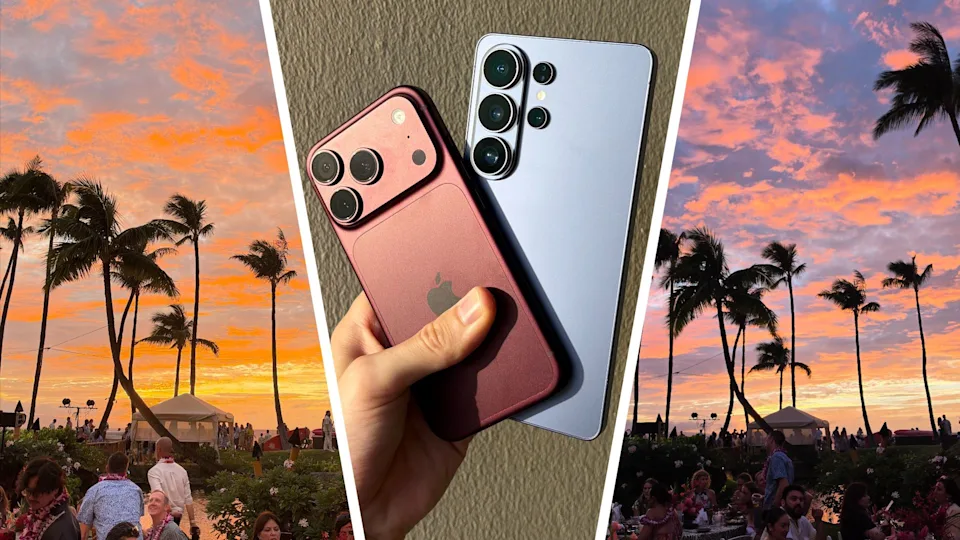
Current flagship phones increasingly use multiple cameras, computational photography, AI-assisted processing, and sophisticated video stabilization. TechRadar’s 2026 testing continues to place smartphone cameras alongside dedicated cameras as serious photography tools for different use cases.
But dedicated cameras still have important advantages.
| Feature | Tech Camera / Dedicated Camera | Smartphone Camera |
|---|---|---|
| Sensor size | Often larger | Usually smaller |
| Lens flexibility | Excellent with interchangeable lenses | Limited to built-in modules |
| Manual controls | Extensive | Available, but varies |
| Portability | Moderate to low | Excellent |
| Computational processing | Advanced | Extremely advanced |
| Optical zoom options | Excellent with suitable lenses | Depends on model |
| Ergonomics | Designed for photography | Designed for general use |
| Battery dependence | Dedicated battery | Shared with phone |
| Accessories | Extensive | More limited |
| Social sharing | Usually requires transfer | Immediate |
The smartphone wins when convenience matters most.
A dedicated camera wins when control, lenses, handling, ergonomics, and specialized performance matter more.
Tech Camera Types Explained
Mirrorless Cameras
Mirrorless cameras have become a major part of the interchangeable-lens camera market.
They remove the traditional DSLR mirror mechanism and use the imaging sensor for the electronic viewfinder and autofocus functions.
Their advantages can include:
- Smaller bodies than comparable DSLRs
- Advanced autofocus
- Electronic viewfinders
- Excellent video capabilities
- Interchangeable lenses
- Strong connectivity
DSLR Cameras
DSLRs remain capable photographic tools, although the market has increasingly shifted toward mirrorless systems.
Their optical viewfinders can be appealing to photographers who prefer seeing the scene directly through the lens without an electronic display.
For someone who already owns a collection of DSLR lenses, staying with an existing system may still make practical sense.
Compact Cameras
Compact cameras prioritize portability.
They can be useful for:
- Travel
- Family photography
- Street photography
- Everyday documentation
Their biggest advantage is simple: you’re more likely to carry one.
Action Cameras
Action cameras are designed for environments where traditional cameras can be inconvenient.
They’re particularly useful for:
- Cycling
- Hiking
- Water activities
- Travel
- POV video
- Outdoor sports
Their compact size, stabilization, and rugged designs make them very different from traditional photography systems.
Smartphone Cameras
Smartphone cameras deserve their own category because they combine photography hardware with a powerful general-purpose computer.
This allows them to perform significant image processing immediately after capture.
Comparison Table: Which Camera Technology Fits Your Needs?
| User Type | Best Camera Technology | Why |
| Casual photographer | Smartphone or compact | Easy and convenient |
| Travel photographer | Compact or mirrorless | Balance of quality and portability |
| Beginner photographer | Entry-level mirrorless | Room to learn and upgrade |
| Portrait photographer | Mirrorless + fast lens | Control over depth of field |
| Wildlife photographer | Mirrorless + telephoto lens | Reach and autofocus |
| Sports photographer | Fast mirrorless system | Tracking and burst performance |
| Vlogger | Compact video camera or mirrorless | Stabilization and video features |
| Adventure creator | Action camera | Small and rugged |
| Professional filmmaker | Advanced mirrorless/cinema camera | Video controls and accessories |
How to Choose the Right Tech Camera
Don’t start by asking, “Which camera has the most features?”
Start with:
What do I actually photograph?
A wildlife photographer and a travel blogger have completely different requirements.
Consider Your Main Subject
If you photograph people, prioritize autofocus and lens selection.
For landscapes, dynamic range, lens quality, resolution, and portability may matter more.
For video, consider stabilization, recording formats, microphone support, autofocus, overheating behavior, and battery performance.
Consider the Lens System
The camera body is only part of the investment.
Before buying, research:
- Available lenses
- Lens prices
- Third-party lens options
- Used-market availability
- Lens size and weight
- Future upgrade paths
A reasonably priced camera with affordable lenses can be a better long-term choice than an expensive body with a limited lens ecosystem.
Don’t Ignore Ergonomics
A specification sheet cannot tell you everything.
Hold the camera if possible.
Check whether:
- The grip feels comfortable
- Buttons are easy to reach
- The menu system makes sense
- The viewfinder is comfortable
- The screen works for your shooting style
- The overall weight is manageable
A camera that feels good in your hands is more likely to be used regularly.
Step-by-Step Guide to Setting Up a New Tech Camera
Step 1: Charge the Battery
Fully charge the battery before your first serious shooting session.
Also check whether the camera supports USB charging or power delivery.
Step 2: Insert a Suitable Memory Card
Use a memory card appropriate for your camera’s speed and recording requirements.
Video recording can demand significantly higher sustained write speeds than casual still photography.
Step 3: Update the Camera
Check the manufacturer’s official support page for firmware updates.
Firmware can sometimes improve stability, compatibility, autofocus behavior, or add functionality.
Step 4: Set the Image Quality
Choose your preferred file format.
JPEG is convenient and ready to share.
RAW files preserve substantially more information for post-processing and are particularly useful for photographers who want greater editing control.
Step 5: Configure Autofocus
Choose an autofocus mode appropriate for your subject.
For stationary subjects, single-shot autofocus can be sufficient.
For moving subjects, continuous autofocus and subject tracking may be more appropriate.
Step 6: Configure Stabilization
If your camera or lens offers stabilization, understand how it works and when to use it.
Some cameras also provide different stabilization settings for photography and video.
Step 7: Connect Your Smartphone
Install the manufacturer’s companion app if available.
Pair the camera and phone so you can transfer images or use remote shooting features.
Step 8: Test Before an Important Event
Don’t wait until a wedding, trip, product shoot, or important family event to discover that your settings aren’t working.
Take test photographs in different lighting conditions.
This simple step can prevent avoidable problems.
Common Tech Camera Mistakes to Avoid
Buying Based Only on Megapixels
A large megapixel number sounds impressive, but it doesn’t automatically produce better photographs.
Sensor performance, lens quality, autofocus, processing, and technique all matter.
Ignoring Lens Costs
The initial camera price may only be the beginning.
A professional-quality lens can sometimes cost as much as—or more than—the camera body.
Using Automatic Mode Forever
Automatic mode is useful, especially when you’re starting.
But learning aperture, shutter speed, ISO, exposure compensation, and autofocus modes gives you much greater creative control.
Assuming AI Will Fix Everything
AI can help with focus, noise, exposure, and processing.
It cannot turn a badly composed or severely blurred photograph into a perfect professional image.
Buying More Camera Than You Need
A huge professional camera can be unnecessary for someone who primarily takes family photographs and travel snapshots.
More equipment can also mean more weight, more expense, and a steeper learning curve.
The Future of Camera Technology
The next generation of cameras is likely to become even more intelligent.
Current industry discussion already points toward cameras that do more than capture images. New systems are exploring real-time perception, on-device processing, machine-readable imagery, event-based sensors, global shutters, and more sophisticated image pipelines.
This raises an interesting question:
Will future cameras simply take better pictures, or will they understand what they are seeing?
The answer may be both.
Imagine a camera that can recognize a bird, predict its flight path, automatically select an optimal focus strategy, identify distracting elements, and recommend a better composition—all while leaving final creative decisions to the photographer.
That could make photography more accessible without necessarily making photographers irrelevant.
In fact, the strongest systems may be those that provide assistance without taking control away from the person behind the camera.
Another important trend is the blending of hardware and software.
The sensor, processor, autofocus system, lens, operating system, and editing software increasingly work as one connected imaging platform.
This is especially clear in smartphones, but dedicated camera manufacturers are also incorporating more computational features.
The future of camera technology will therefore probably be less about one revolutionary component and more about how effectively all these components work together.
Conclusion
A modern tech camera is much more than a device that records light.
Today’s camera systems combine optics, sensors, processors, autofocus algorithms, stabilization, connectivity, and increasingly intelligent software. These technologies can make photography faster, more reliable, and easier to learn.
But technology should serve the photographer—not replace good judgment.
When choosing a camera, think about what you photograph, how often you carry your equipment, which lenses you need, whether you shoot video, and how much manual control you want.
Don’t choose a camera simply because it has the biggest sensor, highest resolution, or longest list of AI features.
Choose the system that fits your real-world workflow.
Whether you’re buying your first mirrorless camera, upgrading from a smartphone, creating videos, or simply exploring photography as a hobby, understanding camera technology will help you spend your money more wisely and get more from every photograph you take.
Ready to explore camera technology? Start by identifying your main photography style, compare the features that actually matter to you, and choose a camera system that you can grow with.
13. Frequently Asked Questions (FAQs)
Question: What is a tech camera?
Answer: A tech camera is a broad term for a modern camera system that combines digital imaging hardware with advanced features such as sophisticated autofocus, image processing, stabilization, connectivity, and AI-assisted functions.
Question: Is a tech camera better than a smartphone camera?
Answer: It depends on your needs. Smartphones offer excellent convenience and computational photography, while dedicated cameras generally provide larger sensors, interchangeable lenses, greater manual control, and stronger ergonomics for serious photography.
Question: What is the most important camera technology?
Answer: There is no single most important technology. Sensor performance, lens quality, autofocus, image processing, stabilization, and ergonomics all contribute to the overall experience.
Question: Are AI cameras replacing photographers?
Answer: AI can automate certain technical tasks such as subject detection and autofocus, but photography still requires creative decisions about composition, timing, lighting, storytelling, and perspective.
Question: Do more megapixels mean better photos?
Answer: Not necessarily. Higher resolution can provide more cropping flexibility and detail, but image quality also depends on the sensor, lens, processing, lighting, autofocus, and photographer technique.
Question: Is mirrorless technology better than DSLR technology?
Answer: Mirrorless cameras offer several modern advantages, including electronic viewfinders, advanced sensor-based autofocus, and strong video capabilities. However, DSLRs can still produce excellent photographs and may remain practical for photographers who already own compatible lenses.
Question: What camera technology is best for beginners?
Answer: An entry-level mirrorless camera is a strong choice for beginners who want to learn photography and eventually use interchangeable lenses. A smartphone or compact camera may be better if convenience and portability are the top priorities.
Question: What camera technology will become important in the future?
Answer: AI-assisted autofocus, computational imaging, on-device processing, advanced stabilization, faster sensors, improved video capabilities, and intelligent real-time scene understanding are likely to remain important areas of camera development.
14. Key Takeaways
- A tech camera combines traditional optics and sensors with increasingly sophisticated software and processing.
- AI-assisted autofocus and subject recognition can make capturing moving subjects easier.
- Sensor size, lens quality, stabilization, and processing are often more important than megapixel count alone.
- Smartphones are highly capable, but dedicated cameras still offer major advantages in lenses, control, ergonomics, and specialized performance.
- The best camera is not necessarily the most expensive one—it is the system that fits your photography style, budget, and workflow.