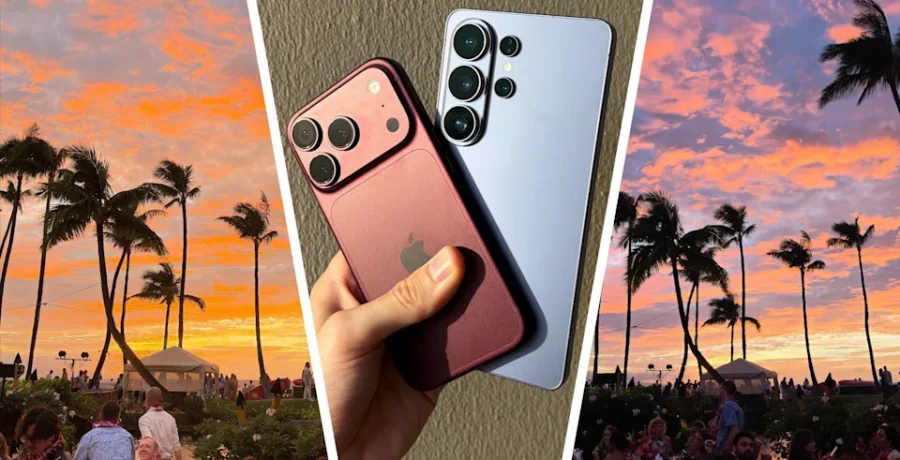
iPhone 18 Pro vs Samsung Galaxy S26 Ultra Camera: Which Phone Takes Better Photos in 2026?

 Tech Review
 The smartphone camera battle has become more competitive than ever in 2026.
Apple’s iPhone 18 Pro and Samsung’s Galaxy S26 Ultra represent two very different approaches to smartphone photography. Both phones are capable of producing excellent images, but they do not always produce the same kind of image.
The iPhone 18 Pro emphasizes natural-looking colors, consistent exposure, strong video capabilities, and a more controlled photographic style. Samsung’s Galaxy S26 Ultra, meanwhile, puts enormous emphasis on camera versatility, long-range zoom, high-resolution imaging, and more dramatic colors.
That makes the question “Which camera is better?” more complicated than simply comparing megapixels.
A 200MP camera does not automatically produce better photographs than a 48MP camera. Likewise, having a larger zoom number does not mean every zoom photograph will look better.
The real difference becomes clearer when you compare everyday photography, low-light shots, portraits, zoom, macro photography, selfies, and video.
iPhone 18 Pro vs Galaxy S26 Ultra Camera Specs
Before comparing real-world results, it helps to understand the hardware.
| Camera | iPhone 18 Pro | Samsung Galaxy S26 Ultra |
|---|---|---|
| Main camera | 48MP, f/1.5–4.0, 24mm | 200MP, f/1.4, 23mm |
| Ultra-wide | 48MP, f/2.2, 13mm | 50MP, f/1.9, 13mm |
| Telephoto | 48MP, f/2.8, 100mm | 10MP, 67mm + 50MP, 111mm |
| Optical zoom | 4x | 3x + 5x |
| Front camera | 18MP | 12MP |
| Maximum digital zoom | 40x | 100x |
These specifications show the fundamental difference between the two phones.
Samsung offers more dedicated zoom hardware, while Apple uses a simpler camera arrangement combined with computational photography and a variable-aperture main camera.
TechRadar’s hands-on comparison also found that both phones use smaller default output resolutions than their headline sensor counts suggest: the iPhone defaults to 24MP while the Galaxy S26 Ultra defaults to 12MP through pixel binning.
That is important because the number printed on a camera specification sheet is not the same thing as the resolution of every photograph you take.
Main Camera: iPhone 18 Pro vs Galaxy S26 Ultra
For everyday photography, the main camera is arguably the most important camera on either phone.
This is where the differences between Apple and Samsung become particularly obvious.
The iPhone 18 Pro generally aims for a more natural presentation. Shadows can remain relatively pronounced, colors are more restrained, and the overall image can look closer to what the scene actually looked like.
The Galaxy S26 Ultra takes a more expressive approach.
Samsung frequently produces stronger contrast and more vibrant colors. Greens can look greener, skies can appear more dramatic, and colorful scenes may have a more immediately eye-catching appearance.
Neither approach is automatically wrong.
It depends on what you want from your photographs.
If you want an image that looks relatively natural before editing, the iPhone’s approach can be appealing.
If you want a photograph that looks vivid and ready to share on social media, Samsung’s processing can be more attractive.
TechRadar’s hands-on comparison reached a similar conclusion after comparing numerous outdoor images, noting that the iPhone generally produced more natural-looking images while the Galaxy often produced brighter and more stylized colors.
Winner for Natural Photography: iPhone 18 Pro
Winner for Vibrant, Stylized Photos: Galaxy S26 Ultra
Color Science Is One of the Biggest Differences
Camera specifications tell only part of the story.
The image-processing system behind a smartphone camera can have an enormous effect on the final photograph.
Apple and Samsung clearly have different philosophies.
The iPhone 18 Pro often keeps colors relatively neutral. Skin tones, shadows, greenery, buildings, and skies can look less aggressively processed.
Samsung tends to produce photographs with more visual impact.
That can be especially noticeable in landscapes, sunsets, flowers, buildings, and colorful travel scenes.
For social media users, Samsung’s approach can be very appealing because photographs can look impressive immediately without requiring additional editing.
Professional photographers or users who prefer to edit their images later may appreciate the iPhone’s more restrained starting point.
This is one reason there is no universal winner in smartphone photography.
A photograph can be technically accurate but aesthetically less appealing to one person.
Another image can be heavily processed but look much better on Instagram or TikTok.
Low-Light Photography
Low-light photography is another important test.
Smartphones need to balance brightness, detail, noise, color accuracy, highlights, and shadows when there is not much available light.
The iPhone 18 Pro and Galaxy S26 Ultra both perform strongly in difficult lighting.
The iPhone can produce brighter-looking scenes while retaining a relatively natural appearance.
Samsung can sometimes produce more dramatic images, but its processing can also introduce a more stylized look.
In some scenes, Samsung’s processing can actually make the photograph more visually impressive.
In others, Apple’s more balanced approach can look more realistic.
TechRadar’s comparison found that the iPhone sometimes captured slightly brighter low-light images, while Samsung could deliver compelling results with its own color and processing style.
Best for Natural Low-Light Images: iPhone 18 Pro
Best for Dramatic Low-Light Results: Galaxy S26 Ultra
Zoom: Samsung Galaxy S26 Ultra Takes the Lead
Zoom photography is where Samsung’s hardware advantage becomes much more obvious.
The Galaxy S26 Ultra has two dedicated telephoto cameras:
- 3x optical zoom
- 5x optical zoom
The iPhone 18 Pro has a 4x optical telephoto camera.
That difference gives Samsung greater flexibility when photographing distant subjects.
For example, if you are photographing:
- Wildlife
- Buildings
- Concerts
- Sports
- Landscapes
- Architectural details
- Distant signs
the Galaxy S26 Ultra gives you more dedicated optical options.
TechRadar found the Galaxy’s 5x optical images slightly sharper in its comparison, while also noting that Samsung’s additional optical range makes it the more versatile zoom phone overall.
This does not mean every iPhone zoom photograph will be worse.
Apple’s computational photography can produce very good results, particularly within the phone’s intended optical and computational ranges.
But if zoom photography is your number-one priority, the Galaxy S26 Ultra has the stronger argument.
Zoom Winner: Samsung Galaxy S26 Ultra
What About 100x vs 40x Zoom?
This is where smartphone marketing numbers can become misleading.
Samsung offers up to 100x digital zoom, while the iPhone 18 Pro goes to 40x.
On paper, 100x looks dramatically better.
In practice, however, extreme digital zoom is heavily dependent on computational processing.
At very high magnification, neither phone can magically create real optical detail that the camera sensor did not capture.
TechRadar’s comparison found that both phones produced heavily processed results at their maximum digital zoom levels. Samsung remained more useful at intermediate long-range zoom levels, but extreme zoom should not be confused with genuine optical magnification.
So instead of asking:
“Which phone has the biggest zoom number?”
ask:
“Which phone produces the best usable detail at the zoom level I actually use?”
For most users, that is a much more useful question.
Ultra-Wide Camera Comparison
Ultra-wide cameras are useful for:
- Landscapes
- Buildings
- Group photos
- Travel photography
- Interior photography
- Large objects in small spaces
Both phones have high-resolution ultra-wide cameras.
The iPhone 18 Pro uses a 48MP ultra-wide camera, while Samsung uses a 50MP ultra-wide camera.
The difference is relatively small on paper.
In real-world photography, processing and color science can again become more important than the small difference in megapixels.
Apple tends to maintain its relatively natural color approach.
Samsung can produce a more contrast-heavy and vivid image.
For travel photography, either camera can be excellent.
Ultra-Wide Winner: Tie
The better choice largely depends on which color style you prefer.
Macro Photography
Macro photography allows you to photograph small subjects from a very close distance.
Examples include:
- Flowers
- Insects
- Watches
- Jewelry
- Food
- Textures
- Small electronics
Both Apple and Samsung have strong macro capabilities.
The phones can automatically switch to their ultra-wide cameras when you move close to a subject.
TechRadar’s comparison found the same broader color difference here: the iPhone produced more neutral colors while Samsung produced stronger contrast and more stylized colors.
Macro Winner: Tie
The choice again comes down more to processing style than basic capability.
Selfie Camera: iPhone 18 Pro Has an Advantage
Selfies are one area where Apple has a particularly strong argument.
The iPhone 18 Pro features an 18MP front-facing camera.
Samsung uses a 12MP front camera.
But megapixels are not the only reason the iPhone performs well.
Apple’s camera system also introduces Center Stage functionality, which can automatically keep subjects positioned within the frame and adapt framing between portrait and landscape orientations.
That can be particularly useful for:
- Video calls
- Group selfies
- Vlogging
- Social media videos
- Face-to-camera content
TechRadar found the iPhone’s selfie images slightly sharper in its comparison and highlighted the usefulness of Center Stage.
Selfie Winner: iPhone 18 Pro
Video Recording: iPhone Remains a Serious Choice
Photography is only half of the modern smartphone camera experience.
For creators, video can be even more important.
Apple’s Pro iPhones have traditionally placed a major emphasis on professional video controls and recording capabilities, and the iPhone 18 Pro continues that philosophy.
The phone is especially interesting for:
- YouTubers
- TikTok creators
- Instagram creators
- Vloggers
- Mobile filmmakers
- Business content creators
Samsung also offers a highly capable video system, but Apple’s combination of video processing, stabilization, color consistency, and professional controls remains a major selling point.
If your main goal is to shoot professional-looking video directly from a smartphone, the iPhone 18 Pro deserves serious consideration.
Variable Aperture Gives the iPhone 18 Pro More Control
One of the most interesting camera features on the iPhone 18 Pro is its variable aperture system.
A variable aperture allows the camera to adjust how much light enters the lens and can affect depth of field.
This gives experienced photographers additional creative control.
For example, aperture changes can influence:
- Background blur
- Depth of field
- Light intake
- Highlight rendering
- Some lens flare effects
Most casual smartphone photographers will probably never manually adjust the aperture.
But for advanced users, it is an important addition.
Samsung’s camera system does not provide the same variable-aperture control described for the iPhone 18 Pro in this comparison.
Pro Camera Control Winner: iPhone 18 Pro
Which Phone Has Better Camera Hardware?
If we judge hardware versatility alone, the Galaxy S26 Ultra has an impressive advantage.
Samsung gives users:
- 200MP main camera
- 50MP ultra-wide
- 3x optical telephoto
- 5x optical telephoto
- 100x digital zoom
The iPhone 18 Pro takes a different route:
- 48MP main
- 48MP ultra-wide
- 48MP telephoto
- 4x optical zoom
- 18MP front camera
- Variable aperture
Samsung clearly offers more dedicated zoom hardware.
Apple focuses more on consistency, computational photography, video, and controlled image processing.
This illustrates why comparing camera systems purely by megapixels is not enough.
iPhone 18 Pro vs Galaxy S26 Ultra: Which Camera Is Better?
Here’s the simple breakdown.
| Category | Winner |
|---|---|
| Natural colors | iPhone 18 Pro |
| Vibrant colors | Galaxy S26 Ultra |
| Main camera | iPhone 18 Pro |
| Zoom versatility | Galaxy S26 Ultra |
| Long-range zoom | Galaxy S26 Ultra |
| Ultra-wide | Tie |
| Macro | Tie |
| Selfies | iPhone 18 Pro |
| Pro camera controls | iPhone 18 Pro |
| Video | iPhone 18 Pro |
| Camera hardware versatility | Galaxy S26 Ultra |
| Social-media-ready photos | Galaxy S26 Ultra |
| Natural-looking photography | iPhone 18 Pro |
iPhone 18 Pro vs Galaxy S26 Ultra: Which One Should You Buy?
The answer depends on your photography style.
Choose the iPhone 18 Pro If…
You should consider the iPhone 18 Pro if you want:
- Natural-looking photos
- Strong selfies
- Excellent video
- Consistent image processing
- Advanced camera controls
- Variable aperture
- Strong low-light photography
- A camera designed for content creation
The iPhone is particularly attractive for people who regularly shoot video.
If you are a creator who wants to record, edit, and publish directly from a phone, Apple’s camera system offers a compelling package.
Choose the Galaxy S26 Ultra If…
The Samsung Galaxy S26 Ultra makes more sense if you prioritize:
- Long-range zoom
- Multiple optical focal lengths
- Vibrant colors
- Dramatic landscapes
- High-resolution photography
- Flexible camera hardware
- Distant subjects
Travel photographers may especially appreciate the extra zoom versatility.
Instead of carrying a dedicated camera for every focal length, the Galaxy can provide multiple useful perspectives in one device.
Which Phone Is Better for Social Media?
This depends on the type of content you publish.
For Instagram photos, Samsung’s stronger colors may appeal to users who want images that immediately look vivid.
For TikTok, YouTube Shorts, Reels, and video-heavy content, the iPhone 18 Pro has a strong argument because of Apple’s focus on video and its front-facing camera features.
For creators who photograph products, food, travel locations, and landscapes, either phone can produce excellent results.
The deciding factor may simply be whether you prefer Apple’s natural look or Samsung’s more dramatic processing.
Which Is Better for Travel Photography?
Travel photography requires versatility.
You may photograph a mountain in the morning, a building at noon, food in a restaurant, people at sunset, and distant scenery at night.
For that reason, the Galaxy S26 Ultra’s multiple optical zoom options are extremely useful.
The iPhone 18 Pro, however, can be the better choice if you value natural colors, video, selfies, and consistent results.
Travel Photography Winner: Galaxy S26 Ultra
The Samsung’s optical zoom flexibility gives it the edge for a wide variety of travel situations.
Is the Galaxy S26 Ultra Camera Better Than the iPhone 18 Pro?
Not in every situation.
The Galaxy S26 Ultra is better for zoom versatility and stylized photography.
The iPhone 18 Pro is better for natural-looking images, selfies, video, and advanced camera control.
This is why calling one phone the absolute camera winner can be misleading.
The better camera is the one that matches your shooting style.
Final Verdict
The iPhone 18 Pro vs Samsung Galaxy S26 Ultra camera comparison is ultimately a battle between two different philosophies.
Apple has built the iPhone 18 Pro around consistency, natural-looking images, advanced controls, strong video, and a capable selfie system.
Samsung has built the Galaxy S26 Ultra around camera versatility, long-range zoom, high-resolution hardware, and visually dramatic image processing.
If you want the best zoom camera, choose the Galaxy S26 Ultra.
If you want natural-looking everyday photography, the iPhone 18 Pro is an excellent choice.
If you are a video creator, the iPhone 18 Pro is particularly compelling.
If you are a travel photographer who frequently uses zoom, the Galaxy S26 Ultra has a clear advantage.
And if you simply want one of the most capable camera phones available in 2026, either device is a serious choice.
The biggest takeaway is that camera quality is no longer determined by megapixels alone. Modern smartphone photography depends on lenses, sensors, computational photography, color science, stabilization, software, and the photographer’s preferred style.
For readers interested in other smartphone buying guides, BusinessToMark also covers current mobile trends and comparisons, including its guide to the Top 10 Most Popular Mobile Phones in 2026.
You can also read BusinessToMark’s guide on how to check whether an iPhone is original or refurbished before purchasing a used or refurbished Apple device.
For SEO-focused publishers researching smartphone content, SEO Stack Hub can also be used for keyword research, SEO analysis, headline optimization, URL generation, and other content optimization tasks.
Frequently Asked Questions
Is iPhone 18 Pro camera better than Samsung S26 Ultra?
It depends on the type of photography. The iPhone 18 Pro is stronger for natural colors, selfies, video, and professional controls, while the Galaxy S26 Ultra has an advantage in zoom versatility and long-range photography.
Does Samsung S26 Ultra have better zoom than iPhone 18 Pro?
Yes. The Galaxy S26 Ultra has dedicated 3x and 5x optical telephoto cameras, giving it greater optical zoom flexibility than the iPhone 18 Pro’s 4x telephoto system.
Which takes more natural photos, iPhone 18 Pro or Galaxy S26 Ultra?
The iPhone 18 Pro generally produces more natural-looking colors, while the Galaxy S26 Ultra often uses stronger contrast and more vibrant color processing.
Which phone is better for selfies?
The iPhone 18 Pro has an advantage with its 18MP front camera and Center Stage framing features. TechRadar’s hands-on comparison also found the iPhone’s selfie images slightly sharper.
Which is better for photography, iPhone 18 Pro or Samsung S26 Ultra?
There is no universal winner. Choose the iPhone 18 Pro for natural photography, selfies and video; choose the Galaxy S26 Ultra for zoom, optical versatility and more vibrant images.