Jail Mail Explained: How to Send Letters and Messages to Someone in Custody

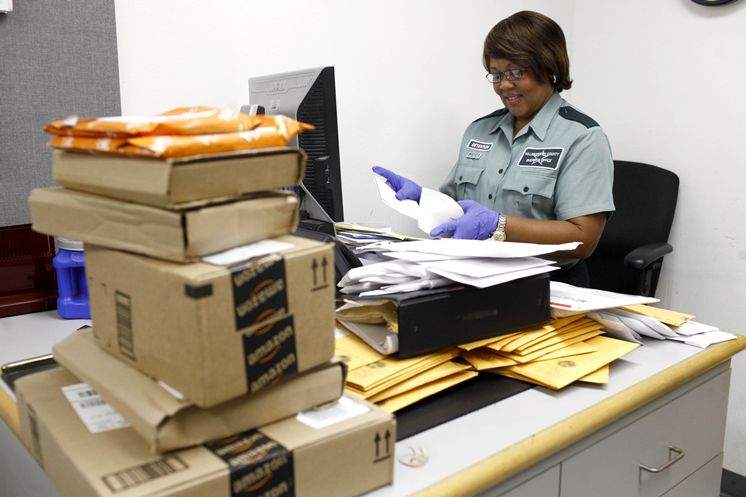
When someone you care about is in custody, a letter can mean a great deal. Mail is one of the most important ways to stay connected, yet every facility has its own rules, and a small mistake can lead to a rejected envelope. This guide explains how mail to people in jail or prison generally works, what is usually allowed, how to avoid common problems and how to spot scams that target families. Always confirm the exact rules with the facility you are writing to.
Why Mail Matters
Contact with family and friends helps people cope during custody and is linked with better outcomes after release. A letter, photo or message gives someone something to hold on to when phone calls are limited or costly. Written mail also leaves a record and lets you say things that are difficult to say on a short, monitored call.
Jail Versus Prison: Why Rules Differ
Jails hold people awaiting trial or serving short sentences, and are usually run by a county or city. Prisons hold people serving longer sentences and are run by state or federal agencies. Each system sets its own mail policy, and individual facilities add local rules. The US Federal Bureau of Prisons explains how communication works in its system on its page about staying in contact with people in federal custody. State and county facilities publish their own policies, usually on their websites.
Before You Write: Check the Rules
- Find the facility’s mail policy online or call the main office.
- Confirm the person’s full name and identification number.
- Ask whether mail must be sent directly or through an approved vendor or scanning service.
- Check the limits on page count, envelope type, stamps, photos and enclosures.
- Ask whether the facility accepts postcards only.
Some jails scan incoming letters and give the person a digital copy instead of the paper original. If so, the facility’s instructions will say where to send mail, which may be a central processing address rather than the jail itself.
How to Address the Envelope
- Write the person’s full legal name exactly as the facility has it.
- Add their booking or inmate number.
- Include the facility’s mailing address, which may differ from the physical address.
- Put your full name and return address in the top corner.
- Use plain white envelopes and standard paper unless told otherwise.
What Is Usually Allowed and What Is Not
| Usually allowed | Often restricted or banned |
| Handwritten or typed letters | Perfume, lipstick marks, stickers or glitter |
| A limited number of photographs | Polaroids, explicit or gang-related images |
| Postcards or cards without embellishment | Cards with batteries, music or metal |
| Money orders sent through approved channels | Cash or personal cheques |
| Printed material from approved sources | Staples, paper clips and tape |
| Legal mail clearly marked from attorneys | Any message that plans crime or threatens safety |
Mail is often inspected, and non-legal mail may be read. Never write anything you would not want read by officials. Do not include plans for escape, threats or content related to an open case unless your lawyer advises you.
Writing a Good Letter
Keep the tone warm and honest. Share news about daily life, family events and ordinary things, since small details make a person feel connected. Avoid heavy arguments or financial pressure in the first letters. Number your pages and date every letter so replies stay in order. Be patient: mail can take a week or more to arrive, and facilities may delay delivery during inspections.
Electronic Messaging and Photo Services
Many facilities now offer paid electronic messaging, photo or video visit services through approved vendors. These can be faster, but they often charge by the message or minute. Always use the vendor named by the facility, check the fees before you load money and keep your payment details safe. Compare prices if more than one option is offered.
Staying Safe From Scams
- Never send money to someone who calls claiming to be an officer, lawyer or bondsman and demands immediate payment by gift card, app or cryptocurrency.
- Confirm requests by calling the facility using the number on its official website.
- Use only approved deposit methods for commissary funds.
- Protect your personal information in letters.
- Be careful with unknown websites offering paid inmate services, and verify they are listed by the facility.
Security habits matter in all online dealings, as covered in our guide to critical security threats and how to defend against them and the shorter list of cybersecurity tips for businesses, and they apply just as much to family members handling payments for loved ones.
Getting Legal Help
If the person has legal questions, letters from family are not a substitute for a lawyer. Encourage them to speak with their attorney, and read why early advice matters in our article on hiring an expert lawyer to protect your future.
Frequently Asked Questions
How long does mail take to arrive?
Often several days to a couple of weeks, depending on the facility and inspection.
Can I send photos?
Usually a limited number of appropriate prints, subject to facility rules.
Can I send books or magazines?
Typically only from approved publishers or retailers, not from individuals.
Why was my letter returned?
Common reasons include the wrong address, a missing ID number, banned items or too many pages.
A Sample Letter Structure
- Start with a warm greeting and their name.
- Share a few ordinary updates about family, pets or home.
- Ask one or two open questions so they have something to answer.
- Offer encouragement without making promises you cannot keep.
- Close with your name and the date.
Avoid long lectures, blame and bad news dumped all at once. Short, regular letters are usually better than one very long letter.
Dealing With Delays and Returned Mail
If a letter is returned, read the stamp or note carefully since facilities usually state the reason. Fix the issue and send again rather than guessing. If several letters seem to go missing, call the facility’s mail room and ask about processing times. Keep a simple log of the date you sent each letter, so you can follow up if needed. Remember that lockdowns, holidays and inspections can slow delivery, and that patience is part of staying connected.
Conclusion
Mail is simple but rule-bound. Check the facility’s policy, address the envelope exactly, keep the content appropriate and watch for scams. A steady stream of letters is one of the most useful forms of support.

James Coleman
James Coleman writes about business, AI technology and the legal side of running a company. He focuses on how new tools and regulations affect small businesses and what owners can do to stay ahead.