Beyond Everest: Discovering Nepal Through Langtang Valley Trek and Manaslu Circuit Trek
Compare the Langtang Valley Trek and Manaslu Circuit Trek—duration, difficulty, costs, and how adventure tourism supports Nepal's mountain economy.

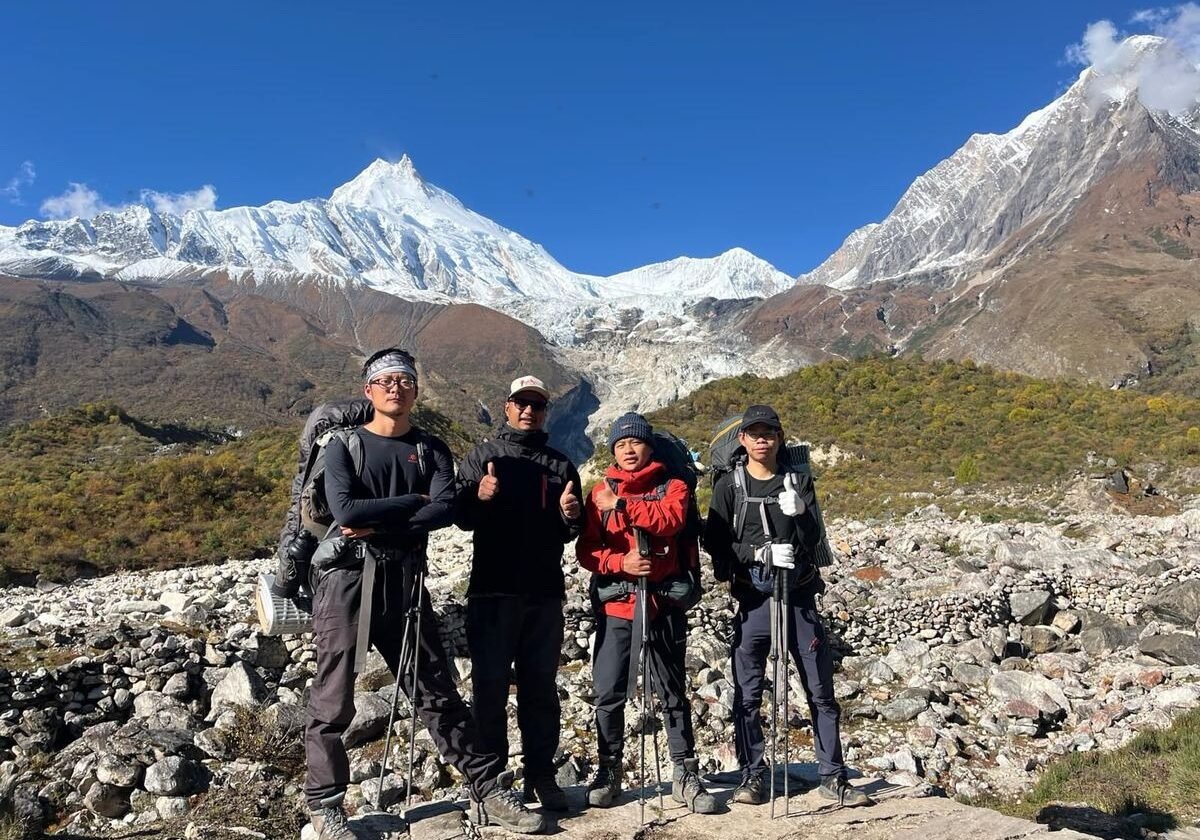
Nepal is famous for Mount Everest, but the country’s trekking opportunities extend far beyond the Khumbu region. From forested valleys to remote mountain settlements, Nepal offers a wide range of routes for travellers who want to experience the Himalayas, local culture and traditional mountain life. Two destinations worth exploring are Langtang Valley Trek and Manaslu Circuit Trek.
Although both routes offer impressive mountain scenery, they provide different experiences. Langtang is known for its accessible valley trails, Tamang heritage and views of Langtang Lirung. Manaslu offers a longer journey through remote villages, high mountain terrain and the challenging Larkya La Pass. Together, these routes show why Nepal has much more to offer than its most famous trekking destination.
Why Explore Nepal Beyond the Everest Region?
The Everest region attracts trekkers from around the world, but it is only one part of Nepal’s Himalayan landscape. Other trekking areas have their own mountain views, village traditions, wildlife and walking routes. Exploring these regions gives visitors a chance to experience different parts of the country while discovering destinations that may receive fewer trekkers than the main Everest trails. If you are still weighing the classic route, read how to make your trek to Everest Base Camp truly unforgettable.
Trekking also supports communities along the routes. Visitors use local accommodation, eat at family-run teahouses and hire guides, porters and transport services. This spending creates income for small businesses and helps sustain tourism in mountain villages. Choosing destinations such as Langtang and Manaslu can therefore make a wider contribution to Nepal’s local tourism economy.
Langtang Valley Trek: A Himalayan Journey Close to Kathmandu
The Langtang Valley Trek takes visitors north of Kathmandu into a mountain region near the Nepal-Tibet border. The route passes through forests, river valleys and traditional settlements before reaching the higher alpine landscape around Kyanjin Gompa. Along the way, trekkers can enjoy views of Langtang Lirung and other Himalayan peaks while experiencing the region’s natural and cultural heritage. For travellers seeking a mountain journey without committing to a very long itinerary, Langtang is an appealing option.
The route also provides opportunities to support local communities. Trekkers stay in village teahouses, eat locally prepared meals and meet people whose livelihoods are connected to tourism. The combination of mountain scenery, cultural experiences and village hospitality makes Langtang one of the rewarding trekking destinations beyond Everest.
Langtang Valley Route Highlights and Tamang Culture
Langtang is known for its varied landscapes and strong Tamang cultural identity. Lower sections of the trail pass through forests and settlements, while higher elevations reveal open mountain terrain, glaciers and impressive views of the surrounding peaks. Langtang Village and Kyanjin Gompa are among the main stops on the route.
Some highlights include:
-
Langtang Lirung views: Enjoy views of one of the region’s most prominent Himalayan peaks.
-
Kyanjin Gompa: Visit a mountain settlement known for its monastery and surrounding scenery.
-
Tamang culture: Learn about local traditions, food, architecture and hospitality.
-
Mountain landscapes: Walk through forests, river valleys, alpine meadows and glacial surroundings.
Villages, Teahouses and Kyanjin Gompa on the Langtang Trail
The Langtang trail offers more than a walk between mountain villages. Trekkers can explore local settlements, learn about Tamang traditions and enjoy the changing scenery as the trail gains elevation. Kyanjin Gompa is a popular place to spend extra time, with nearby viewpoints offering wider views of the valley and surrounding mountains.
Visitors can also experience local food and the daily life of mountain communities. Staying in family-run teahouses and buying services locally helps keep tourism income within the region. Respecting local customs, managing waste and following responsible trekking practices also help protect the area for future visitors.
Who Should Choose the Langtang Valley Trek?
Langtang can suit travellers who want a Himalayan experience without spending several weeks on the trail. It is worth considering for:
-
First-time Himalayan trekkers with suitable fitness and preparation.
-
Travellers with limited time in Nepal.
-
Visitors interested in mountain scenery and Tamang culture.
-
Trekkers who prefer a route with established village accommodation.
The trek still involves walking at altitude, so good preparation and a suitable pace are important.
Manaslu Circuit Trek: Exploring Nepal’s Remote Himalayan Landscapes
The Manaslu Circuit Trek circles Mount Manaslu, which stands at 8,163 metres and is the world’s eighth-highest mountain. The route begins in the lower Budhi Gandaki valley and gradually enters a more remote mountain landscape. Trekkers pass through villages such as Lho, Sama Gaun and Samdo before crossing Larkya La Pass at approximately 5,106 metres. The changing scenery makes this route a rewarding choice for those seeking a longer Himalayan adventure.
Manaslu is also known for its Tibetan-influenced culture and traditional mountain settlements. Monasteries, mani walls, prayer flags and local customs reflect the region’s cultural connections with Tibet. Because the route passes through a restricted area, trekkers must arrange the applicable permits and follow the current trekking regulations before starting the journey.
Manaslu Circuit Highlights: Remote Valleys and Buddhist Heritage
Manaslu combines high mountain scenery with a gradual journey through remote communities. The lower trail follows rivers and passes through green hills, while the upper sections become colder and more rugged. As trekkers approach Sama Gaun and Samdo, the landscape takes on a more alpine character, with views of snow-covered peaks and surrounding mountain valleys.
The main highlights include:
-
Mount Manaslu: Views of the 8,163-metre mountain that gives the route its name.
-
Lho and Sama Gaun: Traditional settlements with strong local cultural character.
-
Samdo: A high-altitude village near the Nepal-Tibet border region.
-
Larkya La Pass: A demanding high mountain crossing at approximately 5,106 metres.
-
Buddhist heritage: Monasteries, prayer flags, mani walls and traditional architecture.
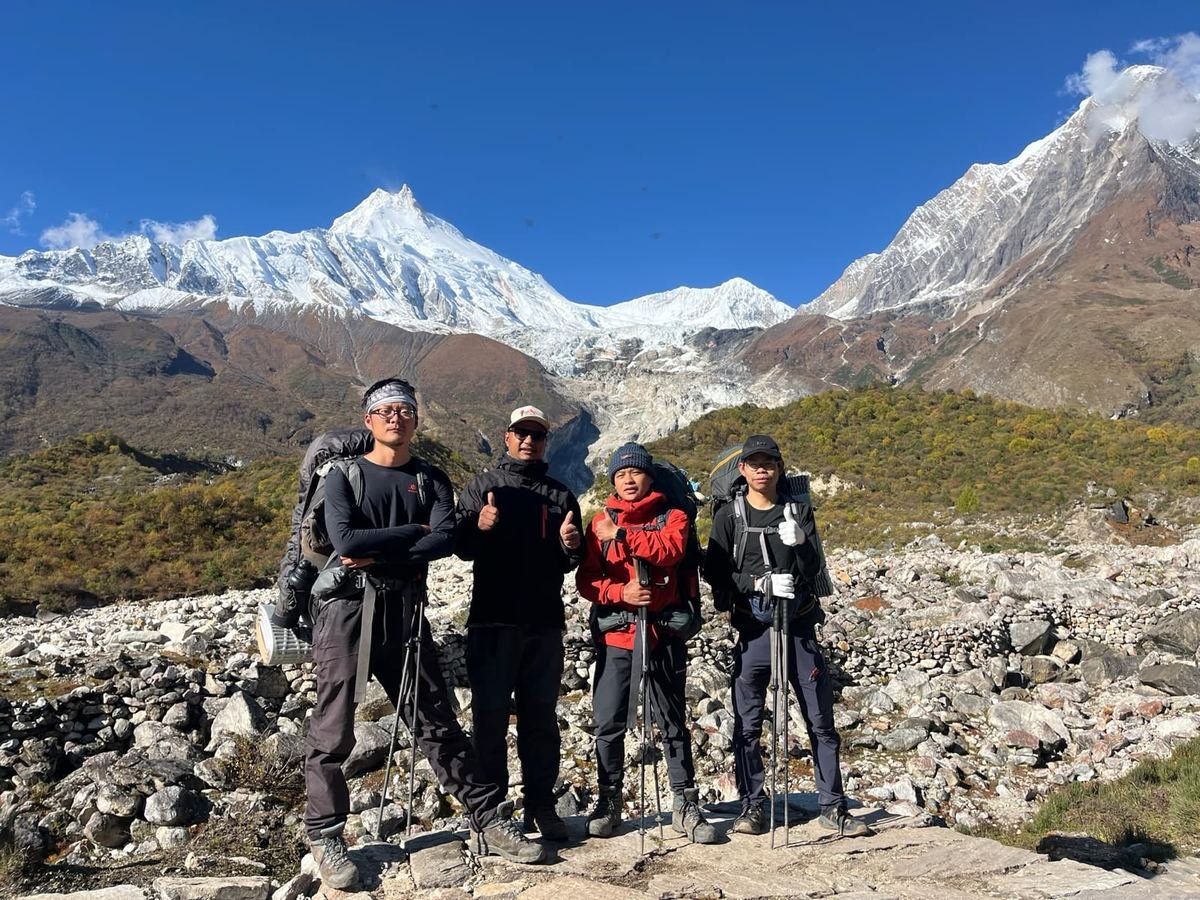
Larkya La Pass and Village Life on the Manaslu Trail
The Manaslu Circuit offers a mix of natural scenery and cultural encounters. Trekkers walk through changing landscapes, visit traditional villages and see how communities adapt to life at high altitude. The route also provides opportunities to learn about local Buddhist traditions and the importance of monasteries and other cultural sites.
Crossing Larkya La is one of the major challenges of the journey. The pass requires an early start, careful pacing and preparation for cold, high-altitude conditions. Trekkers who reach the other side are rewarded with wide views of the surrounding Himalayan landscape. The experience makes Manaslu especially appealing to visitors who want more than a short mountain walk.
Who Should Choose the Manaslu Circuit Trek?
Manaslu is generally better suited to travellers who have enough time for a longer trek and are prepared for demanding mountain conditions. It may appeal to:
-
Experienced trekkers or beginners with strong fitness and careful preparation.
-
Travellers interested in remote Himalayan villages.
-
Visitors who want to explore Tibetan-influenced mountain culture.
-
Those seeking a high-altitude challenge that includes crossing a major mountain pass.
The route requires careful planning, particularly for altitude, permits, weather and accommodation.
Langtang Valley Trek vs Manaslu Circuit Trek: Which One Should You Choose?
Both routes offer memorable Himalayan experiences, but they differ in duration, terrain and difficulty. Langtang is a shorter journey into a mountain valley, while Manaslu takes trekkers through a wider range of landscapes and includes a demanding high-altitude pass. Your available time, fitness and interest in remote trekking should guide your decision.
| Comparison | Langtang Valley Trek | Manaslu Circuit Trek |
| General duration | Around 7–10 days | Around 14–18 days |
| Main attraction | Langtang Valley and Kyanjin Gompa | Mount Manaslu and Larkya La Pass |
| Landscape | Forests, glaciers and mountain valleys | River valleys, alpine terrain and high passes |
| Cultural experience | Tamang communities | Tibetan-influenced mountain communities |
| Difficulty | Moderate to challenging | Challenging |
| Best suited for | Shorter Himalayan adventures | Longer, remote trekking adventures |
Actual duration and difficulty depend on the itinerary, acclimatisation schedule, weather and individual fitness.
Choose Langtang if you have less time and want to explore a Himalayan valley with strong local cultural experiences. Consider Manaslu if you can spend more time trekking and want a longer route with remote settlements and a high mountain crossing. Neither route is automatically easy, and both require preparation for walking at altitude.
Best Time to Explore Langtang and Manaslu
Spring and autumn are generally the most popular seasons for trekking in both regions. These months often bring more favourable walking conditions and better opportunities for mountain views. However, weather can change quickly in the Himalayas, and conditions at higher elevations may differ from those in the lower valleys.
-
Spring (March to May): Warmer days, blooming rhododendrons and generally favourable trekking conditions.
-
Autumn (September to November): Often clear skies, stable weather and good mountain visibility.
-
Winter (December to February): Colder temperatures and possible snow at higher elevations. High passes can become more difficult.
-
Monsoon (June to August): Rain, cloudy conditions, slippery trails and possible landslides can affect travel.
For either route, check local weather and trail conditions before departure. A suitable itinerary should also allow enough time for acclimatisation, especially on the Manaslu Circuit.
How Trekking Tourism Supports Local Communities
Trekking brings economic activity to mountain communities that may have limited sources of income. Visitors depend on local accommodation, food, guides, porters and transport services throughout their journeys. This creates opportunities for family-run businesses and helps local people earn from tourism without leaving their home regions.
Responsible tourism can also support the preservation of local culture and natural environments. Travellers can contribute by choosing locally operated services, respecting cultural sites and reducing waste along the trails. Practical steps include:
-
Staying in locally owned teahouses where possible.
-
Hiring qualified local guides and porters through responsible operators.
-
Buying food and supplies from local businesses.
-
Carrying reusable water bottles and limiting single-use plastic.
-
Respecting local customs, religious sites and community rules.
These choices help make trekking more beneficial to the communities that welcome visitors.
Nepal’s Trekking Economy and Adventure Tourism Growth
For Nepal, trekking is more than a holiday activity. Adventure tourism is one of the country’s most important sources of foreign income, and much of that money flows into rural mountain districts rather than only the capital. Every trekker on these routes pays for permits, teahouse rooms, meals, guides, porters and transport, which supports thousands of small family businesses.
Newer and less crowded routes such as Langtang and Manaslu also help spread tourism income beyond the Everest and Annapurna regions. For travel companies and local entrepreneurs, this growing interest in alternative treks creates steady demand for licensed guides, lodge upgrades and responsible tour packages.
Important Things to Know Before Planning Your Trek
Good preparation makes a major difference to the safety and enjoyment of a Himalayan trek. Before choosing a route, consider your available time, fitness level and experience at altitude. Build a realistic itinerary with suitable walking distances and acclimatisation time rather than trying to complete the journey too quickly. Good cover matters at high altitude, so check what adventure travel insurance for high-risk areas should include before you book.
You should also prepare for changing weather, basic mountain facilities and limited access to services in remote areas. Before travelling, check the latest permit and guide requirements for your chosen route, arrange suitable travel insurance that covers your planned altitude and emergency evacuation, and carry the right clothing and footwear.
Keep these points in mind:
-
Fitness: Prepare with regular walking, uphill training and longer hikes.
-
Altitude: Ascend gradually and take symptoms of altitude sickness seriously.
-
Permits: Arrange the required national park or restricted-area permits before trekking.
-
Guides: Check the current regulations and use qualified local support where required.
-
Insurance: Confirm that your policy covers trekking at the maximum altitude on your itinerary and emergency evacuation.
-
Respect: Follow local customs and leave natural and cultural sites undamaged.
Regulations can change, so confirm the latest requirements with the relevant authorities or a registered trekking operator before departure.
Discover More of Nepal Beyond Everest
Nepal’s trekking appeal extends well beyond the Everest region. The Langtang Valley Trek offers a shorter journey through forests, mountain villages and Tamang cultural landscapes. The Manaslu Circuit Trek provides a longer adventure through remote settlements, alpine terrain and the high Larkya La Pass. Each route offers a different way to experience the country’s mountains and communities.
Exploring these destinations also gives travellers an opportunity to support local businesses and contribute to tourism in less-visited regions. Whether you choose the cultural and natural variety of Langtang or the remote mountain challenge of Manaslu, both routes show why Nepal remains one of the world’s most rewarding destinations for trekking. For more routes and cultural highlights, see our overview of Nepal trekking trails, culture and Himalayan wonders.

Daniel Reyes
Daniel Reyes leads the Businesstomark editorial desk, covering business news, company strategy and the tech products that shape how people work. He focuses on clear, practical explainers that help readers make smarter decisions, from choosing tools to understanding market moves.