Is Gold Trading Highly Profitable? A Realistic Look at Returns, Risks and Safer Ways to Start

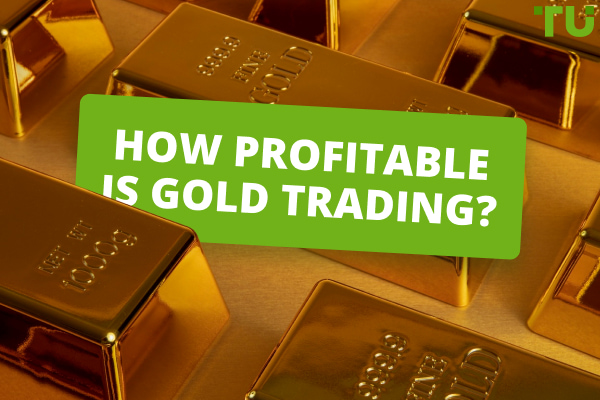
Few assets attract as much attention as gold. It has been used as money and a store of value for thousands of years, and in uncertain times investors rush towards it. That history leads many beginners to a hopeful question: is gold trading highly profitable? The honest answer is that it can be, but it can also lose money quickly, especially when borrowed money or short-term trading is involved. This guide explains how gold prices move, the main ways to get exposure, the costs that eat into returns and the warning signs of schemes that promise easy profits. It is general information, not financial advice, so speak to a licensed adviser before you invest. If you are new to investing in general, our guide to breaking down real estate investment shows how to compare asset types in a structured way.
Why People Trade Gold
Gold earns interest or dividends in no form, so its return comes only from a rising price. Investors buy it for three main reasons: to protect against inflation, to diversify a portfolio that is mostly shares and bonds, and to hold something that often holds its value during financial stress. Traders, by contrast, try to profit from price swings over days or weeks.
Those are two very different activities. A long-term holder may be happy if gold simply keeps up with prices over a decade. A short-term trader needs to be right about timing, again and again, after paying costs.
What Moves the Price of Gold
- Interest rates and bond yields: when yields on safe assets fall, gold becomes more attractive because it gives up less by paying nothing
- The US dollar: gold is priced in dollars, so a weaker dollar often supports the price
- Inflation expectations: worries about rising prices can lift demand
- Central bank buying and selling, which can shift the market
- Geopolitical tension and market fear, which tend to boost safe-haven demand
- Jewellery and industrial demand, particularly in large consuming countries
None of these relationships is reliable in every period. Gold has fallen during times of inflation and risen when it was low. That unpredictability is the first reason to be cautious about any claim of guaranteed gains. The World Gold Council publishes regular research and price data on its gold market information pages, which is a useful starting point for understanding demand and supply.
Main Ways to Get Exposure to Gold
| Method | How it works | Typical costs and risks |
| Physical gold (coins and bars) | You buy and store the metal | Dealer premiums, storage and insurance, and selling at a discount to the market price |
| Gold ETFs and funds | Shares that track the gold price or hold bullion | Management fees; price follows the market, with no income |
| Gold mining shares | Ownership in companies that produce gold | Company and management risk, which can amplify price moves |
| Futures and options | Contracts to buy or sell at a future price | Leverage can multiply losses; complex and not for beginners |
| CFDs and spread bets (where legal) | Bets on price changes with borrowed money | High risk; many retail accounts lose money |
| Digital gold and pooled accounts | Fractional ownership through a platform | Platform and custody risk; check regulation and backing |
For most beginners, the simplest options are a small holding in a regulated fund or, if you want the physical metal, coins or bars from a reputable dealer. Leveraged products are where most beginners get hurt.
The Costs That Reduce Your Profit
- Spreads: the difference between the buying and selling price, which can be large for small physical purchases
- Commissions and platform fees
- Storage and insurance for physical gold
- Fund management fees, charged every year
- Financing costs on leveraged positions
- Taxes, which differ by country and by product; check the rules where you live
Add these up before you decide that a trade is profitable. A price rise of three percent can disappear entirely once the spread and fees are taken out.
A Simple Example
Suppose you buy gold coins for 2,000 and the dealer’s selling price is four percent above the market price. If gold rises five percent, you might expect a profit of 100. After the dealer’s buying price is lower than the market price, and after storage costs, your real return could be close to zero. The same five percent rise in a low-cost gold fund would leave you far closer to the full gain. This shows why the method matters as much as the market.
Is Day Trading Gold Profitable?
Some experienced traders earn a living from gold, but they are a small minority, and they usually combine strict risk rules, large time commitments and sufficient capital. Studies of retail traders in leveraged products repeatedly show that a majority lose money. Regulators in several countries require firms to publish the percentage of retail accounts that lose, and those figures are often well above half. If you are tempted by short-term trading, practise on a demo account first and never risk money you cannot afford to lose.
Warning Signs of Gold Scams
- Promises of guaranteed or unusually high returns
- Pressure to buy quickly or to keep your decision secret
- Unregulated brokers, or firms that cannot show a licence
- Requests to pay in unusual ways, such as gift cards or transfers to personal accounts
- Cold calls or messages from strangers pitching a special gold deal
- Coins sold at big markups as rare collectables
Check any firm with your country’s financial regulator before sending money. In the United States, the Commodity Futures Trading Commission publishes consumer warnings about precious-metals fraud, and the SEC’s Investor.gov site explains how to verify a registered professional.
How Much of Your Portfolio Should Be Gold?
Many advisers who include gold suggest a modest share, often in the range of five to ten percent of a diversified portfolio, but there is no universal answer. The right amount depends on your goals, other assets and tolerance for risk. If you are already stretched, paying down debt or building an emergency fund usually comes before buying any speculative asset.
A Sensible Way to Begin
- Build an emergency fund first, so you never have to sell in a hurry
- Decide your purpose: long-term protection or short-term trading
- Start small with a regulated, low-cost fund or reputable dealer
- Write down your buy plan, your maximum loss and your review date
- Avoid leverage until you fully understand it
- Keep records for tax
- Review once or twice a year instead of watching prices daily
If you want to compare gold with other ways of putting small amounts to work, see our guide to micro-investment apps for beginners. [CLIENT LINK PLACEHOLDER]
Frequently Asked Questions
Is gold a good investment?
It can help diversify a portfolio and protect against some risks, but it pays no income and its price can fall for long periods. It works best as a modest part of a balanced plan.
Can you get rich trading gold?
A few people do, but most retail traders do not. Costs, leverage and poor timing cause many to lose money.
Is physical gold or a gold fund better?
Physical gold gives direct ownership but costs more to buy, store and sell. Funds are cheaper and easier to trade, but you do not hold the metal.
Do I need a licence to trade gold?
Individuals usually do not, but the firm you deal with should be regulated. Check with your local regulator.
The Bottom Line
Gold trading is not a shortcut to wealth. The metal can protect and diversify, but profits depend on timing, costs and discipline, and leveraged products can wipe out an account quickly. Treat gold as one tool among many, understand every fee, verify who you are dealing with and never invest money you cannot afford to lose. Done carefully, a small holding can be useful. Done on hype, it can be expensive.
Jane Ashford
Jane Ashford writes about business and technology, covering useful tools, workplace trends and simple ways to work smarter.