
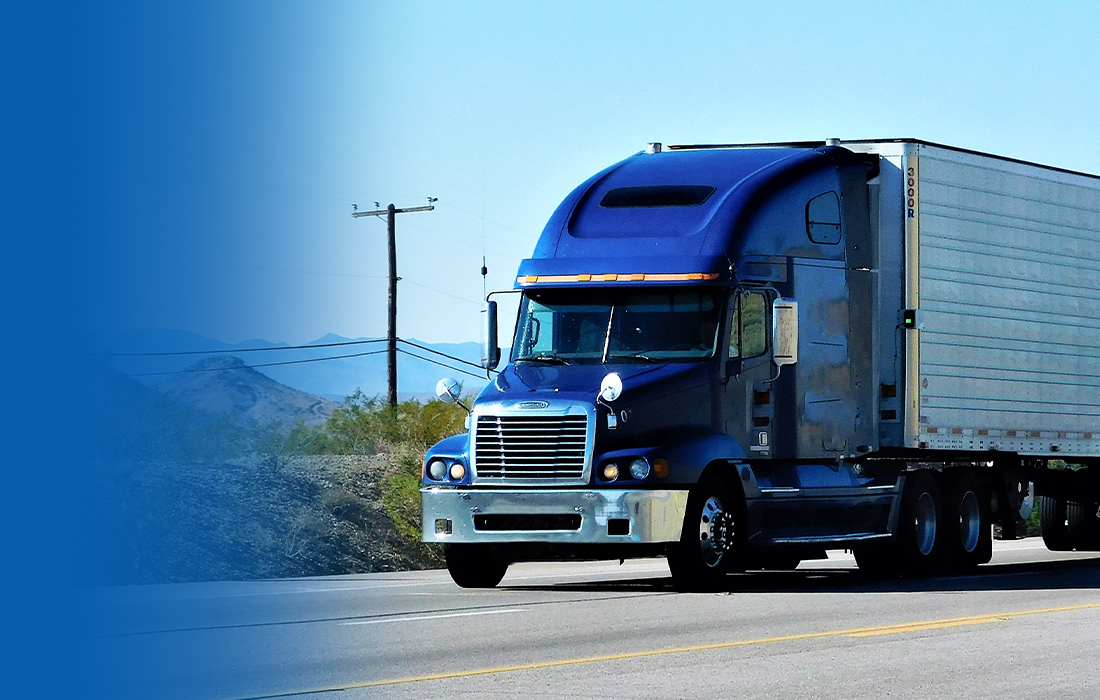
Every day, thousands of 18-wheelers crisscross the country, delivering the goods that keep our economy moving. But behind the scenes, there’s a powerful safety system ensuring those drivers are alert, sober, and road-ready. Even an 18-wheeler accident attorney understands how critical these safeguards are in preventing tragedies on the highway. The Department of Transportation (DOT) doesn’t just hope for safe driving—it enforces it through a program called random testing pools. This process is key to maintaining safety standards and compliance across the trucking industry.
What Is a Random Testing Pool?
A random testing pool is exactly what it sounds like—a group of employees who are subject to unannounced drug and alcohol testing. The DOT requires certain transportation employees, including truck drivers, to be part of this pool. Employers must randomly select individuals for testing throughout the year, with the selections made by computer software to eliminate bias.
Drivers can be chosen at any time, even right before a shift. Once selected, the driver must report for testing immediately. It’s not optional, and it’s not negotiable. These surprise tests ensure that all drivers remain compliant at all times, not just when they think someone might be watching.
Why Random Testing Matters
Random testing might seem strict, but it serves an important purpose: deterrence. Knowing that a test could come at any moment encourages drivers to stay drug- and alcohol-free. For many, that constant possibility is the most potent reminder that safety is non-negotiable.
Beyond deterrence, random testing protects everyone—drivers, employers, and the public. Impaired driving, mainly when operating an 80,000-pound truck, can have devastating consequences. Even a small lapse in judgment can lead to catastrophic accidents. The DOT’s random testing program minimizes that risk by catching violations before they turn into tragedies.
How Employers Maintain Compliance
For trucking companies, staying compliant with DOT testing rules takes organization and diligence. The DOT requires employers to test a specific percentage of their workforce each year—currently, 50% for drug testing and 10% for alcohol testing.
Many companies use third-party administrators (TPAs) to handle the details. These professionals manage the random selection process, notify selected drivers, and ensure all results are properly recorded. Using a TPA helps prevent errors and ensures the company meets all requirements without missing deadlines or documentation.
Employers must also maintain strict confidentiality. Test results are sensitive information, and mishandling them can lead to legal trouble and loss of employee trust. The DOT has clear rules about how records are stored and who can access them.
