











Introduction
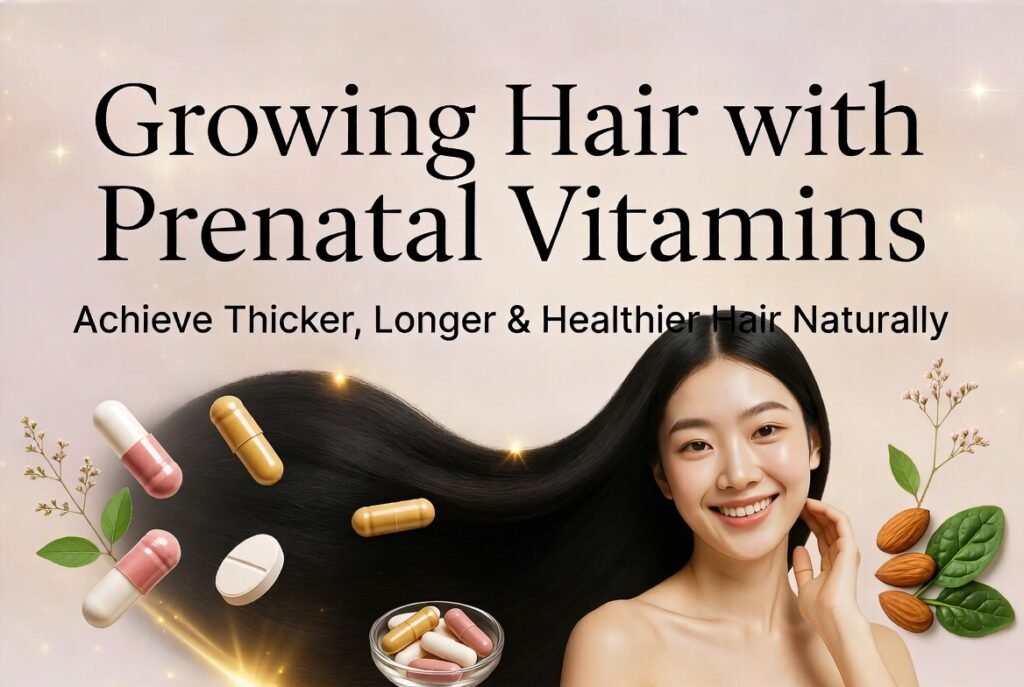
Many people searching for natural solutions to thinning or slow-growing hair have turned to everyday supplements in surprising ways. One popular approach that continues to spark interest is growing hair with prenatal vitamins. While these supplements are primarily designed for supporting pregnancy and maternal health, their rich blend of essential nutrients has led to widespread discussion about their potential role in promoting stronger, fuller hair. In this comprehensive guide, we will explore every aspect of this topic, from the science behind hair growth to practical advice on choosing and using these vitamins responsibly. Whether you are dealing with postpartum hair changes, general thinning, or simply want to enhance your natural hair health, understanding the connection between nutrition and hair can be transformative.
What Are Prenatal Vitamins?
Prenatal vitamins are specially formulated multivitamin and mineral supplements created to meet the increased nutritional demands during pregnancy, breastfeeding, and sometimes even preconception planning. Unlike standard multivitamins, they typically contain higher levels of key nutrients that support fetal development and maternal well-being. These include elevated amounts of folic acid, iron, calcium, and various B vitamins.
The primary goal of prenatal vitamins is to fill nutritional gaps that a regular diet might not always cover, especially during times of higher bodily demand. However, their popularity has extended beyond pregnancy due to anecdotal reports of improved hair, skin, and nail health. Many individuals curious about vitamins for hair growth wonder if the same formula could benefit non-pregnant adults seeking thicker locks.
According to general information available on prenatal supplements, these vitamins are not intended as a replacement for a balanced diet but as a complementary source of support. Prenatal vitamin formulations can vary by brand, but most follow guidelines set by health organizations to ensure safety and efficacy for their target users.
Key Ingredients in Prenatal Vitamins That Support Hair Health
The reason why some people explore prenatal vitamins for hair growth lies in their carefully selected ingredients. Let’s break down the most relevant ones and how they relate to hair.
Folic Acid (Vitamin B9): This is one of the standout components, often present in higher doses. Folic acid plays a crucial role in cell division and the production of red blood cells, which deliver oxygen and nutrients to hair follicles. Adequate levels may help maintain the hair growth cycle and prevent premature shedding.
Iron: Many prenatal vitamins include a significant amount of iron to combat the common deficiency during pregnancy. Iron supports hemoglobin production, ensuring that hair follicles receive enough oxygen. Low iron levels are frequently linked to hair thinning, so maintaining healthy stores can indirectly promote stronger growth.
B Vitamins, Including Biotin (B7): Although not all prenatals contain high biotin, many include a range of B vitamins that contribute to keratin production—the protein that makes up most of your hair. These vitamins also help with energy metabolism at the cellular level, which supports active hair follicles.
Vitamin D and Calcium: Vitamin D aids in creating new hair follicles, while calcium works alongside it for overall structural support. Deficiencies in these can sometimes lead to brittle hair or slower regrowth.
Zinc and Omega-3 Fatty Acids: Zinc helps with tissue repair and hormone balance, both important for a healthy scalp. Some prenatal formulas also include DHA (an omega-3), which may reduce inflammation and support scalp circulation.
These nutrients work together synergistically. When the body has sufficient building blocks, it can direct resources toward healthy hair production rather than basic survival functions. This is why discussions around natural hair growth with vitamins often highlight prenatal options—they provide a broad spectrum in one convenient package.
The Science Behind Hair Growth
To understand whether prenatal vitamins can truly help, it is essential to review how hair grows in the first place. Human hair follows a cyclical process consisting of three main phases:
- Anagen (Growth Phase): This active stage lasts 2–7 years for scalp hair, during which follicles produce new strands at about half an inch per month.
- Catagen (Transition Phase): A short 2–3 week period where growth stops and the follicle shrinks.
- Telogen (Resting Phase): Lasting 2–3 months, old hairs shed as new ones prepare to emerge. On average, we lose 50–100 hairs daily during this phase.
Factors like genetics, hormones, stress, diet, and nutrient availability influence the length of the anagen phase and the overall density of hair. Nutritional deficiencies can push more follicles into the telogen phase prematurely, leading to noticeable thinning. Conversely, providing the body with optimal vitamins and minerals may help extend the growth phase and improve hair quality.
While direct clinical trials specifically on prenatal vitamins for non-pregnant hair growth are limited, research on individual nutrients shows promising connections. For instance, studies on supplements containing B vitamins and minerals have demonstrated improvements in hair density and reduced shedding in individuals with temporary thinning. The body’s response to balanced nutrition is well-documented in dermatological literature, making it reasonable to consider how a nutrient-dense supplement might play a supportive role.
How Prenatal Vitamins May Support Growing Hair with Prenatal Vitamins
Midway through our exploration, it becomes clear why growing hair with prenatal vitamins continues to attract attention. These supplements deliver a concentrated dose of the very nutrients that hair follicles crave for optimal function. When someone experiences hair changes due to stress, dietary gaps, or life transitions, the body may benefit from extra support in cell regeneration and circulation.
Users often report noticing less breakage, increased shine, and a feeling of fuller volume after consistent use. This is likely because the vitamins help correct underlying deficiencies that were silently affecting hair health. For example, improved iron levels can enhance oxygen delivery to the scalp, while B vitamins support the metabolic processes that fuel keratin synthesis.
It is important to note that results vary from person to person. Genetics, age, overall health, and consistency play significant roles. Prenatal vitamins are not a miracle cure, but they can serve as part of a holistic approach to natural hair growth with vitamins. Many who have incorporated them alongside a nutrient-rich diet and gentle hair care routines describe gradual but meaningful improvements over several months.
Real Experiences and Anecdotal Insights
Countless individuals share stories online about their journeys with prenatal vitamins for hair growth. Some notice thicker hair within 3–6 months, while others see reduced shedding almost immediately. These personal accounts often highlight how the supplements seemed to restore confidence by improving hair appearance and feel.
Of course, experiences differ. Factors such as starting nutrient levels, lifestyle habits, and even the specific brand chosen influence outcomes. Listening to diverse stories helps paint a realistic picture: prenatal vitamins can be a helpful addition, but they work best when paired with patience and realistic expectations.
Choosing the Right Prenatal Vitamin for Hair Growth
Not all prenatal vitamins are created equal. When selecting one with hair health in mind, consider these factors:
- Nutrient Profile: Look for formulas with at least 400–800 mcg of folic acid, 18–27 mg of iron, and a good B-complex blend.
- Quality and Purity: Opt for reputable brands that undergo third-party testing to ensure safety and accurate labeling.
- Additional Hair-Friendly Additions: Some include biotin, vitamin E, or collagen-supporting ingredients.
- Form and Dosage: Gummies, capsules, or tablets—choose what fits your routine to encourage daily consistency.
Consulting a healthcare provider before starting is always recommended, especially if you have existing health conditions or take other medications.
For broader wellness strategies that complement hair health, explore resources like our guide on Geriatrics Wellness and Prevention: A Comprehensive Guide to Healthy Aging. It offers valuable insights into maintaining vitality at every stage of life.
How to Incorporate Prenatal Vitamins into Your Daily Routine
Consistency is key. Take your chosen prenatal vitamin with food to improve absorption and minimize any mild digestive discomfort. Pair it with a balanced diet rich in fruits, vegetables, lean proteins, and healthy fats to maximize benefits.
Combine supplementation with scalp massages, gentle hair care products, and stress-management techniques like meditation or yoga. Tracking progress with monthly photos or a simple journal can help you stay motivated and notice subtle changes over time.
Complementary Lifestyle Factors for Optimal Hair Growth
Supplements work best within a supportive lifestyle. Stay hydrated, exercise regularly to boost circulation, and protect your hair from heat styling and harsh chemicals. Adequate sleep allows the body to repair and regenerate, including hair follicles.
Consider incorporating foods naturally high in the same nutrients found in prenatal vitamins—leafy greens for folic acid, nuts and seeds for zinc, and fatty fish for omega-3s. This whole-food approach enhances the effects of any supplement.
Additional reading on business and wellness intersections, such as Geriatrics Wellness and Prevention, can inspire holistic strategies that benefit both personal health and professional well-being.
Potential Benefits and Important Precautions
Potential benefits include stronger hair strands, reduced breakage, improved scalp health, and a general sense of vitality from better nutrition. Many also report positive effects on skin and nails as a bonus.
However, precautions are essential. Prenatal vitamins contain higher nutrient levels than standard multis, so overuse could lead to imbalances. Always follow dosage instructions and seek professional medical advice. They are not suitable for everyone, particularly those with certain medical conditions or iron overload risks.
Comparing Prenatal Vitamins to Other Hair Growth Supplements
Prenatal vitamins offer a broad nutrient spectrum compared to single-ingredient options like biotin-only pills or specialized hair formulas. While targeted supplements focus on one or two nutrients, prenatals provide comprehensive support. This makes them appealing for those seeking an all-in-one solution within vitamins for hair growth.
Ultimately, the best choice depends on individual needs. Some prefer dedicated hair vitamins, while others find prenatal options more cost-effective and nutrient-dense.
Frequently Asked Questions
Can men use prenatal vitamins for hair? Generally, it is best for men to choose men’s multivitamins or specific hair formulas, as prenatals are tailored for female reproductive needs.
How long until I see results? Most people notice changes after 3–6 months of consistent use, aligning with the natural hair growth cycle.
Are there side effects? Mild nausea or constipation can occur; taking with food usually helps. Serious issues are rare but warrant medical attention.
Do I need to be pregnant to benefit? No, but professional guidance ensures safe and appropriate use.
Conclusion
Growing hair with prenatal vitamins represents one accessible avenue in the quest for healthier, fuller hair. By understanding the nutrients involved, respecting the science of the hair cycle, and combining supplementation with positive lifestyle choices, many individuals have found meaningful support for their hair goals. Remember that true hair transformation comes from inside out—nourishing the body, reducing stress, and practicing patience.