

Introduction
The Lockheed Martin F-35 Lightning II stands as one of the most advanced fighter jets in the world, boasting stealth capabilities, supersonic speeds, and multi-role functionality. However, even the pinnacle of aviation technology is not immune to failures. The recent F-35 crash at Eielson Air Force Base in Alaska on January 28, 2025, has reignited discussions about the aircraft’s reliability and the rigorous demands of modern military aviation. This incident, which resulted in the total loss of a nearly $200 million jet, underscores the complexities involved in operating such sophisticated machinery. As investigations unfold, experts are piecing together what went wrong, shedding light on potential vulnerabilities in the F-35’s systems.
In this article, we delve into the details of this F-35 crash, examining the sequence of events, the official investigation report, and broader implications for the program. Drawing from official reports and expert analyses, we’ll explore how a seemingly routine landing turned catastrophic, highlighting the human and mechanical factors at play.

Background on the F-35 Lightning II
The F-35 program, initiated in the early 2000s, represents a collaborative effort among several nations to produce a fifth-generation fighter jet capable of air superiority, ground attack, and electronic warfare. With variants like the F-35A (conventional takeoff), F-35B (short takeoff/vertical landing), and F-35C (carrier-based), the aircraft has been deployed by the U.S. military and allies worldwide. Despite its high cost—estimated at over $1.7 trillion for the entire lifecycle—the F-35 has proven its worth in various operations.
However, the F-35’s history is not without blemishes. According to the Wikipedia page on the Lockheed Martin F-35 Lightning II . These precedents set the stage for understanding the latest F-35 crash.
The Incident: Sequence of Events in the Alaska F-35 Crash
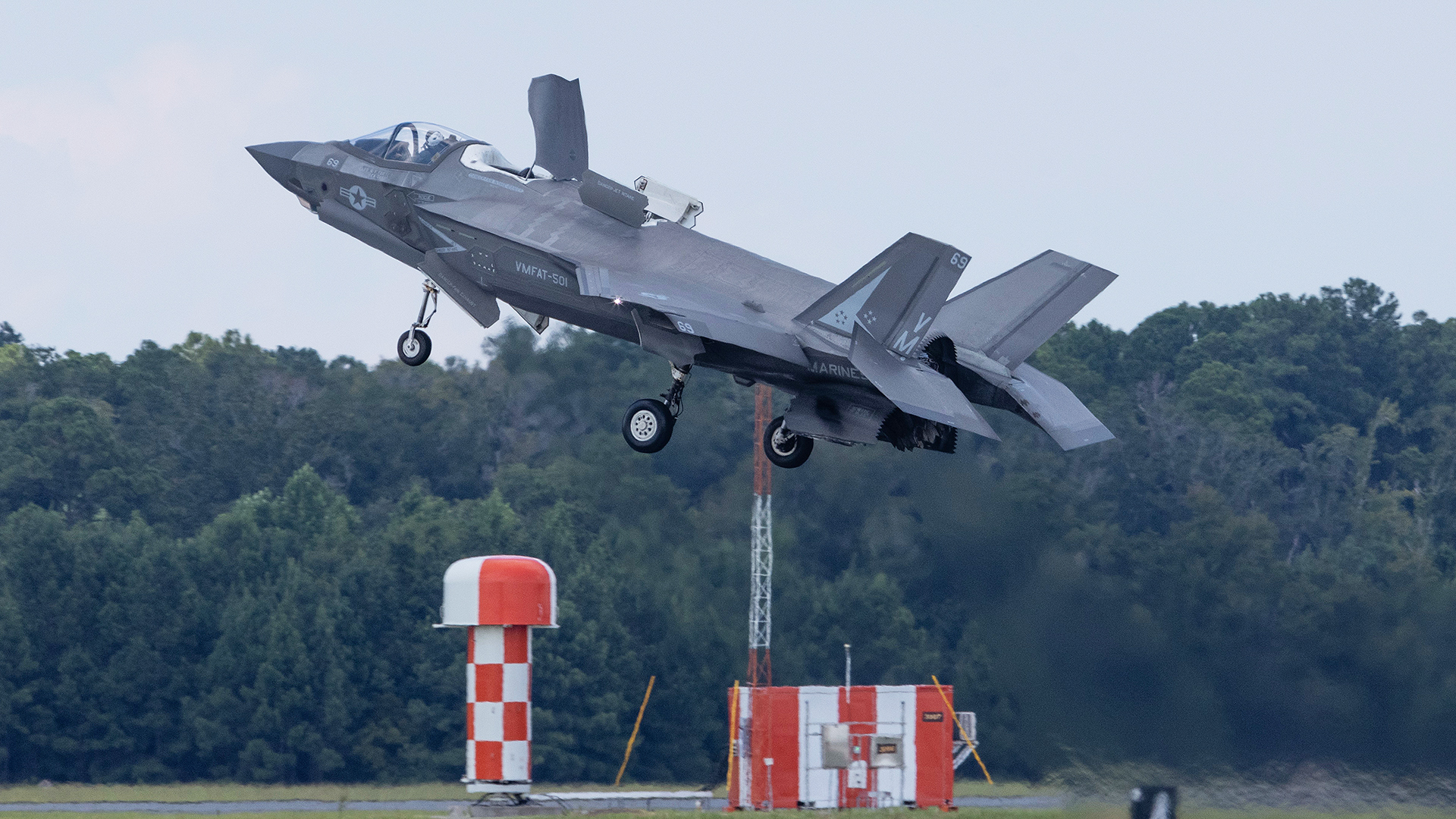
On a cold January morning in 2025, an F-35A from the 354th Fighter Wing was conducting a routine training flight at Eielson Air Force Base. As the pilot approached for landing, anomalies began to surface. The nose landing gear and main landing gear failed to deploy properly due to frozen hydraulic fluid contaminated with water. This contamination, likely introduced during maintenance, caused the gears to malfunction, triggering a cascade of system errors.
Sensors on the aircraft mistakenly detected that the jet was on the ground, prompting the engine to shut down while the plane was still airborne at approximately 100 feet. The pilot, demonstrating remarkable composure, initiated a 50-minute airborne conference call with engineers and maintenance personnel to troubleshoot the issue. Despite their efforts, the situation deteriorated, forcing the pilot to eject safely. The F-35 crash occurred moments later, with the jet impacting the runway and erupting in flames, resulting in a complete hull loss valued at $196.5 million.
Eyewitness accounts and initial reports described the scene as chaotic, with emergency responders quickly containing the fire. The pilot sustained only minor injuries, a testament to the F-35’s ejection system. This F-35 crash marks the latest in a series of incidents that have plagued the program, prompting immediate grounding of similar aircraft for inspections.
Investigation Findings: Root Causes and Contributing Factors
The U.S. Air Force’s Accident Investigation Board released its report on August 25, 2025, concluding that the primary cause was contaminated hydraulic fluid. Water in the system froze in Alaska’s sub-zero temperatures, leading to the landing gear failures. Secondary factors included sensor misreads and the aircraft’s automated systems responding incorrectly to the perceived ground contact.
The report highlighted maintenance protocols as a key area for improvement, noting that routine checks might not have detected the contamination. Human elements were also scrutinized; while the pilot’s actions were praised, the extended troubleshooting call raised questions about emergency procedures in high-stakes scenarios. Comparisons to prior crashes, such as the 2022 F-35C incident on the USS Carl Vinson attributed to pilot error, and the 2024 Marine F-35B crash due to misdiagnosed flight emergencies, reveal patterns in both mechanical and operational shortcomings.
Experts on platforms like Medium have weighed in, with one article emphasizing how environmental factors in extreme climates exacerbate such issues . The investigation recommends enhanced fluid testing, software updates to prevent false sensor triggers, and revised training for in-flight diagnostics.
Implications for the F-35 Program and Aviation Safety
This F-35 crash has broader ramifications for the U.S. military’s reliance on the jet, which forms the backbone of future air combat strategies. With over 1,000 F-35s delivered globally, any systemic flaw could lead to widespread groundings and costly retrofits. The incident has fueled debates in Congress about the program’s escalating expenses and reliability, especially as adversaries like China advance their own stealth fighters.
On a positive note, the swift investigation and transparent reporting demonstrate the military’s commitment to safety. Lessons from this F-35 crash could prevent future mishaps, reinforcing protocols in cold-weather operations. Industry analysts predict that Lockheed Martin will implement fixes, potentially involving advanced anti-freeze additives or automated contamination sensors.
Conclusion
The F-35 crash at Eielson Air Force Base serves as a stark reminder that even the most advanced technology requires meticulous oversight. From contaminated hydraulics to sensor errors, the investigation reveals a chain of events that could have been mitigated with better preventive measures. As the F-35 program evolves, incorporating these findings will be crucial to maintaining its edge in global defense. While incidents like this F-35 crash highlight vulnerabilities, they also drive innovation, ensuring safer skies for pilots and stronger security for nations.
FAQ
Q: What was the main cause of the January 2025 F-35 crash? A: The crash was primarily caused by hydraulic fluid contaminated with water that froze, leading to landing gear malfunctions and erroneous sensor readings.
Q: Did the pilot survive the F-35 crash? A: Yes, the pilot ejected safely and suffered only minor injuries after troubleshooting the issue mid-flight.
Q: How many F-35 crashes have occurred historically? A: Since 2014, over a dozen F-35 crashes or major incidents have been recorded, involving a mix of pilot errors and mechanical failures.
Q: What changes are recommended post-investigation? A: Recommendations include improved maintenance checks for fluid contamination, software updates for sensors, and enhanced training for emergency scenarios.
Q: Is the F-35 still considered safe? A: Despite occasional incidents, the F-35 is regarded as relatively safe compared to older aircraft, with ongoing improvements addressing known issues.
Comments are closed.