What Changes for Businesses After the 2026 Midterms: Taxes, Health Costs and AI Rules
Congress is now divided. Here is what experts expect for small business taxes, health costs, tariffs and AI rules, with both sides’ views and a planner.

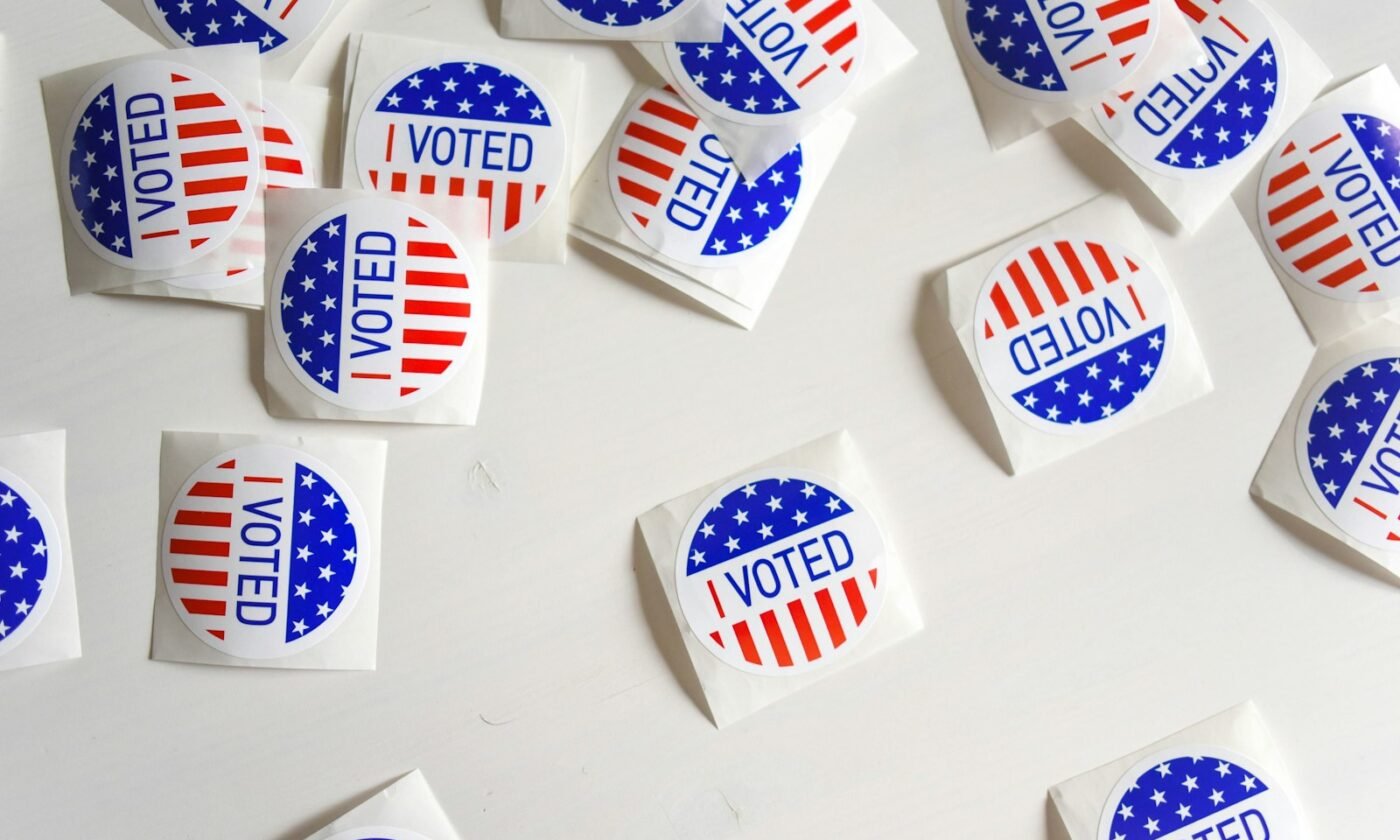
The 2026 midterm elections shifted control of Congress: according to analysis published on November 4, Democrats now hold majorities in both the House and the Senate, while the White House remains under Republican control. That split, known as divided government, usually makes big new laws harder to pass and oversight hearings more common. For a small business, that means fewer sudden changes in some areas, but more uncertainty in others, especially on taxes, health costs, tariffs and artificial intelligence rules.
This guide explains, in a neutral way, what is likely to change and what is not, what the main parties and business groups say and how to plan for 2027. It covers facts and published expectations, not predictions. The new Congress takes office in January, so nothing described here has been decided yet. For the next few weeks, the current Congress is still in charge, which we explain in our guide to the lame duck session.
What did the election change?
Control of Congress changed hands, and the effects begin when the new Congress is seated in January 2027. Until then, the existing Congress, still controlled by Republicans, can pass bills in a lame-duck session. After that, any law needs support from both a Democratic-led Congress and a Republican president, or enough votes to override a veto.
| Area | What analysts expect | What is not likely |
|---|---|---|
| Taxes | Large tax overhaul is hard; targeted provisions may ride on must-pass bills; more oversight of tax administration | A comprehensive tax rewrite in 2027 |
| Health costs | Hearings and investigations on affordability; narrower bipartisan measures on price transparency or prior authorization | Sweeping health reform |
| AI rules | Possible compromise on child protections, data center zoning and incident reporting; states keep acting | Broad federal AI law soon |
| Tariffs | More congressional scrutiny; Section 232 and 301 tariffs stand on firmer legal ground | Easy removal of existing tariffs |
| Government funding | Year-end deals during the lame duck; possible fights in 2027 | Zero conflict over spending |

What could change for small business taxes?
Existing tax law stays in place unless Congress and the president agree to change it. That includes the business provisions passed in 2025, such as 100% bonus depreciation, which we cover in our year-end tax moves guide. Analysts quoted by PwC say a major tax reform is difficult under divided government, but narrower provisions, for example on corporate tax, wage equity or AI, could be attached to must-pass bills. Expect more oversight of how the IRS runs its programs, and more tax changes from individual states, which add complexity for businesses in several states.
What to do: keep records tidy, work with a CPA on year-end planning and do not assume that rules will stay the same in 2028 and beyond.
What about health costs?
Health care affordability is expected to be a central issue, with more hearings and investigations. PwC’s analysis says targeted bipartisan measures, such as price transparency, cybersecurity and prior authorization, are more likely to move than major reform. Decisions about subsidies for plans on the Affordable Care Act marketplace will depend on agency rulemaking and congressional action, and no specific outcome has been announced.
What to do: ask your broker for 2027 renewal quotes early, compare plan designs, and review whether your group plan, an individual coverage option or another approach works best. Budget for some increase in premiums and plan for possible rule changes.
Will tariffs change?
According to the same analysis, Congress may have more capacity to challenge trade policy, but it cannot easily undo tariffs, and any attempt to reclaim authority would face a presidential veto. Tariffs under Sections 232 and 301 are described as on firmer legal ground than those under the emergency-powers law that the Supreme Court limited in 2026. If you import goods and paid duties last year, read our guide on claiming a tariff refund, which explains who can apply.
What about AI rules?
Comprehensive federal AI legislation is described as unlikely in the near term. Possible areas of compromise include protections for children, zoning for data centers, incident reporting and accountability for harmful uses. In the meantime, states such as California, New York, Connecticut and Illinois are filling the gap with their own rules. A business that uses AI in hiring, marketing or customer service should watch both federal news and the rules in each state where it operates. Our overview of AI agents for small business covers practical safeguards.
What do the main sides say?
People disagree about what the new balance of power means. Here are the arguments commonly made by each side, without endorsing either.
Views often expressed by supporters of the new Democratic majorities
- Stronger oversight of tax administration, tariffs, health costs and AI companies protects consumers and small firms.
- Targeted measures on health price transparency, wages and consumer protection can help working families and small employers.
- Checks on executive trade powers bring more predictability.
Views often expressed by supporters of the Republican administration and its allies
- Lower taxes, deregulation and light-touch AI rules support growth and investment.
- Divided government can stall new mandates and tax increases, which they say helps businesses plan.
- Tariffs and trade measures protect domestic industry and give leverage in negotiations.
Business groups on both sides tend to agree on a few points: predictability matters, uncertainty raises costs and small firms need clear rules and time to adjust. Where they differ is on which rules and taxes would serve those goals best.
2027 Policy Exposure Planner
Tick the areas that affect your business. The planner shows what to review first.
How should a small business plan for 2027?
- Make a short list of exposures: payroll, health coverage, imports, AI use and government dependence.
- Build scenarios, not predictions: one budget that assumes no change, one with higher costs and one with lower.
- Check state laws. Many changes will come from states, including wages. Our 2027 minimum wage by state guide shows what is already scheduled.
- Keep cash flexible. A 13-week cash forecast helps you adjust quickly.
- Follow reliable sources: official government sites, your trade association, your CPA and your broker.
- Avoid rushed decisions based on headlines. Wait for real laws and rules.
What happens in the lame duck?
Between the election and January, the current Congress may pass government funding bills, deal with the debt limit and possibly a year-end package. Analysts note that fiscal issues left unresolved could lead to harder negotiations in 2027. For business owners, the key dates to watch are funding deadlines and any tax provisions attached to year-end legislation.
How have earlier divided governments affected small business?
History offers a rough guide, though no two periods are alike. In years when Congress and the White House were controlled by different parties, major tax or health laws were rare, and most changes came through agency rules, court decisions and a handful of bipartisan bills. Small business owners often noticed the effects through regulations on overtime, benefits or contracting, and through the timing of government funding fights, rather than through headline legislation.
That pattern suggests three practical habits. First, watch rules from agencies such as the Treasury, the Labor Department and the Small Business Administration, because they can change requirements without a new law. Second, pay attention to funding deadlines, because a shutdown or a stalled budget can delay loans, contracts and permits. Third, keep an eye on your state legislature, which may matter more to your costs than Washington does. A business that plans for each of these can stay calm when a headline changes overnight.
Who should pay attention?
- Owners and finance leads setting 2027 budgets.
- Employers renewing health coverage.
- Importers and manufacturers affected by tariffs.
- Companies using AI in customer-facing work.
Risks and limits
This article reflects expert analysis published in early November 2026 and describes expectations, not laws. Seat counts, committee leadership and legislative priorities may change as the new Congress is organized. We do not endorse any party, candidate or policy, and nothing here is legal, tax or political advice. Check official sources and speak with your own advisers.
Quick checklist
- List your top three policy exposures.
- Build two or three budget scenarios.
- Request 2027 insurance and health quotes early.
- Watch lame-duck funding and tax news.
- Check state rules where you operate.
- Review the plan again after Congress is seated in January.
Frequently asked questions
Who controls Congress after the 2026 midterms?
According to analysis published on November 4, 2026, Democrats hold majorities in both the House and the Senate, while the administration remains Republican.
When does the new Congress start?
The new Congress is seated in January 2027. Until then, the current Congress can still pass legislation in a lame-duck session.
Will taxes change for small businesses?
Existing law stays in place unless Congress and the president agree to change it. Major reform is described as difficult under divided government, but targeted changes could be added to must-pass bills.
Will AI be regulated at the federal level?
Comprehensive federal AI law is described as unlikely soon, while states are creating their own rules.
Will tariffs be removed?
Congress has limited ability to unwind tariffs, and a presidential veto would apply to attempts to reclaim authority. Check official trade guidance for specific duties.
Where should I get reliable updates?
Use official government websites, your CPA, your insurance broker and your trade association.
Final takeaways
- Democrats won majorities in both chambers, while the White House stays Republican, creating divided government.
- Major new laws are harder to pass, so expect more oversight than sweeping change.
- Current tax rules stay unless both sides agree to change them.
- Plan with scenarios, and watch state rules as well as Washington.

Daniel Reyes
Daniel Reyes leads the Businesstomark editorial desk, covering business news, company strategy and the tech products that shape how people work. He focuses on clear, practical explainers that help readers make smarter decisions, from choosing tools to understanding market moves.