Activated Carbon vs. Other Adsorbents: Which Material Is Right for Your Treatment Process?

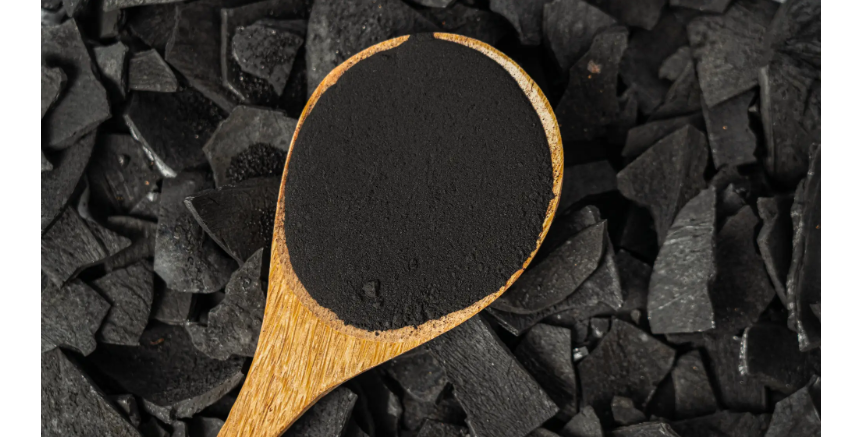
Choosing the right adsorbent is an important step in designing an effective water, air or industrial treatment process. Different materials offer different advantages depending on the contaminants being removed, the operating conditions and the required treatment results. Understanding these differences helps businesses select a suitable solution for their specific applications. With advances in activated carbon manufacturing, industries have access to versatile adsorption materials that support a wide range of purification and separation processes.
Although several adsorbents are available, activated carbon remains a popular choice because of its porous structure, large surface area and ability to capture various unwanted substances. However, alternatives such as silica gel, zeolites and activated alumina can also offer benefits in particular situations. The key is to understand how these materials work and determine which one best meets the needs of the treatment process.
What Is an Adsorbent?
An adsorbent is a material that attracts and retains molecules on its surface. This process, known as adsorption, is widely used to remove unwanted substances from liquids and gases. Adsorbents are commonly applied in water purification, air treatment, chemical processing and industrial manufacturing.
The effectiveness of an adsorbent depends on several factors, including its surface properties, pore structure, the type of contaminant and the conditions under which treatment takes place. Selecting the right material can help improve treatment efficiency and support consistent process performance.
Understanding Activated Carbon
Activated carbon is a highly porous material designed to capture a broad range of impurities through adsorption. Its extensive internal surface area provides numerous sites where contaminants can attach, making it useful for treating both liquid and gaseous streams.
It is widely used in drinking water purification, wastewater treatment, air filtration, odour control and industrial process applications. Depending on the treatment requirements, activated carbon can be supplied in different forms, including granular activated carbon and powdered activated carbon.
Its versatility makes activated carbon a practical option for industries seeking to improve product quality, reduce unwanted contaminants and meet process requirements.
Key Factors to Consider When Choosing an Adsorbent
Selecting an adsorbent involves more than comparing material properties. The most appropriate option should match the needs of the process and the characteristics of the stream being treated.
Important considerations include:
- Contaminant type: Different adsorbents have different affinities for organic compounds, moisture, ions and other substances.
- Treatment objectives: The required outcome may involve odour reduction, purification, moisture control or the removal of specific contaminants.
- Operating conditions: Temperature, pH, flow rate and the composition of the liquid or gas can influence adsorption performance.
- Operational costs: Material requirements, replacement frequency, regeneration options and disposal considerations all affect overall treatment costs.
Evaluating these factors helps businesses make informed decisions and avoid selecting a material that is unsuitable for their process.
The Importance of Pore Structure and Surface Area
The pore structure and surface area of an adsorbent influence how effectively it interacts with contaminants. Activated carbon has an extensive network of pores that provides a large internal surface for adsorption.
However, a high surface area alone does not guarantee the best results. Pore size distribution, surface chemistry and the size of the target molecules also influence performance. A material must have suitable adsorption characteristics for the substances being removed.
This is why choosing the right grade of activated carbon is important. Matching the material to the application can help achieve more effective treatment and support reliable process operation.
Can Different Adsorbents Be Used Together?
In some treatment systems, combining different adsorbents can provide a more comprehensive solution. For example, a process may use one material to address a specific contaminant before another material is used for further purification.
Activated carbon can form part of a multi-stage treatment system in which different technologies perform complementary roles. Such arrangements may be useful when the incoming stream contains several types of contaminants or when the required treatment standard is particularly demanding.
The suitability of a combined approach depends on the process design, contaminant profile and operating requirements. A proper assessment helps determine whether multiple materials are necessary or whether a single adsorbent can achieve the desired results.
Why Material Quality Matters
Regardless of the adsorbent selected, material quality plays an important role in treatment performance. Variations in physical properties, particle size and adsorption characteristics can affect how a material behaves under operating conditions.
For activated carbon, selecting an appropriate product requires consideration of the raw material, pore structure, intended application and required performance characteristics. Consistent quality can help businesses maintain predictable treatment results and manage their operational requirements.
Working with an experienced supplier can also help industries identify suitable grades and understand the practical considerations associated with different treatment applications.
Finding the Right Solution for Your Treatment Process
There is no single adsorbent that is ideal for every application. Silica gel is commonly used for moisture control, zeolites can provide selective adsorption, and activated alumina is valuable for certain targeted treatment needs. Activated carbon offers versatility across many water, air and industrial purification processes, particularly where organic contaminants, unwanted tastes or odours need to be addressed.
The best choice depends on the specific contaminants, operating conditions, treatment goals and overall process requirements. By evaluating these factors carefully, businesses can select an adsorbent that supports efficient and reliable treatment.
Conclusion
Activated carbon and other adsorbents each serve important roles in industrial treatment processes. While materials such as silica gel, zeolites and activated alumina are well suited to particular applications, activated carbon remains a versatile option for a wide range of purification requirements. Understanding the strengths and limitations of each material helps businesses make informed decisions based on their treatment objectives. With the right material selection and appropriate process design, industries can improve purification performance, maintain consistent output quality and support more effective treatment operations.

Daniel Reyes
Daniel Reyes leads the Businesstomark editorial desk, covering business news, company strategy and the tech products that shape how people work. He focuses on clear, practical explainers that help readers make smarter decisions, from choosing tools to understanding market moves.