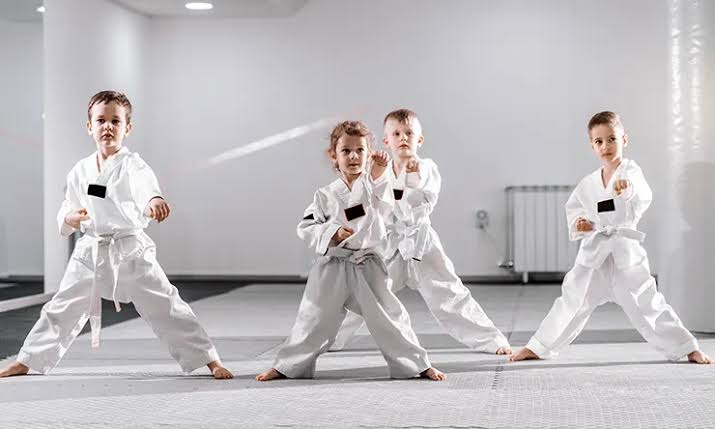
Martial arts training has become increasingly popular in recent years as a means of preventing bullying among children. By teaching children, the necessary skills for self-defense, as well as important values such as respect, discipline, and empathy, martial arts classes can help children develop the confidence and mental toughness they need to avoid being bullied
Karate, in particular, has emerged as a popular choice for children due to its emphasis on striking and kicking techniques. Karate classes typically involve a series of exercises, drills, and techniques that are taught by a qualified instructor. Through martial arts training, children not only learn self-defense techniques, but also valuable life skills such as goal setting, hard work, and overcoming challenges.
This article will explore the benefits of martial arts training for children, including its ability to build confidence, self-esteem, physical fitness, and mental toughness. Additionally, we will provide insight into the various types of martial arts styles available to children, as well as how martial arts classes can be found and accessed.
Benefits of Martial Arts Training for Children
Self-Defense: Martial arts training provides children with the necessary skills to protect themselves from physical and verbal bullying. Children learn how to defend themselves and others who may be the target of bullying. They also learn the importance of communication and assertiveness, and how to seek help from adults when necessary.
Values: Martial arts classes teach children important values such as respect, discipline, and empathy. By instilling these values, children develop positive relationships with their peers and are less likely to become bullies themselves.
Confidence and Self-Esteem: Children who practice martial arts learn to set goals, work hard, and overcome challenges. As they progress through the ranks, they gain a sense of accomplishment and pride in their achievements. This sense of self-worth can help children feel more confident and less vulnerable to bullying.
Physical Fitness: Martial arts classes help children improve their physical fitness and coordination. The practice of martial arts involves a high degree of physical activity, including striking, kicking, and sparring. This can help children develop their strength, endurance, and agility.
Mental Toughness: Martial arts training involves a high degree of mental focus and discipline. Children learn to concentrate and stay focused, even in the face of adversity. This mental toughness can help children improve their academic performance and overall cognitive function.
Finding Martial Arts Classes
Martial arts classes can be found in many different settings, including schools, community centers, and private studios. Some classes may be geared specifically towards children, while others may be open to all ages. Instructors can provide personalized training programs and assessments to help students progress at their own pace.
It is important to choose a qualified instructor who has experience working with children and who can create a safe and supportive learning environment. Parents should also consider the location and cost of the classes, as well as the instructor’s teaching style and approach. A good sensei is crucial for a child’s martial arts journey to be a successful one. By instilling the right values and techniques, a qualified instructor can help children develop the confidence and mental toughness they need to avoid being bullied.
It is important to choose a reputable martial arts school with qualified instructors who have experience working with children and who can create a safe and supportive learning environment.