Tesla and SpaceX Merger Talk: What Business Owners and Investors Should Know
Musk says a Tesla–SpaceX merger would be a good idea, but no deal is agreed. Here are the facts, the approval steps and what owners should do.

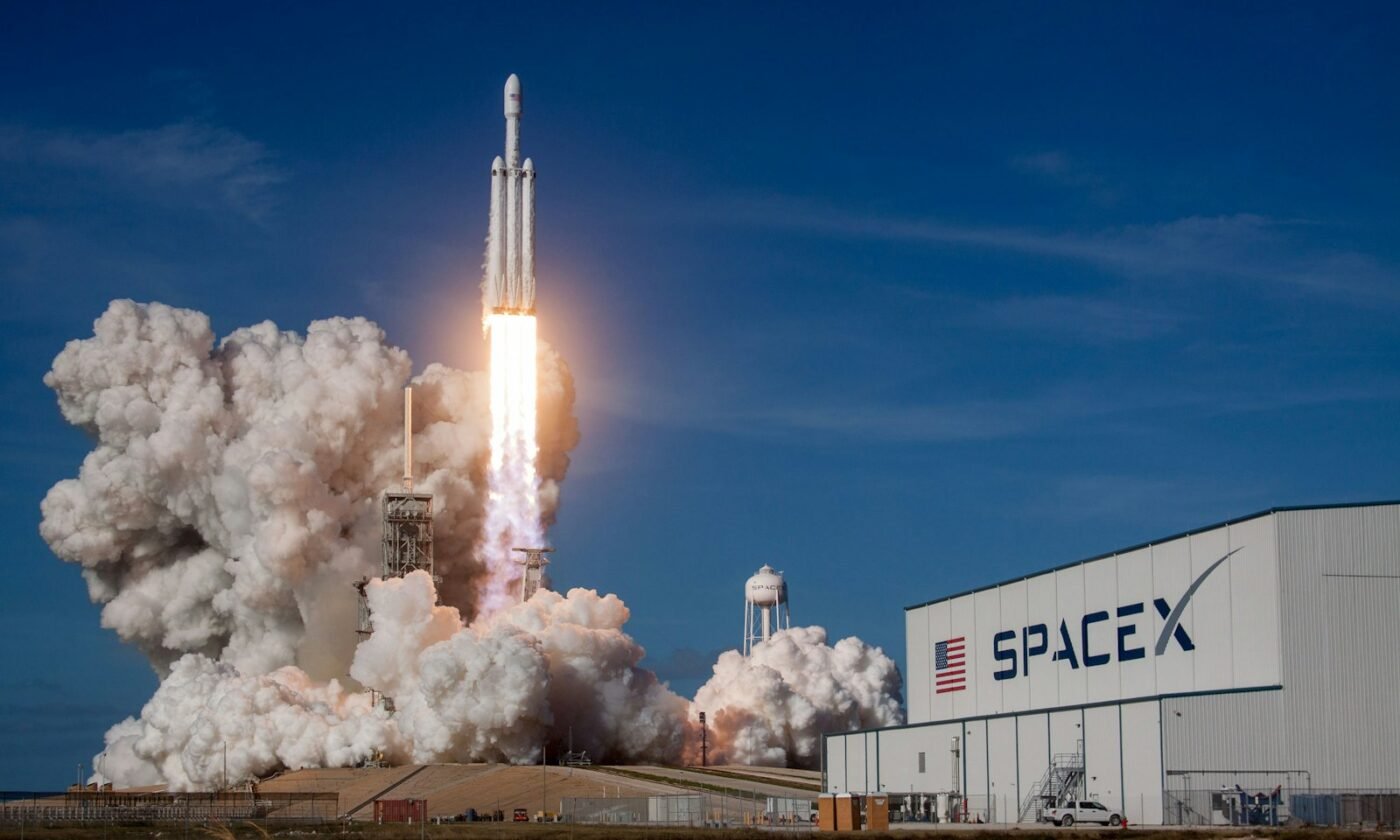
On October 20, Elon Musk said on SpaceX’s third-quarter earnings call that merging Tesla and SpaceX would be “a good idea.” It was the first public confirmation that the two companies were formally discussing a combination. At the same time, no deal has been agreed, no terms have been announced and Musk himself pushed back on the idea that a merger is inevitable. This guide sticks to what has been reported, explains how a deal like this would have to work and covers what business owners and investors should and should not conclude from the headlines.
It is general information, not investment advice. If you own shares in either company, or depend on products from Musk’s companies, the sensible step is to follow official filings and speak with a licensed adviser. For a related look at how fast these companies change, see our note on Musk’s SpaceX pledge.
What did Musk actually say?
- When and where: on Tuesday, October 20, on SpaceX’s third-quarter earnings call.
- The statement: a merger of Tesla and SpaceX would be “a good idea.”
- The process: the boards of both companies have formed special committees of independent directors to discuss a possible tie-up, formed at shareholders’ request.
- His role: Musk said that, as a conflicted party, he cannot take part in the committees’ discussions.
- Status of terms: the committees have not agreed on the terms of any transaction.
- Inevitability: he called the idea that a merger is a done deal an overstatement.

What does a deal like this have to go through?
Merging two very large public companies is not a quick decision. In broad terms, the steps usually look like this, though the exact path would depend on how a deal was structured:
- Independent review. Special committees of independent directors negotiate and decide whether a deal is fair to shareholders. Both companies have formed these committees.
- Advisers and valuation. Each side hires financial and legal advisers to value the companies and set terms.
- Board approval. If the committees agree, the full boards vote.
- Regulatory filings. Documents are filed with the Securities and Exchange Commission, and antitrust reviews may apply.
- Shareholder votes. Reports say that on the Tesla side a deal would need approval from 50% of all shares, not just the shares that vote.
- Closing. If every step succeeds, the transaction closes and the companies combine.
Barclays has suggested a deal could be announced before Tesla’s annual meeting in December, according to reports. That is an analyst’s view and not a company statement. Each step can fail or be delayed, which is why no one can say whether, when or on what terms it will happen.
How is SpaceX doing?
The merger comments came alongside SpaceX’s results. Reports said SpaceX shares rose about 5% in after-hours trading after it posted 161% revenue growth for the quarter, beating Wall Street estimates, and its first profit as a public company. The reports we reviewed did not give a profit figure.
| Question | What is known | What is not known |
|---|---|---|
| Is a merger agreed? | No | Whether it will happen |
| Are the companies talking? | Yes, through special committees | Terms and timing |
| Does Musk take part? | No, as a conflicted party | How shareholders will vote |
| Is approval needed? | Yes, including 50% of all Tesla shares | The deal structure |
What could it mean for business owners?
Nothing changes today for customers of either company. Still, small businesses use Musk-linked products in many ways: Tesla vehicles in fleets, Starlink internet at remote sites, advertising or tools on X and AI products such as Grok. A combination, if it ever happens, could affect billing, support or product bundles in the long run, but there is no announced plan, so avoid acting on guesses.
Practical steps that make sense now
- List which Musk-company products your business depends on, such as vehicles, satellite internet or advertising.
- Keep a backup for any single critical service, such as a second internet connection.
- Do not prepay for long contracts only because of merger rumors.
- Read official announcements and filings, not social posts, before changing plans.
- Ask your accountant how any future share exchange would be taxed if you own shares.
If you use Grok or other AI products from these companies, our guide to Grok bot usage limits for small businesses explains how limits and pricing have been changing. And for vehicle decisions, see how we handled the news about the Cybertruck production wind-down.
Musk-Company Dependency Checklist
Tick each item that applies to your business. The result shows how much a change at these companies could affect you.
How should you read merger headlines?
News about possible deals moves fast and often gets ahead of the facts. A few habits help:
- Look for who said it. A company statement, a regulatory filing and an analyst’s guess are different things.
- Separate “talks” from “agreement.” Talks can end with no deal.
- Check the date. Merger stories change week to week.
- Watch for unnamed sources, which can be wrong.
- Wait for official documents before making financial decisions.
What do the two companies have in common?
Reports have pointed to growing overlap, such as shared interest in satellites, AI, robotics and energy. They are separate companies with separate shareholders, boards and finances, and any combination would require the approvals described above. Overlap alone does not guarantee a merger, which is why the committees were set up to examine whether a deal would be fair.
What are the main arguments people make?
Because this is a contested topic, it helps to see both sides described fairly. We are not taking a position on either.
Arguments made in favor
- Supporters point to overlap in technology, such as satellites, AI and robotics, and say a combined company could share engineering and capital more efficiently.
- They argue that SpaceX’s growth and new profitability could help fund long-term projects.
- Some shareholders asked for the special committees to examine the idea, which shows there is investor interest in studying it.
Concerns raised
- Critics worry about governance, because Musk leads both companies and is a conflicted party in any negotiation.
- Some investors prefer to keep a car and energy company separate from a space and satellite company, which have very different risks.
- Others point out that a combined company would be larger and more complex, which could draw regulatory attention.
Both sets of arguments are reported by commentators and analysts, and neither has been tested by an actual deal. The special committees exist precisely to weigh them on behalf of shareholders. For a business owner, the neutral takeaway is simple: keep your own plans flexible, and wait for facts before reacting.
Who should pay attention?
- Shareholders in either company, who should read official filings and consult an adviser.
- Fleet owners and contractors who use Tesla vehicles.
- Rural and remote businesses using Starlink.
- Marketers and creators who use X or Grok.
Risks and limits
All information here comes from news reports of Musk’s remarks and related coverage as of November 11, 2026. Talks could end, change shape or lead to a deal on very different terms. We do not predict the outcome, and nothing here is advice to buy, sell or hold any stock. This article does not take a side for or against a merger.
Whatever happens, protect your own business with a simple cash flow forecast and a backup for any service you cannot do without.
Quick checklist
- List the Musk-company products you use.
- Add a backup for the most critical one.
- Avoid long prepayments based on rumors.
- Follow official filings and announcements.
- Talk to a licensed adviser if you hold shares.
Frequently asked questions
Are Tesla and SpaceX merging?
No deal has been agreed. Musk said a merger would be a good idea, and both boards have formed special committees to discuss it, but terms have not been agreed.
When did Musk make the comments?
On Tuesday, October 20, 2026, on SpaceX’s third-quarter earnings call.
Does Musk take part in the talks?
He said that as a conflicted party he cannot take part in the committees’ discussions.
What approval would a deal need?
Reports say a Tesla deal would need approval from 50% of all Tesla shares, not just the shares that vote, plus board and regulatory steps.
Will my Tesla or Starlink service change?
Nothing has been announced. Follow official statements before making changes.
Is this investment advice?
No. It is general information. Consult a licensed financial adviser before making investment decisions.
Final takeaways
- Musk said on October 20 that a Tesla–SpaceX merger would be a good idea, but no deal has been agreed.
- Independent special committees at both companies are discussing it; Musk is not taking part.
- A Tesla deal would need approval from 50% of all shares.
- Customers should not change plans until there is an official announcement.

Daniel Reyes
Daniel Reyes leads the Businesstomark editorial desk, covering business news, company strategy and the tech products that shape how people work. He focuses on clear, practical explainers that help readers make smarter decisions, from choosing tools to understanding market moves.