Tesla Cuts Cybertruck Production in Texas: What It Says About EV Demand
Tesla will wind down Cybertruck production in Texas around mid-2027. Here is what the facts show about the truck, the Cybercab and EV demand.

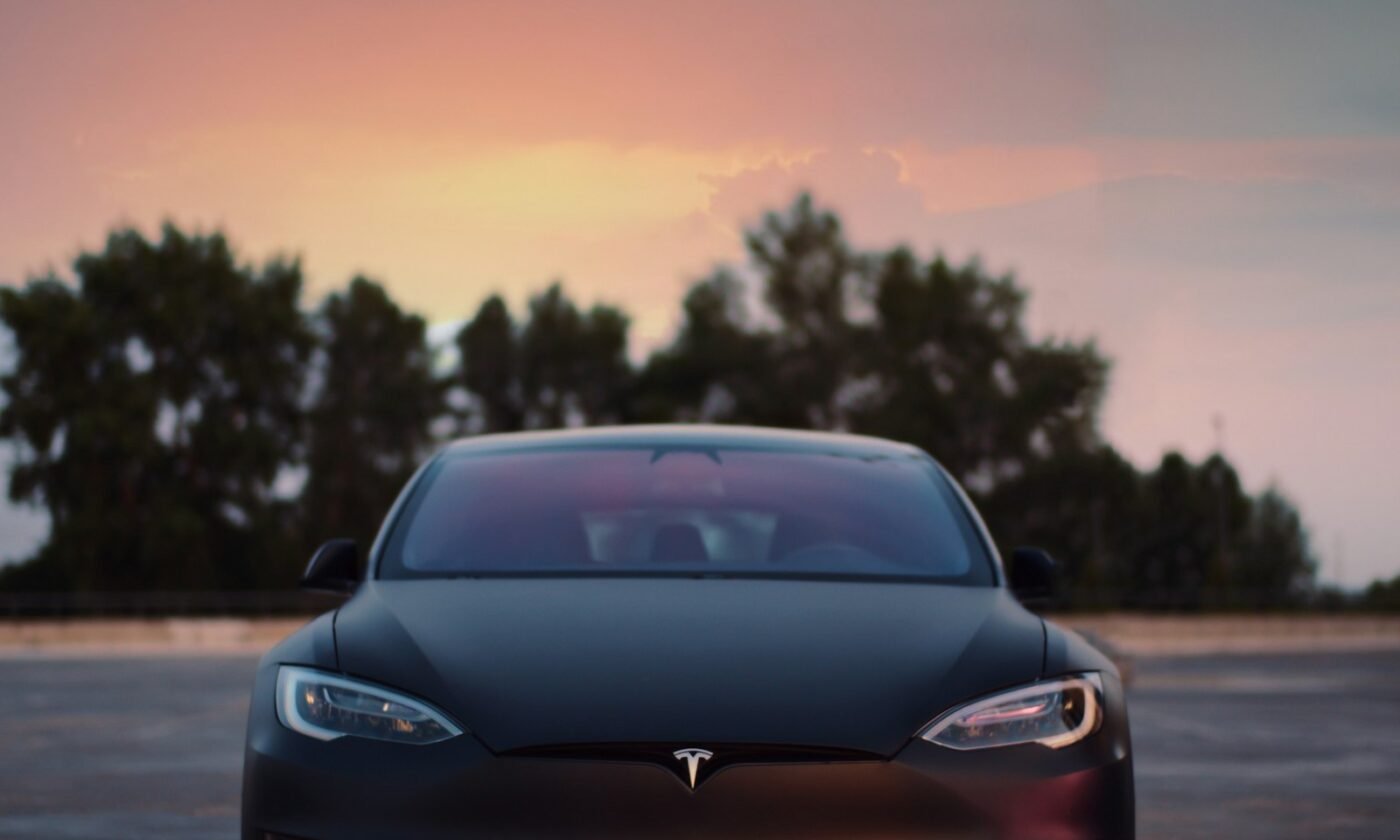
On November 6, Elon Musk said Tesla will wind down Cybertruck production at its Texas factory around mid-2027, in a post on X. He said the move would free capacity to build more Cybercab robotaxis. For a vehicle that was once forecast to sell 250,000 units a year, it is a dramatic turn. The facts are clear: sales have been weak for years and the company is shifting its focus. What they say about the wider electric vehicle market is less clear, and this guide separates the two.
If your business owns a Cybertruck, runs a fleet or is weighing an electric truck, the practical questions matter most: what happens to parts and service, what does it mean for resale value and how should you evaluate any vehicle you plan to keep for years? We also include a free ownership cost calculator. For the money side of any vehicle decision, pair this with our cash flow forecast for small business.
What did Tesla announce?
- The announcement: Musk said on X that Cybertruck production at Giga Texas will wind down around mid-2027.
- The reason given: to make room for more Cybercabs, the two-seat robotaxi central to Tesla’s autonomy plans.
- What he called it: the “best vehicle Tesla has ever made” and the “end of an era.”
- What was not said: reports do not say whether production moves elsewhere or ends completely. The Austin plant is the only known Tesla site equipped to make the model’s special parts.

How has the Cybertruck actually sold?
According to Kelley Blue Book figures cited in reports, Tesla sold 20,237 Cybertrucks in the United States in 2025. That was down 48% from 38,965 in 2024. Around the time production began in 2023, Musk predicted annual sales of 250,000 trucks. Reports also noted that SpaceX bought $131 million of Cybertrucks from Tesla in 2025 at list price, according to its IPO filing, and that the National Highway Traffic Safety Administration lists 11 recalls for the model since late 2023.
| Year | U.S. Cybertruck sales | Source note |
|---|---|---|
| 2024 | 38,965 | Kelley Blue Book, as cited in reports |
| 2025 | 20,237 (down 48%) | Kelley Blue Book, as cited in reports |
| Original prediction | Up to 250,000 per year | Musk, around the 2023 launch |
What about the Cybercab?
Tesla began paid rides in a small Cybercab fleet in Austin in September. NHTSA opened an audit that month into whether Tesla properly self-certified the vehicle. Production started earlier this year, and Tesla lists installed capacity above 125,000 units. Of the 1,200-plus Tesla robotaxis operating in Texas, about 570 are Cybercabs. The Cybercab has not yet proven itself commercially, and analysts quoted in reports say Tesla’s turn toward robotics and autonomy has come at the expense of its electric vehicle business.
Those are the facts. Whether the strategy works is an open question that depends on regulators, technology and customer demand, none of which we can predict. If you follow how Musk’s companies are changing, our coverage of Musk and SpaceX gives more background.
Does this say anything about EV demand overall?
It says something about one truck, not the whole market. The Cybertruck is an unusual, high-priced vehicle with a distinctive design and a record of recalls. Weak sales of one model do not by themselves prove that demand for electric vehicles is falling. Tesla’s own explanation is a change of priorities, not an admission that EVs have stopped selling. Judge the broader market with industry-wide sales data, not one product’s story.
What should Cybertruck owners and fleet buyers do?
Check service and parts commitments
A vehicle that is discontinued still needs parts and repairs. Ask Tesla service in writing how long it expects to support the Cybertruck and which components are unique to the model.
Review your warranty and recalls
Confirm the warranty terms, check open recalls on the NHTSA website using your VIN and keep service records in order.
Expect resale values to move
Discontinued vehicles can become collectible or lose value quickly, depending on supply, parts and demand. No one can say which way it will go, so avoid assuming a high resale price in your numbers.
Insurance and financing
Tell your insurer and lender if you own a specialty vehicle, and ask whether repair costs or parts availability could change your premium.
Vehicle Ownership Cost Calculator
Compare the yearly cost of owning a vehicle. Enter your own numbers for any truck or van.
Try the calculator twice: once with an optimistic resale value and once with a cautious one. If the vehicle only makes sense with the optimistic number, the risk is on you.
How should a business evaluate any new vehicle in a shifting market?
- Define the job: payload, range, towing and daily distance.
- Compare at least three models on total cost, not sticker price.
- Ask how long the maker commits to parts and service.
- Check charging access at your site if the vehicle is electric.
- Read recall and complaint data on NHTSA’s website.
- Run the numbers with a cautious resale value.
- Make sure the monthly payment fits your cash flow and margins, using a break-even calculation.
The timeline in brief
| When | What happened |
|---|---|
| Around 2023 | Cybertruck production begins; Musk predicts up to 250,000 sales a year |
| Late 2023 onward | NHTSA lists 11 recalls for the model |
| 2024 | 38,965 U.S. sales, according to Kelley Blue Book |
| 2025 | 20,237 U.S. sales, down 48%; SpaceX buys $131 million of Cybertrucks at list price |
| September 2026 | Paid Cybercab rides begin in Austin; NHTSA opens an audit into self-certification |
| November 6, 2026 | Musk announces the Cybertruck wind-down for around mid-2027 |
What should you ask before buying a discontinued vehicle?
If the price of a Cybertruck or any other model drops because production is ending, the deal can look tempting. Slow down and ask a few questions first:
- How long will the maker supply parts, and are the parts shared with other models?
- Will independent repair shops be able to fix it, or does everything go through the manufacturer?
- What does the warranty cover, and does it transfer to a second owner?
- Are there open recalls, and how were earlier ones handled?
- What do insurers charge for this vehicle compared with similar trucks?
For a business, downtime is the biggest hidden cost. A truck that sits in a repair queue for weeks costs far more than a slightly higher purchase price on a model with strong service support. If the answers are vague, choose a model with a clear service network and a long history of available parts, and keep a backup vehicle plan for busy seasons.
Finally, keep the bigger picture in view. Companies change direction all the time, and a product ending does not automatically make it a bad vehicle. What matters for your business is a clear plan: written service commitments, realistic resale numbers, adequate insurance and a spare option if the vehicle is out of action. Review that plan every year, and update it whenever the manufacturer announces a change.
Who should pay attention?
- Cybertruck owners and people on a waiting list.
- Fleet managers and contractors considering electric trucks.
- Dealers and lenders that handle discontinued vehicles.
- Investors and analysts who follow Tesla’s product plans, who should consult licensed advisers.
Risks and limits
Production plans can change, and the statements reported here come from Musk’s post and news coverage. Sales figures are estimates from industry data. This article is general information and not financial, legal or investment advice, and it does not recommend buying or selling Tesla shares or any vehicle.
Quick checklist
- Confirm warranty and open recalls.
- Ask about long-term parts and service.
- Use cautious resale values.
- Compare total ownership cost.
- Check insurance and financing terms.
- Review the decision when new facts emerge.
Frequently asked questions
When will Tesla stop making the Cybertruck?
Musk said production at the Texas factory will wind down around mid-2027, according to news reports of his post on X.
Why is Tesla winding it down?
Reports cite years of weak sales and Musk’s statement that the change lets Tesla build more Cybercab robotaxis.
How many Cybertrucks did Tesla sell in 2025?
About 20,237 in the United States, down 48% from 38,965 in 2024, according to Kelley Blue Book figures cited in reports.
Will existing Cybertrucks still get service and parts?
Tesla has not detailed this in the reports we reviewed. Owners should ask Tesla service for written commitments.
Does this mean EV demand is falling?
Not by itself. One model’s sales do not describe the whole market. Look at industry-wide sales data.
Is this investment advice?
No. It is general information. Speak with a licensed adviser before making financial decisions.
Final takeaways
- Tesla plans to wind down Cybertruck production in Texas around mid-2027, per Musk.
- U.S. Cybertruck sales fell 48% in 2025 to 20,237 units.
- One model’s sales do not describe the whole EV market.
- Owners should confirm service, parts and resale assumptions.

Daniel Reyes
Daniel Reyes leads the Businesstomark editorial desk, covering business news, company strategy and the tech products that shape how people work. He focuses on clear, practical explainers that help readers make smarter decisions, from choosing tools to understanding market moves.