
The automotive world is undergoing a profound transformation. Across the globe, drivers are increasingly choosing electric vehicles over traditional gasoline-powered cars. Whether motivated by environmental concerns, financial savings, or impressive driving dynamics, the shift toward switching to electric vehicles is gaining momentum. In 2025, global electric car sales topped 20 million, with one in four new cars sold worldwide being electric.
This article explores the multifaceted reasons behind this trend, providing a balanced view of benefits, potential drawbacks, and actionable advice for those considering the change. Whether you’re a first-time buyer or simply curious about the future of mobility, you’ll find clear insights to inform your decision.
The Surge in EV Popularity: Market Trends and Statistics
Electric vehicle adoption has accelerated dramatically. According to the International Energy Agency (IEA), electric cars accounted for a significant portion of new sales in major markets like China, Europe, and the United States. Projections indicate continued growth, with EVs potentially reaching 40-50% of U.S. passenger car sales by 2030 in optimistic scenarios.
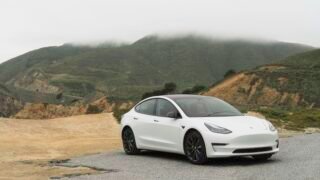 Also readTesla Q3 2026 Earnings Preview: 6 Things to Watch Today
Several factors contribute to this surge. Falling battery prices, improved technology, and supportive policies have made EVs more accessible. In many regions, total cost of ownership for EVs is now lower than for internal combustion engine (ICE) vehicles due to cheaper “fuel” and reduced maintenance.
Real-world examples abound: Urban commuters in cities with high gas prices report substantial monthly savings, while families appreciate the quiet, smooth ride for daily errands and road trips.
Environmental Benefits: Driving Toward a Greener Future
One of the strongest drivers for switching to electric vehicles is the positive impact on the planet. EVs produce zero tailpipe emissions, significantly reducing greenhouse gases and local air pollution compared to gasoline cars.
Over their lifetime, EVs generally emit far less carbon dioxide, even accounting for battery production and electricity generation. Studies from MIT confirm that EVs create fewer emissions under nearly any conditions. As grids incorporate more renewables, the advantage grows.
Key Environmental Advantages:
- Reduced urban smog and improved public health.
- Lower contribution to climate change.
- Support for energy independence by decreasing oil reliance.
For environmentally conscious consumers, this aligns personal transportation choices with broader sustainability goals.
Cost Savings: Why Your Wallet Loves EVs
Financial incentives make switching to electric vehicles appealing for many households. Electricity is typically cheaper than gasoline, with EV drivers often spending 50-60% less on fueling.
Maintenance costs are also lower. EVs have fewer moving parts—no oil changes, spark plugs, or complex transmissions—leading to about 40% lower repair expenses per mile.
Government incentives amplify savings. In the U.S., federal tax credits up to $7,500 for qualifying new EVs, plus state rebates and utility incentives, offset upfront costs. Many buyers recoup the premium within a few years through operating savings.
Practical Example: A driver logging 15,000 miles annually in a high-gas-price area could save thousands yearly. Over a 10-year ownership period, the difference can exceed $10,000 or more, depending on location and usage.
Performance and Driving Experience: Instant Power and Smooth Rides
EVs excel in performance. Electric motors deliver instant torque, enabling rapid acceleration—often outperforming gas cars in 0-60 mph tests. The low center of gravity from underfloor batteries improves handling and stability.
Additional perks include:
- Near-silent operation for a peaceful cabin.
- Regenerative braking that extends range and reduces brake wear.
- Advanced features like over-the-air updates and sophisticated driver assistance systems.
Enthusiasts and everyday drivers alike praise the responsive, fun-to-drive nature of EVs, making daily commutes more enjoyable.
Technological Advancements Making EVs More Appealing
Battery technology has improved leaps and bounds. Ranges now commonly exceed 300 miles per charge, addressing earlier limitations. Faster charging and better thermal management mitigate concerns in extreme weather.
Innovations like vehicle-to-grid (V2G) technology allow EVs to support the electrical grid, potentially earning owners money by feeding power back during peak demand.
Manufacturers offer diverse models—from affordable compacts to luxury SUVs and trucks—catering to varied needs and budgets.
Government Incentives and Policies Accelerating Adoption
Policies worldwide encourage switching to electric vehicles. Tax credits, rebates, and infrastructure investments lower barriers.
In the U.S., the Inflation Reduction Act and Infrastructure Investment and Jobs Act have funded charging networks and domestic manufacturing. Many states add their own perks, such as HOV lane access or reduced registration fees.
These measures not only help individual buyers but also stimulate industry growth, leading to more competitive pricing and innovation.
Expanding Charging Infrastructure: Easing the Transition
Range anxiety has long been a hurdle, but infrastructure is catching up rapidly. Public charging ports continue to grow, with significant increases in DC fast chargers.
Home charging is convenient for most drivers—overnight top-ups via a standard Level 2 charger suffice for daily needs. Public networks along highways support longer trips.
Tips for New EV Owners:
- Install a home charger for convenience and lower rates.
- Use apps to locate stations and monitor availability.
- Plan routes with charging stops for road trips.
Myths about charging times are fading as ultra-fast options (under 20-30 minutes for substantial range) become widespread.
Comparing Benefits vs. Drawbacks: A Balanced Perspective
While advantages are compelling, it’s important to weigh potential challenges.
Benefits Summary:
- Lower operating and maintenance costs.
- Superior performance and comfort.
- Environmental leadership.
- Access to incentives and advanced tech.
Potential Drawbacks:
- Higher upfront purchase price (though narrowing and offset by savings).
- Charging infrastructure varies by location.
- Range can be affected by weather, driving style, and load.
For many, benefits outweigh drawbacks, especially with home charging access. Hybrids serve as a bridge for those needing more flexibility.
Expert Tip: Calculate your total cost of ownership using online tools from sources like the U.S. Department of Energy. Factor in local electricity rates, driving habits, and available incentives for a personalized view.
Addressing Common Concerns: Range Anxiety and More
Range anxiety—the fear of running out of power—is often overstated. Most daily driving falls well within typical EV ranges, and real-world data shows owners adapt quickly.
Cold weather reduces range, but modern battery management systems and preconditioning help. Public fast charging and trip planning further alleviate issues.
Other concerns, like battery longevity, are mitigated by warranties covering 8-10 years or 100,000+ miles. Resale values remain strong in many markets due to demand.
Who Should Consider Switching to Electric Vehicles?
Switching to electric vehicles suits various lifestyles:
- Urban commuters with home charging.
- Families seeking quiet, efficient family haulers.
- Tech enthusiasts wanting cutting-edge features.
- Eco-conscious drivers prioritizing sustainability.
Evaluate your driving patterns. If most trips are under 200-300 miles and you can charge at home or work, an EV is likely ideal.
Actionable Advice for Beginners:
- Test drive multiple models at dealerships or events.
- Research local incentives and charging options.
- Consider used EVs for lower entry prices with remaining battery warranties.
- Consult resources from trusted organizations for unbiased comparisons.
The Road Ahead: Future Outlook for Electric Mobility
The future looks bright. By 2030-2035, EVs are projected to dominate new sales in many markets, driven by cost parity, policy support, and technological leaps.
Expect advancements in solid-state batteries for longer ranges and faster charging, plus widespread autonomous features. The transition supports job creation in manufacturing, installation, and renewable energy sectors.
Expert Tips for a Smooth Switch
- Budget Wisely: Look beyond sticker price to lifetime costs.
- Maximize Incentives: Check eligibility for federal, state, and local programs.
- Home Setup: Invest in a Level 2 charger for convenience.
- Driving Habits: Use regenerative braking and eco modes to optimize efficiency.
- Stay Informed: Follow updates from manufacturers and industry reports.
Real-world scenario: A suburban family switched to an EV SUV. They saved on gas, enjoyed the spacious interior and tech, and appreciated quieter family trips. Initial adjustment to planning charges became second nature.
Additional Subheading: Impact on Energy Systems and Grid Integration
EVs influence electricity demand but also offer solutions. Smart charging and V2G can stabilize grids by shifting loads and storing renewable energy. Utilities are adapting with time-of-use rates that reward off-peak charging.
This synergy accelerates the shift to cleaner energy overall.
Additional Subheading: Maintaining Your EV for Longevity
EVs require less routine maintenance but benefit from specific care:
- Regular software updates.
- Tire rotations and brake inspections (brakes last longer due to regen).
- Battery health monitoring via vehicle apps.
Following manufacturer guidelines ensures optimal performance for years.
Additional Subheading: Global Perspectives on EV Adoption
Adoption varies: China leads in volume, Europe in policy ambition, and the U.S. in innovation and market diversity. Understanding regional differences highlights successful strategies applicable locally.
Additional Subheading: Financing and Insurance Considerations
Many lenders offer EV-specific loans with favorable rates. Insurance may include discounts for safety features, though shop around as premiums vary. Leasing can reduce risk regarding battery technology evolution.
Conclusion
The reasons for switching to electric vehicles are clear and compelling: significant cost savings over time, environmental responsibility, exhilarating performance, and access to modern technology. While challenges like initial price and infrastructure exist, they are diminishing rapidly through innovation, investment, and policy support.
By weighing your personal needs—driving habits, budget, and location—you can make an informed choice. Start with research, test drives, and cost calculations. The transition not only benefits individual drivers but contributes to a cleaner, more sustainable future for all.
Actionable Takeaways:
- Assess your annual mileage and charging access.
- Explore current incentives in your area.
- Plan a test drive this week.
- Consider total ownership costs rather than just purchase price.
Embracing electric mobility positions you at the forefront of automotive progress. The journey toward widespread adoption is well underway—now is an excellent time to explore how an EV fits into your life.