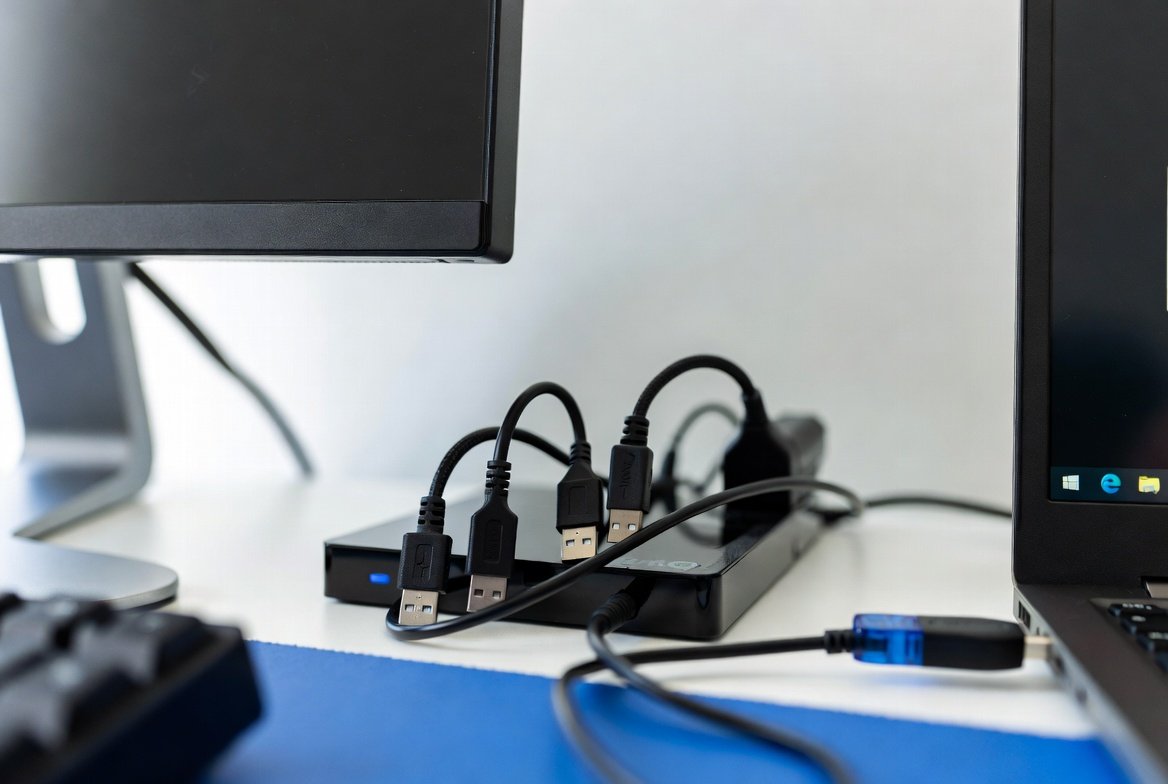
The USB device not recognized error is a common frustration many computer users encounter when connecting external devices like flash drives, external hard drives, keyboards, mice, or smartphones to their PCs. This issue typically appears as a pop-up message indicating that Windows or another operating system cannot identify the plugged-in hardware, preventing data transfer or device functionality. It often stems from driver conflicts, faulty connections, power issues, or outdated system settings, disrupting your workflow whether you’re backing up important family photos or transferring educational materials. Thankfully, most cases can be resolved with straightforward troubleshooting that doesn’t require advanced technical skills.
In this comprehensive guide, we’ll walk through practical solutions to help you overcome this annoying problem. Whether you’re a student organizing study files, a professional handling work documents, or simply someone who values reliable technology in daily life, these tips will empower you to maintain smooth connectivity. Let’s explore why this error happens and how you can fix it effectively while building better tech habits.
Understanding Common Causes of USB Connection Problems
Before diving into fixes, it’s helpful to understand what triggers these recognition issues. USB devices rely on proper communication between hardware and software. When that link breaks, the system displays errors.
Hardware-Related Factors
Loose or damaged cables often cause immediate problems. Dust accumulation in USB ports can also interfere with the connection. Sometimes the device itself may have internal faults, but many times it’s a simple matter of trying a different cable or port.
Power supply problems are another frequent culprit. Some USB devices draw power directly from the computer, and if the port can’t provide enough, recognition fails. This is especially true for high-power devices like external HDDs.
Software and Driver Conflicts
Outdated or corrupted drivers are major contributors. Your operating system needs the right instructions to communicate with new or existing hardware. Conflicts after Windows updates or software installations can also trigger the USB device not recognized error around the midpoint of troubleshooting journeys when basic checks don’t resolve it.
System settings, such as power management options that turn off USB ports to save energy, frequently create these headaches. Corrupted system files or registry entries add another layer of complexity.
Step-by-Step Basic Troubleshooting Methods
Start with the simplest solutions, as they resolve many cases without much effort.
Restart Your Computer and Reconnect the Device
A fresh reboot often clears temporary glitches. After restarting, try plugging the USB device into a different port. Rear USB ports on desktops usually provide more stable power than front ones.
Take a moment to inspect the cable for any visible damage. Gently clean the port with compressed air if dust is visible. This mindful approach respects the tools we use daily and promotes careful stewardship of our resources.
Test the Device on Another Computer
To determine whether the issue lies with your PC or the USB device itself, connect it to a different machine. If it works elsewhere, focus on your primary computer’s settings. This simple test brings clarity and prevents unnecessary worry.
Advanced Solutions for Persistent USB Device Not Recognized Error
When basic steps aren’t enough, move to these more targeted approaches.
Update USB Drivers Through Device Manager
Windows Device Manager is your go-to tool for managing hardware. Right-click the Start button and select Device Manager. Expand the “Universal Serial Bus controllers” section. Look for any devices with yellow exclamation marks.
Right-click on problematic entries and choose “Update driver.” Select the automatic search option. Windows will look for the latest compatible drivers. This process aligns with maintaining order and efficiency in our digital lives, much like keeping our physical spaces tidy.
If updates don’t help, try uninstalling the device driver and restarting your computer. Windows should reinstall it automatically upon reboot.
Run the Hardware Troubleshooter
Windows includes built-in tools designed specifically for these situations. Search for “Troubleshoot settings” in the Start menu. Under “Other troubleshooters,” find and run the Hardware and Devices troubleshooter. Follow the on-screen prompts as it scans and attempts to repair issues automatically.
This automated helper often identifies hidden problems and suggests fixes, saving you significant time and frustration.
Adjust Power Management Settings
Computers sometimes disable USB ports to conserve energy, causing recognition failures. In Device Manager, expand Universal Serial Bus controllers again. For each USB Root Hub, right-click, select Properties, go to the Power Management tab, and uncheck “Allow the computer to turn off this device to save power.”
Apply this to all relevant hubs. Your devices will now receive consistent power, leading to more reliable connections.
Check for Windows Updates and System File Repairs
Keeping your operating system updated ensures compatibility with modern USB standards. Go to Settings > Update & Security > Windows Update and check for available updates.
For deeper issues, run System File Checker. Open Command Prompt as administrator and type sfc /scannow. This command scans and repairs corrupted system files that might interfere with USB functionality.
Preventive Measures to Avoid Future USB Issues
Prevention is always better than cure. Developing good habits can minimize these disruptions.
Regular Maintenance Routines
Clean your USB ports periodically and avoid forcing cables into ports at awkward angles. Use high-quality cables and devices from reputable sources whenever possible. This careful approach reflects responsible use of technology in our daily routines.
Consider organizing your digital files regularly so you’re not caught off guard when needing to transfer data quickly.
Safe Ejection Practices
Always use the “Safely Remove Hardware” option before unplugging devices. This ensures all data writing operations complete properly and reduces corruption risks.
Investing in Quality Accessories
When choosing new USB devices or hubs, opt for those with good reviews and compatibility assurances. Reliable hardware leads to fewer headaches and more productive time.
For more insights on maintaining smooth tech operations, explore comprehensive resources in the tech software category on Business to Mark. Their practical guides offer valuable knowledge for everyday users seeking stable digital experiences.
Dealing with Specific Device Scenarios
Different USB devices sometimes require tailored approaches.
External Hard Drives and Flash Drives
Storage devices often carry important family memories or work documents. If one isn’t recognized, try connecting it directly without a hub. For larger drives, ensure your computer meets power requirements—some need external power adapters.
Keyboards, Mice, and Peripherals
Input devices failing to register can halt productivity. Test wireless receivers in different ports or replace batteries. For wired versions, driver updates usually restore functionality quickly.
Smartphones and Cameras
When connecting mobile devices for file transfer, ensure the phone is set to File Transfer mode (MTP) rather than charging-only. On Android devices, swipe down the notification panel after connecting and select the appropriate USB option.
Exploring USB Technology Basics for Better Understanding
USB standards have evolved significantly over the years. The Universal Serial Bus technology revolutionized how we connect peripherals, offering plug-and-play convenience that simplifies daily tasks. Learning these fundamentals helps you troubleshoot more confidently and appreciate the engineering behind seamless connectivity.
According to Wikipedia, USB has become one of the most widely adopted standards for device interconnection, supporting everything from basic data transfer to high-speed charging and video output.
For additional troubleshooting inspiration, consider expert tech solutions available through Business to Mark’s platform, which regularly shares helpful advice on resolving common hardware challenges.
You might also find useful context in their detailed article on resolving MacBook display challenges, as similar principles of hardware-software harmony apply across different systems.
When to Seek Professional Help
While most USB device not recognized error cases resolve with the steps outlined, persistent problems might indicate deeper hardware issues. If you’ve tried multiple ports, cables, and driver updates without success, consult a qualified technician. They can diagnose potential motherboard problems or failing USB controllers.
Remember that technology serves us best when we approach challenges patiently and methodically. Taking breaks during troubleshooting helps maintain a positive mindset.
Building Long-Term Tech Resilience
Developing a proactive relationship with your devices enhances both efficiency and peace of mind. Regular backups, system maintenance, and staying informed about updates create a stable digital environment for learning, creativity, and connection with loved ones.
By understanding common issues like USB recognition problems, you gain confidence in handling technology responsibly. This knowledge empowers you to focus on what truly matters—using tools to support meaningful activities, education, and personal growth.
These practices align with values of stewardship and seeking beneficial knowledge, turning potential frustrations into opportunities for learning and mastery.
Final Thoughts and Quick Reference Checklist
Overcoming the USB device not recognized error doesn’t have to be complicated. With patience and systematic troubleshooting, most users restore functionality quickly.
Quick Checklist:
- Restart and try different ports
- Update drivers via Device Manager
- Disable USB power saving
- Run built-in troubleshooters
- Check cables and device compatibility
- Keep Windows updated
- Practice safe ejection habits
Implementing these strategies will help you maintain reliable connections and enjoy uninterrupted productivity. Technology, when working properly, becomes a wonderful aid in our pursuit of knowledge and positive contributions.
Remember that every challenge overcome builds resilience and understanding. Keep exploring, learning, and applying practical solutions in your tech journey.