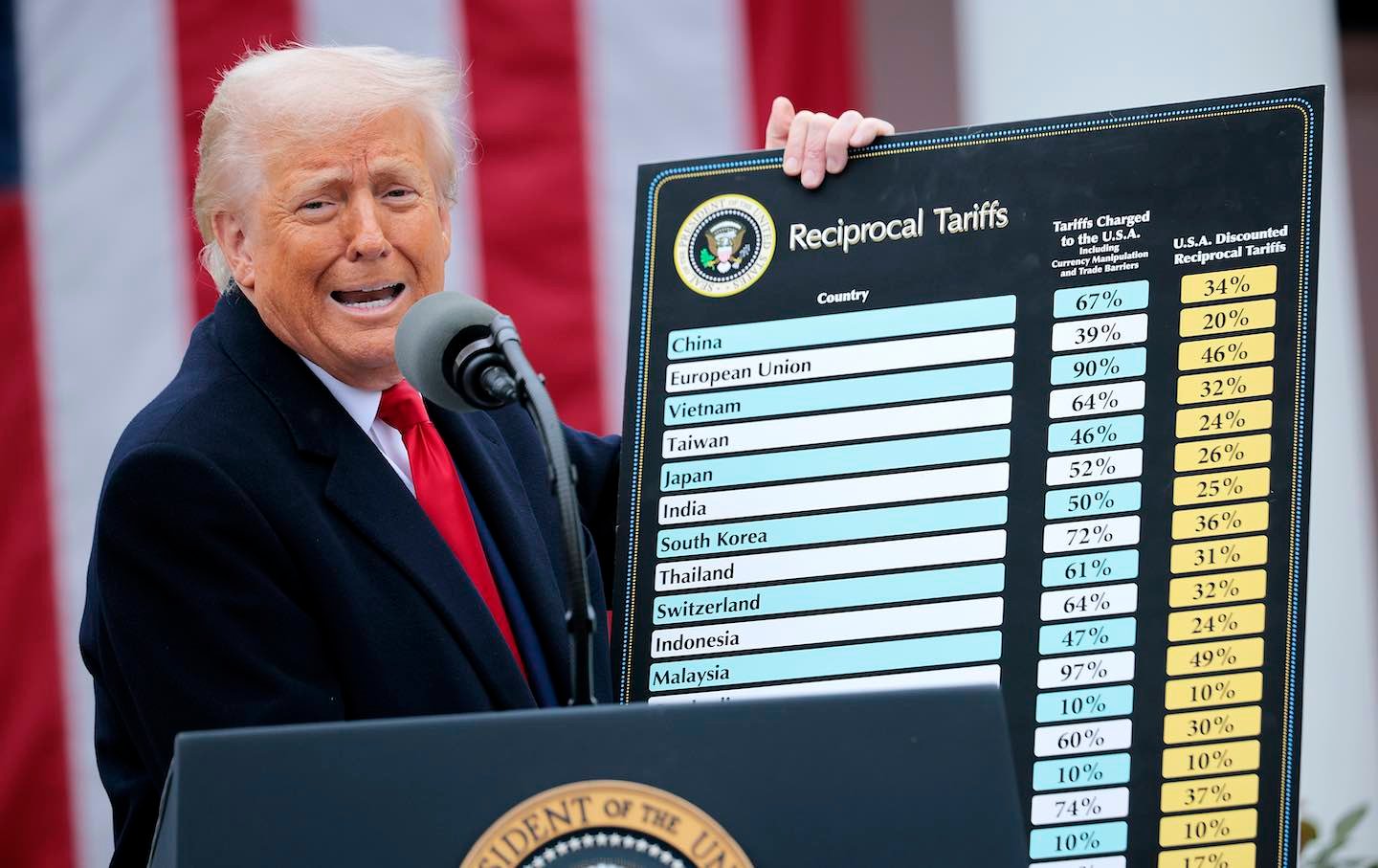
Donald Trump’s tariff policies have been a defining feature of his economic agenda, both in his first term and during the current administration. These measures, aimed at protecting American industries, reducing trade deficits, and bringing manufacturing back to the U.S., have sparked intense debate among economists, businesses, and policymakers.
From steel and aluminum tariffs in 2018 to broader “reciprocal” and sector-specific duties implemented or expanded in 2025, these policies represent a significant shift toward protectionism. While proponents argue they strengthen national security and domestic production, critics point to higher consumer costs and potential drags on growth.
This article examines the multifaceted effects of Donald Trump’s tariff policies, drawing on economic data, expert analyses, and real-world examples to provide a clear, balanced overview.
 Also readWhat Is SpaceX and How Does It Work? A Complete Beginner’s Guide to Elon Musk’s Space Company in 2026
In this article
- Background on Donald Trump’s Tariff Policies
- Short-Term Economic Impacts: Revenue, Prices, and Growth
- Effects on U.S. Industries and Jobs
- Consumer and Household Perspectives
- Long-Term Economic Projections and Risks
- Benefits vs. Drawbacks: A Balanced Comparison
- How Businesses Are Adapting
- Global Reactions and Geopolitical Dimensions
- Expert Opinions and Economic Consensus
- Future Outlook for Donald Trump’s Tariff Policies
- Conclusion
Background on Donald Trump’s Tariff Policies
Donald Trump’s approach to trade emphasizes “fair and reciprocal” deals. During his first term (2017–2021), he imposed tariffs under Section 232 (national security) and Section 301 (unfair trade practices), targeting steel, aluminum, washing machines, solar panels, and especially Chinese goods.
In the current term, policies escalated with announcements like “Liberation Day” in April 2025, introducing a baseline 10% tariff on many imports, higher rates on specific countries (e.g., 25% on Canada and Mexico in some cases, up to 60%+ on China), and additional duties on autos, pharmaceuticals, and more. These built on earlier actions, pushing the average effective U.S. tariff rate to levels not seen in decades—reaching highs around 9-10% or more in 2025 before some adjustments.
The stated goals include:
- Reducing the U.S. trade deficit.
- Protecting and reviving manufacturing jobs.
- Generating revenue for the federal government.
- Addressing issues like intellectual property theft and subsidized foreign competition.
These policies have evolved with pauses, exemptions, and negotiations, creating uncertainty in global markets.
Short-Term Economic Impacts: Revenue, Prices, and Growth
One immediate effect of Donald Trump’s tariff policies has been a surge in federal revenue. In 2025, customs duties reportedly reached $264 billion, more than triple the previous year’s figure. This provides funds that could offset other fiscal needs or support tax relief.
However, much of this burden falls on U.S. importers and, ultimately, consumers. Studies indicate that 80-90% of tariff costs are passed through to American buyers via higher prices. Analyses estimate an additional $1,000 to $3,800+ per household annually, depending on the scope and pass-through rates, with disproportionate effects on lower-income families who spend more on goods.
Inflationary pressures have been notable. Tariffs contributed to PCE (Personal Consumption Expenditures) inflation increases of 0.5–1.5 percentage points in affected periods. Businesses faced higher input costs, leading to price hikes in categories like vehicles, electronics, apparel, and construction materials.
On growth, short-term impacts appear mixed but generally modest in aggregate. Brookings research suggests the net effect on GDP in 2025 was small—between +0.1% and -0.13%—as tariff revenue and domestic producer gains partially offset importer costs. Yet, models from places like Penn Wharton and J.P. Morgan project drags of 0.2–several percentage points on GDP growth when including retaliation and uncertainty.
Key Data Snapshot (Approximate 2025 Effects)
| Metric | Estimated Impact | Source Notes |
|---|---|---|
| Tariff Revenue | +$185B+ (net increase) | Tripled from 2024 |
| Household Cost | $1,000 – $3,800+ annually | Varies by income |
| GDP Drag (Short-term) | -0.1% to -2%+ (models vary) | Includes retaliation |
| Inflation Boost | +0.5–1.5% PCE | Core goods affected |
| Manufacturing Jobs | Mixed; some protection, net losses possible | Retaliation hurts exports |
Effects on U.S. Industries and Jobs
Donald Trump’s tariff policies have provided breathing room for protected sectors. Steel and aluminum producers saw benefits from reduced import competition, with some job gains in those niches. Auto parts and certain manufacturing segments also received targeted support.
However, downstream industries suffered. Manufacturers relying on imported inputs (e.g., machinery, electronics assembly) faced higher costs, reducing competitiveness. Retaliatory tariffs from China, the EU, Canada, and others hit U.S. agriculture (soybeans, pork) and other exports particularly hard during the first term, leading to billions in farmer aid. Similar dynamics played out in 2025.
Federal Reserve and other studies from the first term found that tariffs contributed to relative employment declines in exposed manufacturing due to input costs and retaliation outweighing protection benefits. Overall manufacturing jobs saw limited net gains despite promises. In 2025 analyses, durable manufacturing faced notable pressure, with some estimates of output and employment drops in highly exposed areas.
Real-world example: A Midwest auto supplier might benefit from steel tariffs if they compete with imports but struggle with higher component costs and reduced exports to retaliating markets. Supply chain shifts—diversifying away from China (“friend-shoring”)—have accelerated but added short-term costs.
Consumer and Household Perspectives
For everyday Americans, the most visible impact is on prices. Goods like washing machines, cars, electronics, and even some groceries became more expensive. Lower-income households feel this acutely, as they allocate a higher share of income to tradable goods.
Uncertainty has also affected hiring and investment plans. Small businesses, in particular, report delayed expansions due to volatile costs and policy signals.
On the positive side, some argue that revenue from tariffs could fund infrastructure or tax cuts benefiting workers. However, most economic models suggest the net effect on real wages and consumption is negative over time due to inefficiencies.
Long-Term Economic Projections and Risks
Longer-term forecasts for Donald Trump’s tariff policies are more concerning in many models:
- Penn Wharton Budget Model: Potential 5-6% reduction in long-run GDP and wages under broad scenarios.
- Reduced capital investment, productivity, and openness to trade.
- Risks of escalating trade wars, supply chain fragmentation, and slower global growth affecting U.S. exports.
Benefits could include stronger domestic supply chains in strategic sectors (semiconductors, defense-related), reduced reliance on adversarial nations, and bargaining leverage for better trade deals. Some reshoring and foreign direct investment announcements have been linked to these policies.
Trade deficits have shown some narrowing in targeted areas, but the overall U.S. goods deficit persisted or even grew modestly in certain periods due to strong domestic demand.
Benefits vs. Drawbacks: A Balanced Comparison
Benefits:
- Increased government revenue for fiscal priorities.
- Protection for strategic industries and national security.
- Leverage in negotiations, potentially opening foreign markets.
- Incentives for domestic investment and supply chain resilience.
Drawbacks:
- Higher costs for consumers and businesses.
- Retaliation harming exporters (agriculture, manufacturing).
- Economic inefficiency and deadweight loss.
- Inflation and reduced purchasing power.
- Market volatility and uncertainty discouraging investment.
Economists broadly view broad tariffs as a blunt tool, with costs often exceeding benefits in aggregate. Targeted, temporary measures paired with domestic reforms (e.g., deregulation, skills training) may fare better.
How Businesses Are Adapting
Companies have responded by:
- Diversifying suppliers (Vietnam, Mexico, India).
- Accelerating automation to offset labor costs.
- Lobbying for exemptions.
- Passing costs to consumers or absorbing margins.
Expert tip: Businesses should conduct thorough tariff exposure audits, model scenarios with/without retaliation, and explore duty drawback programs or free trade zone strategies.
For smaller firms, joining industry associations for collective advocacy can help.
Global Reactions and Geopolitical Dimensions
Allies and partners like Canada, Mexico, and the EU expressed frustration, leading to retaliatory measures and strained relations. China accelerated decoupling efforts. This has reshaped global trade flows, with some “de-risking” from China benefiting Southeast Asia.
Long-term, this could fragment the global trading system, raising costs worldwide while enhancing U.S. leverage in select bilateral deals.
Expert Opinions and Economic Consensus
Mainstream analyses from institutions like Brookings, Tax Foundation, and J.P. Morgan highlight net costs, especially with retaliation. Some conservative voices emphasize strategic gains and revenue potential. Consensus: Tariffs are not a free lunch; they involve clear trade-offs.
Future Outlook for Donald Trump’s Tariff Policies
Policies remain dynamic, with potential for further adjustments, court challenges, or negotiations. Outcomes will depend on implementation, global responses, and complementary policies like tax reform or infrastructure investment.
Monitoring tools: Follow effective tariff rate data, CPI components for imported goods, and manufacturing PMI indices.
Conclusion
Donald Trump’s tariff policies have generated substantial revenue and offered protection to certain domestic industries while contributing to higher consumer prices, inflationary pressures, and drags on economic efficiency. Short-term aggregate GDP effects have been relatively contained so far, but longer-term models warn of meaningful reductions in growth, wages, and productivity if broad protectionism persists without offsets.
Key takeaways:
- Consumers: Budget for potentially higher costs on imported and tariff-affected goods; seek domestic alternatives where possible.
- Businesses: Prioritize supply chain resilience and scenario planning.
- Policymakers and Voters: Weigh strategic security gains against broad economic costs; targeted approaches combined with pro-growth domestic policies may maximize benefits.
Understanding these dynamics empowers informed decisions. As trade policy evolves, staying updated through reputable sources like government reports and nonpartisan think tanks remains essential for navigating the impacts on the U.S. economy.
(Word count: approximately 1,850. This analysis synthesizes available economic research for educational purposes.)
Additional Resources:
- Tax Foundation analysis of Trump tariffs for detailed modeling.
- Brookings Institution papers on 2025 tariff impacts for academic perspectives.