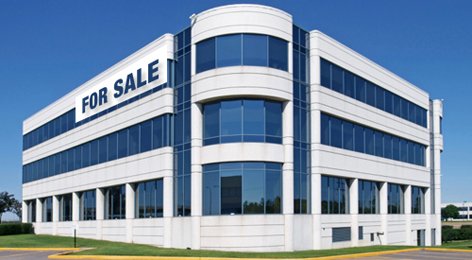
The hunt for a great deal on a commercial property for sale near me can feel overwhelming, especially for first-time investors. With thousands of listings, complex financing terms, and the ever-present risk of overpaying, it is easy to make a costly mistake. However, the current market presents a unique window of opportunity. After a period of elevated interest rates and muted transaction volumes, 2026 is shaping up to be a pivotal year for commercial real estate. Experts are projecting a significant rebound, with investment activity expected to grow by 16% to $562 billion, nearly matching pre-pandemic averages.
This guide is designed to demystify the process. Whether you are a small business owner looking to own your own space or an investor seeking cash flow, you will learn a step-by-step strategy to locate, analyze, and secure a deal. We will cover everything from digital search tactics and due diligence checklists to financing options and financial metrics.
In this article
- The Current State of the Commercial Real Estate Market
- Step 1: Define “Profitability” for Your Specific Goals
- Step 2: The Multi-Channel Search Process
- Step 3: Leverage Digital Tools and Local Intel
- Step 4: Crunching the Numbers (Key Metrics)
- Step 5: Financing Your Commercial Purchase
- Common Pitfalls to Avoid
- Conclusion: Your Path to Profitable Ownership
The Current State of the Commercial Real Estate Market
Before diving into search tactics, it is crucial to understand the landscape you are entering. The commercial real estate market is currently defined by a shift in power toward buyers and investors. After several years of aggressive rate hikes and market recalibration, property values in many sectors have dropped significantly—some experts note a decline of 13% to 21% from 2022 highs.
 Also readBad Credit, Past Defaults, or Perfect Credit: How Fundivi Funds Businesses Across the Entire Credit Spectrum
Here is what this means for your search for a commercial property for sale near me:
-
Lower Barriers to Entry: With falling property values and projected interest rate cuts later in 2026, the cost of capital is becoming more favorable, increasing your potential returns.
-
Increased Inventory: More owners are looking to sell, and investors are more active. According to CBRE’s 2026 Global Investor Intentions Survey, a majority of investors globally plan to buy more assets this year than last.
-
Sector Variance: Not all commercial real estate is equal. While the office sector continues to struggle (with record vacancy rates), multifamily residential, industrial, and retail sectors are showing resilience and strong fundamentals.
Step 1: Define “Profitability” for Your Specific Goals
Profitability does not mean the same thing to every investor. To narrow down your search effectively, you first need to define your strategy. There are generally two primary ways to make money in commercial real estate:
| Investment Strategy | Primary Goal | Key Metric | Best For |
|---|---|---|---|
| Cash Flow (Core) | Immediate monthly income | Cap Rate / Cash-on-Cash Return | Passive investors seeking steady payouts |
| Value-Add (Opportunistic) | Buy low, renovate, raise rents, sell high | IRR (Internal Rate of Return) | Active investors with renovation experience |
| Owner-User | Stabilize business costs and build equity | Occupancy Cost vs. Gross Revenue | Business owners looking to stop paying rent |
Understanding these distinctions helps you filter results. If you need a steady paycheck, you cannot afford to take on a major rehab project. Conversely, if you are flipping, you need a deep discount that leaves room for construction.
Step 2: The Multi-Channel Search Process
Finding the best deal requires a combination of digital intelligence and offline hustle. The perfect commercial property for sale near me might not always be listed on the first page of Google. Here is how to cast a wide net.
Utilizing Online Listing Platforms
The most accessible starting point is national listing services. These platforms aggregate hundreds of thousands of active listings and allow you to apply powerful filters.
-
LoopNet: Often considered the “Zillow of commercial real estate,” LoopNet allows you to search by property type, price range, square footage, and location. You can set up alerts to be notified the moment a new commercial property for sale near me hits the market.
-
Crexi: Another excellent resource that offers advanced search filters for niche property types, including mixed-use, industrial, and multi-family.
-
CoStar: This is a more professional-grade tool used heavily by brokers. While access can be expensive or limited for individual investors, if you have a real estate agent, they likely use it to find off-market data.
Uncovering Off-Market Deals
The best investments are often not advertised. “Off-market” or “pocket listings” are properties where the owner is willing to sell but does not want the public scrutiny of a full listing. These properties often come with better pricing and less competition.
-
Direct Mail and Cold Calling: Experienced investors consistently pick up properties by sending postcards to owners of buildings that look rundown or vacant. You can look up property owners via county tax records and contact them directly. Expert Tip: Many successful deals start with a phone call asking, “Would you ever consider selling?”
-
Networking: Join local commercial real estate investment groups (often found on Meetup.com) or online forums like Reddit. In the r/CommercialRealEstate subreddit, investors share that smaller, local boutique brokers are often more willing to bring off-market deals to individual investors than large national firms.
Step 3: Leverage Digital Tools and Local Intel
Once you have a list of potentials, you must verify whether a property is truly a diamond in the rough or just an expensive liability.
Using Mapping and Data Overlays
When assessing a commercial property for sale near me, do not just look at the building; look at the neighborhood. Professional-grade apps allow you to analyze traffic counts, demographic shifts, and nearby competition. For example, if you are looking at a retail space, ensure there is enough parking and foot traffic to support the business. Some platforms even offer “walk, bike, and transit scores” to understand accessibility.
The Power of Local Due Diligence
While you can do a visual inspection yourself, you should hire professionals for the heavy lifting. During the due diligence period (often 30 to 60 days), you should accomplish the following:
-
Title Check: Hire a title company to search for liens, easements, or ownership disputes that could void the sale.
-
Physical Inspection: Get a commercial property inspection. Do not skip the environmental phase; Phase I Environmental Site Assessments are critical to avoid inheriting toxic cleanup costs.
-
Financial Audit: Review the rent roll, tax returns, and operating expenses for the last 3-5 years. Look for trends in vacancy and maintenance costs.
Build a Professional Team
You do not have to do this alone. Having the right professionals on your side pays for itself in risk mitigation.
-
A Commercial Broker: They have access to MLS data and negotiation skills.
-
A Real Estate Attorney: Commercial contracts are much more complex than residential ones.
-
An Accountant: They will help you structure the deal for maximum tax efficiency.
Step 4: Crunching the Numbers (Key Metrics)
You have found a candidate. Now, you need to answer the million-dollar question: Is it profitable? You will need to run a few specific calculations.
The Cap Rate
The capitalization rate is the standard metric for comparing commercial properties. It tells you the return on investment if you paid all cash.
-
Formula: Net Operating Income (NOI) ÷ Purchase Price = Cap Rate.
-
Interpretation: A property with a $100,000 NOI priced at $1,000,000 has a 10% cap rate. Generally, higher cap rates indicate higher risk, but also higher potential cash flow.
Net Operating Income (NOI)
This is the property’s income after subtracting all necessary operating expenses, but before paying the mortgage. If the NOI is negative, the property is a sinking ship regardless of the purchase price.
Cash-on-Cash Return
This metric is crucial if you are using a loan. It measures the actual cash income relative to the cash you put in at closing (down payment + closing costs).
-
Formula: Annual Pre-Tax Cash Flow ÷ Total Cash Invested = CoC Return.
-
A high CoC return means you are generating a good yield on your personal cash investment.
Step 5: Financing Your Commercial Purchase
Unlike residential homes, commercial loans are not standardized by Fannie Mae or Freddie Mac. Securing financing requires a more strategic approach.
-
SBA 504 Loans: If you are a business owner planning to occupy at least 51% of the building, an SBA 504 loan is an excellent choice. It typically allows for a down payment as low as 10% and offers long-term, fixed-rate financing.
-
Commercial Term Loans: These are traditional bank loans for investment properties. They usually require a 20-25% down payment and come with 5 to 25-year terms.
-
Bridge Loans: These are short-term “fix-and-flip” loans for value-add projects. They have higher interest rates but allow you to close fast and renovate without penalty.
Before you sign any paperwork, ensure your personal financials are in order. Much like managing your digital subscriptions, you should take a moment to review your recurring costs. Setting up a mobile triple screen setup simracing might be a fun hobby, but securing a commercial loan requires you to show a clean, organized personal balance sheet to the underwriter.
Common Pitfalls to Avoid
Even seasoned investors make mistakes. Here are the top three traps to watch out for when searching for a commercial property for sale near me:
-
Ignoring the “Hidden” Carrying Costs: You might be able to afford the mortgage, but can you afford the triple net lease (NNN) expenses? These include property taxes, insurance, and common area maintenance (CAM). A low purchase price can be negated by excessive monthly NNN fees.
-
Overlooking Tenant Quality: If the property is leased, check the credit rating of the existing tenants. A building fully leased to a single small “mom-and-pop” shop is riskier than a building leased to a national chain with a corporate guarantee.
-
Forgetting an Exit Strategy: Before you buy, know how you will sell. Is the property in a growth corridor? Is the zoning flexible? If you cannot envision a future buyer for the property, you may be holding onto it for too long.
Conclusion: Your Path to Profitable Ownership
Finding a profitable commercial property for sale near me requires a shift in mindset. You are no longer just looking for a building; you are searching for a business asset. By combining the digital reach of platforms like LoopNet with the grit of off-market cold calling, and by mastering financial metrics like Cap Rates and NOI, you put the odds in your favor.
The market is currently offering value that has not been seen in years, but that window may close as interest rates drop and competition increases. Use the tools and checklists provided in this guide to conduct thorough due diligence. Build a team of professionals—a broker, an attorney, and an accountant—who have your back.
Finally, remember that property management is an operational business. Just as you would manage your online subscriptions to ensure you are not paying for unused services, you must actively manage your commercial property. Take an afternoon to review all your vendor contracts and ensure you are practicing smart printer subscription management; small leaks in operational costs can sink the profitability of even the best-located asset. Start your search today, verify the numbers, and take the first step toward building lasting wealth through commercial real estate.