Is BTC High or Low? Understanding the Volatile World of Bitcoin Pricing

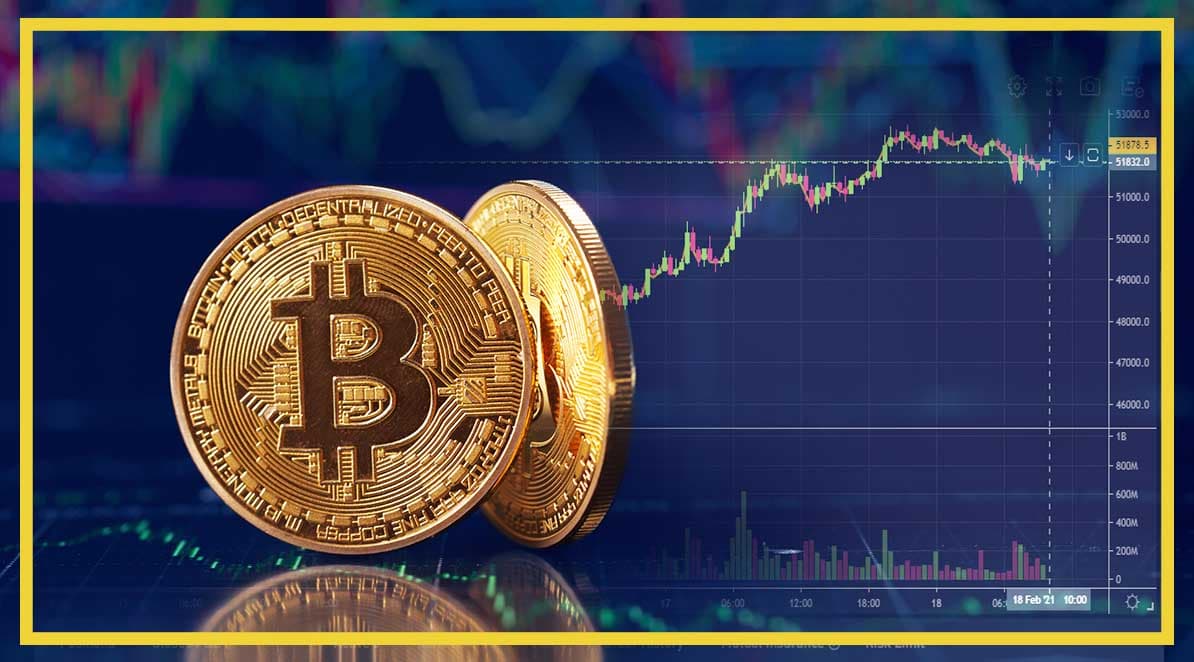
Bitcoin has captivated investors, technologists, and everyday observers since its creation in 2009. Its price can double in a matter of months, then lose half its value just as quickly. For anyone trying to make sense of the market — whether they are considering their first purchase or reviewing an existing position — the central question is almost always the same: is Bitcoin expensive right now, or is it cheap? The honest answer is that it depends heavily on context. To understand BTC is high or low at any given moment, you need to look at where it has been, what forces are pushing it in either direction, and what your own investment goals actually are.
Bitcoin’s Price Journey: A Historical Perspective
Any serious attempt to evaluate Bitcoin’s current price has to start with its history. Bitcoin launched with virtually no monetary value. Early adopters traded coins for trivial amounts, and for several years the idea of BTC reaching thousands of dollars per coin seemed far-fetched to most observers. What followed, however, was one of the most dramatic price stories in the history of financial markets.
The milestones along that journey are worth reviewing in detail, because they reveal something important: what looks expensive at one point in time can look remarkably cheap just a few years later — and vice versa.
- 2017’s meteoric rise: BTC surged from around $1,000 to nearly $20,000, driven by speculative frenzy and increased mainstream attention. For the first time, Bitcoin became a dinner-table conversation, and retail investors poured in at a rapid pace.
- 2018’s correction: Prices plummeted to around $3,200, reflecting market correction and regulatory uncertainty. Many who had bought near the peak faced devastating losses, and a wave of skepticism swept through mainstream media.
- 2020’s resurgence: Bitcoin rebounded, reaching new highs above $60,000, fueled by institutional investment and global economic uncertainty. This cycle was notably different from 2017 because large corporations and institutional funds were participating in a meaningful way for the first time.
- 2022’s downturn: BTC dropped to around $15,000, reflecting market volatility and external economic pressures, including rising interest rates and several high-profile collapses within the broader crypto ecosystem.
Each of these turning points looked different depending on when an investor had entered the market. Someone who bought at $3,200 in late 2018 and held through 2021 made extraordinary gains. Someone who bought at $60,000 in early 2021 experienced painful losses within a year. This is why no single price point can be definitively labeled “high” or “low” without additional context.
The Forces That Drive Bitcoin’s Price
Understanding whether Bitcoin is trading at a relatively elevated or depressed level requires familiarity with the forces that shape its value. Unlike traditional stocks, Bitcoin has no earnings reports, no dividend payments, and no physical assets behind it. Its price is determined almost entirely by supply, demand, sentiment, and broader market conditions. Several key factors consistently play a role.
Supply and Demand
The total supply of Bitcoin is capped at 21 million coins — a limit built directly into its code. This hard ceiling means that as demand grows, there is no mechanism to increase supply the way a government can print more currency. Roughly every four years, an event called the “halving” cuts the rate at which new Bitcoin enters circulation, historically creating upward price pressure. When demand rises against a fixed and gradually tightening supply, prices tend to increase. When demand falls, prices can drop sharply.
Regulatory Environment
Government policies and regulations significantly impact Bitcoin’s price, with clarity and support driving growth. When major economies signal acceptance of cryptocurrency — through legislation, regulated investment products, or formal legal frameworks — confidence rises and investment flows in. Conversely, announcements of bans, restrictions, or aggressive enforcement actions have repeatedly caused sharp sell-offs. Regulatory news remains one of the fastest-moving price catalysts in the crypto market.
Global Economic Trends
Economic uncertainty, inflation, and interest rates influence investors’ appetite for risk assets like Bitcoin. During periods of loose monetary policy or rising inflation, some investors turn to Bitcoin as a potential store of value. When central banks raise interest rates aggressively, risk appetite tends to shrink, and assets like Bitcoin often decline alongside other speculative investments. The relationship between macroeconomics and Bitcoin has grown stronger as institutional participation has increased.
Adoption and Mainstream Recognition
Growing acceptance and use cases contribute to increased demand. As more businesses accept Bitcoin as payment, more financial products are built around it, and more people become comfortable using it, the underlying demand strengthens. Each new wave of adoption — from major payment processors to institutional treasury allocations — has historically corresponded with rising prices.
Security Concerns
High-profile hacks and security breaches erode confidence, driving prices down. Bitcoin itself has never been hacked at the protocol level, but exchanges, wallets, and related platforms have suffered significant breaches over the years. When large-scale theft or fraud is reported in the crypto space, it triggers fear and selling across the market.
Market Sentiment
Investor attitudes, driven by emotions and expectations, significantly influence price movements. Fear and greed are amplified in crypto markets because of the relatively smaller market size, the high proportion of retail participants, and the 24/7 nature of trading. Social media, influential commentators, and even celebrity endorsements can move prices in ways that would be unthinkable in traditional markets.
How to Think About Whether BTC Is Currently High or Low
As of 2023, Bitcoin’s price hovered around $28,000 — a figure that sits well below its all-time high above $60,000 but dramatically above its 2018 lows near $3,200. In that sense, it occupies a middle ground that makes the “high or low” question genuinely difficult to answer with any certainty.
What market analysts generally point to as drivers of future movement include increased adoption driven by growing institutional investment and mainstream recognition, regulatory clarity improving across key markets, and ongoing global economic uncertainty and inflation keeping alternative assets in focus. Whether these forces push Bitcoin higher or lower — and on what timeline — remains genuinely unknown.
The more useful question for most people is not whether Bitcoin is objectively high or low, but whether it is high or low relative to your own financial situation, time horizon, and risk tolerance. A long-term investor with a ten-year horizon views the current price through a very different lens than a short-term trader trying to capture weekly movements.
Practical Strategies for Navigating Bitcoin’s Volatility
Volatility is not unique to Bitcoin — all financial assets fluctuate. But Bitcoin’s swings are larger and faster than almost anything else in mainstream investing. Navigating this environment successfully requires deliberate, disciplined approaches rather than reactive decision-making.
- Long-Term Perspective: Focus on fundamental value, rather than short-term price fluctuations. Investors who have held Bitcoin through multiple boom-and-bust cycles have generally fared better than those who tried to time the market perfectly.
- Diversification: Spread investments across asset classes to minimize risk. Bitcoin should typically represent only a portion of a broader investment portfolio, sized according to how much volatility you can genuinely tolerate.
- Dollar-Cost Averaging: Invest fixed amounts regularly to reduce timing risks. By committing a set amount each month regardless of price, you automatically buy more when prices are low and less when they are high, smoothing out your average cost over time.
- Risk Management: Set clear profit and loss targets before you invest. Knowing in advance at what point you will take profits or accept a loss removes emotion from the decision and protects you from the psychological traps that volatile markets set for unprepared investors.
The Bigger Picture
Bitcoin’s price history makes one thing abundantly clear: simplistic labels like “high” or “low” are almost never sufficient on their own. A price that seems high today might look like an obvious bargain in five years. A price that seems low today might be the beginning of an even steeper decline. The only way to navigate this uncertainty responsibly is to combine a solid understanding of the factors driving Bitcoin’s value with a clear-eyed assessment of your own financial goals.
What remains consistent across every market cycle is the importance of staying informed. The cryptocurrency landscape evolves rapidly — regulatory frameworks shift, new technologies emerge, and macroeconomic conditions change. Investors who keep up with these developments and adjust their thinking accordingly are better positioned than those who rely on gut instinct or short-term price movements alone.
Investing in cryptocurrency carries real and significant risk. The possibility of losing a substantial portion of your investment is not a remote scenario — it has happened to many people across multiple market cycles. Thorough research and genuine caution are not optional extras; they are essential. Whether BTC is high or low at any given moment, the investors who approach it with discipline, clear strategy, and realistic expectations are the ones best equipped to succeed in this dynamic and unpredictable market.

Emma Richardson
Emma Richardson reports on business, technology and U.S. news. She follows major product launches and market stories, explaining what happened, why it matters and what it means for everyday readers.