The Importance of Year-Round Grounds Maintenance for Commercial Properties

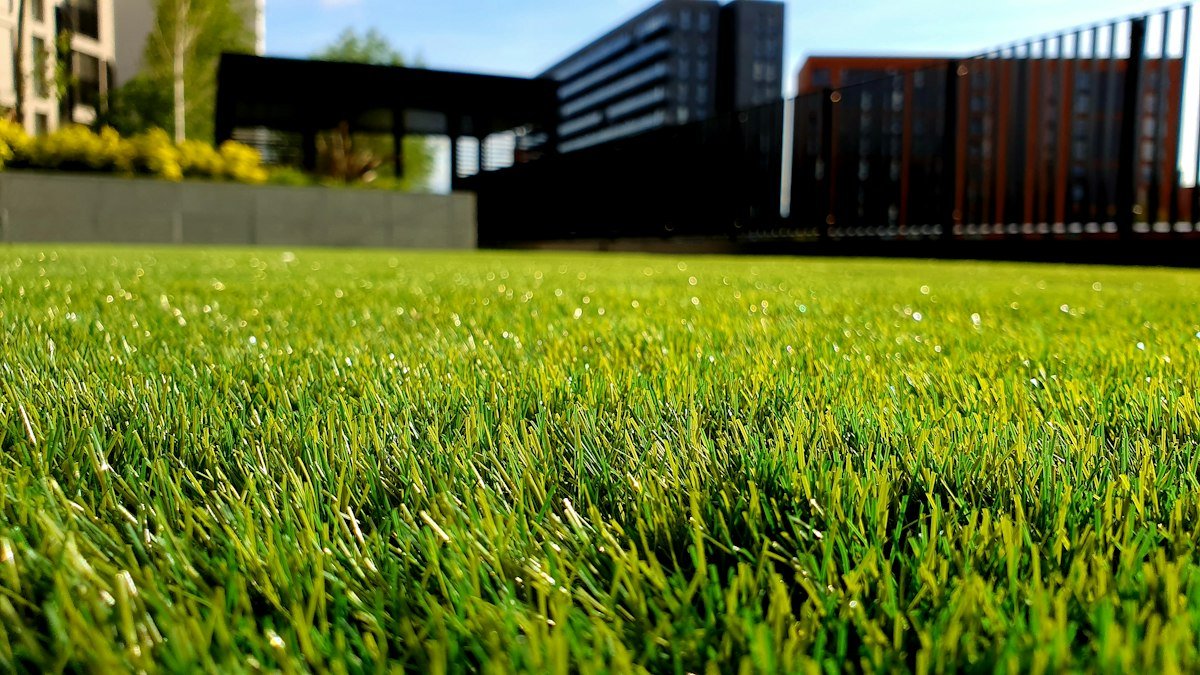
First impressions carry immense weight in the commercial real estate world. When clients, tenants, and visitors arrive at a facility, the exterior environment provides the very first indicator of organizational standards, professionalism, and operational excellence. A lush, manicured landscape immediately conveys stability and attention to detail. Conversely, overgrown turf, scattered debris, or dead shrubbery can erode brand confidence before a visitor even walks through the front entrance.
Maintaining an attractive exterior requires far more than sporadic mowing during warm summer months. Changing weather patterns, fluctuating soil conditions, and evolving plant cycles demand ongoing attention across every calendar quarter. Implementing a reliable year-round commercial grounds maintenance program allows property managers to protect their capital investments, enhance daily curb appeal, and address potential property hazards long before they become costly liabilities.
Taking a proactive approach to outdoor management transforms landscaping from an unpredictable expense into a strategic operational asset. By understanding the distinct benefits of continuous care, facility leaders can ensure their properties remain safe, beautiful, and functional throughout every season.
Enhancing Curb Appeal and Brand Reputation
Exterior aesthetics directly impact tenant acquisition and retention. Commercial office parks, retail plazas, industrial complexes, and healthcare facilities all compete for high-quality occupants who value a clean, welcoming environment. When outdoor spaces display vibrant seasonal color, neatly edged walkways, and crisp turf lines, visitors feel an immediate sense of pride and comfort.
Neglect, on the other hand, happens quickly. Without continuous intervention, weeds invade decorative beds, turf turns patchy, and trees shed unmanaged branches. These aesthetic declines subtly suggest that interior operations may also lack rigorous management. Year-round oversight guarantees that seasonal plant rotations occur on schedule, fresh mulch is applied to suppress weeds and retain soil moisture, and leaf debris is promptly removed, keeping grounds polished in every season.
Mitigating Property Hazards and Liability Risks
Property safety is an essential responsibility for facility owners. Commercial properties experience continuous vehicle and pedestrian traffic, making outdoor risk management a daily operational priority. Neglected landscaping frequently creates severe safety concerns that can lead to injury, property damage, and expensive insurance claims.
Unpruned trees with dead branches pose significant hazards during high winds or heavy snow events. Overgrown shrubbery can block pedestrian walkways, obstruct sightlines at parking lot intersections, or obscure security cameras and exterior lighting. Furthermore, accumulated wet leaves in autumn create slick surfaces comparable to ice. Year-round grounds care systematically identifies and resolves these hazards through proactive pruning, sightline clearing, and rapid debris removal, ensuring compliance with local accessibility codes and keeping grounds safe for everyone.
Supporting Plant Health and Preventative Preservation
Landscaping represents a substantial initial capital investment. Trees, mature ornamental shrubs, turf varieties, and irrigation networks require thoughtful care to thrive year after year. Replacing mature trees or completely restoring dead turf costs significantly more than providing routine upkeep.
Consistent care aligns with the biological rhythms of living plants:
- Spring requires targeted aeration, pre-emergent weed controls, and irrigation system startup to prepare roots for active growth.
- Summer demands monitored hydration management, precise mowing heights, and targeted disease treatments to defend turf against heat stress.
- Autumn calls for deep-root fertilization, perennial cutbacks, and protective mulching to insulate roots against freezing temperatures.
- Winter offers the ideal dormant window for structural tree pruning, bed edge trenching, and winter plant protection.
Skipping any single season interrupts this cycle, leaving plant materials vulnerable to pests, fungal diseases, and drought stress that could otherwise be prevented.
Maximizing Operational Budgets and Preventing Costly Surprises
Reactive maintenance is almost always more expensive than steady upkeep. When landscaping is treated as an occasional project rather than an ongoing service, minor issues quietly escalate into extensive problems. A minor irrigation leak left unnoticed can wash away topsoil, undermine asphalt pavements, and spike water bills. Similarly, invasive weeds or turf fungi can destroy thousands of square feet of grass within weeks if left untreated.
Partnering with professional grounds crews for ongoing maintenance allows property managers to establish predictable, transparent monthly operational budgets. Crews on site regularly can spot early symptoms of plant distress, drainage problems, or structural wear before they require complete renovations. This systematic care preserves property values, elevates community perception, and protects the facility budget over the long term.

Daniel Reyes
Daniel Reyes leads the Businesstomark editorial desk, covering business news, company strategy and the tech products that shape how people work. He focuses on clear, practical explainers that help readers make smarter decisions, from choosing tools to understanding market moves.