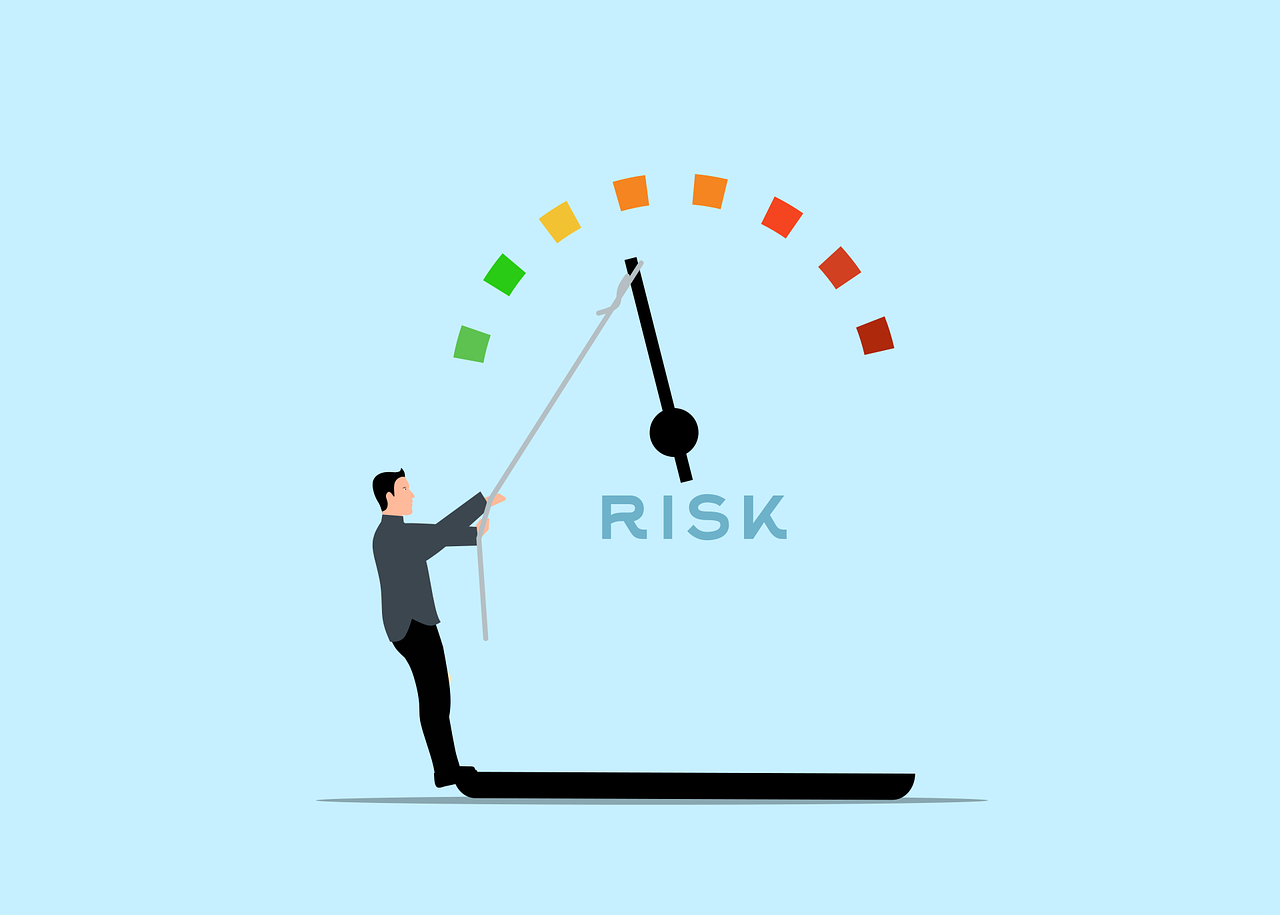
Risk assessments are essential for safeguarding health and safety in the workplace. They are not only a legal obligation but also a critical component of maintaining a safe and efficient work environment. This guide provides an in-depth exploration of the circumstances under which risk assessments are legally required and why they are indispensable.
Whether you’re a small business owner, a safety officer, or an employer, understanding these principles can help you ensure compliance with regulations and prioritise the welfare of employees.
What Is a Risk Assessment?
A risk assessment is a systematic process used to identify potential hazards in a workplace, evaluate the likelihood and severity of risks arising from those hazards and implement appropriate measures to control them. It aims to minimise workplace accidents, protect employees and improve safety. Effective risk assessments also consider the interaction of various hazards and how they may impact different groups of people, including workers, contractors and visitors.
The Legal Framework for Risk Assessments
Health and Safety at Work Act 1974
This foundational UK legislation places a legal duty on employers to ensure the health, safety and welfare of their employees and others who may be affected by their work activities. It serves as the cornerstone for all other health and safety regulations in the UK.
Management of Health and Safety at Work Regulations 1999
These regulations expand upon the Health and Safety at Work Act by requiring employers to conduct “suitable and sufficient” risk assessments. They also stipulate that businesses with five or more workers must document their findings.
Industry-Specific Legislation
Certain industries have additional, sector-specific requirements. For instance:
- Control of Substances Hazardous to Health (COSHH) Regulations mandate assessments for workplaces involving hazardous substances.
- The Manual Handling Operations Regulations focus on risks associated with lifting, lowering and carrying tasks.
European Influence
Although the UK has left the EU, many of its health and safety laws, including those related to risk assessments, are influenced by European Union directives. These laws continue to shape the principles of workplace safety in the UK.
When Are Risk Assessments Legally Required?
Risk assessments are required under a variety of circumstances to address changing dynamics in the workplace. Key scenarios include:
- Routine Operations: Regular workplace activities require ongoing risk assessments to ensure safety measures remain effective. Tasks like operating machinery or handling chemicals are common examples.
- Significant Changes: When new processes, equipment, or chemicals are introduced, risk assessments must be updated to account for any new hazards.
- After Accidents or Near Misses: Incidents in the workplace highlight potential oversights in existing assessments. Reviewing and updating risk assessments post-incident ensures that similar events are avoided in the future.
- Vulnerable Workers: Employers must pay particular attention to groups such as young workers, pregnant employees, or individuals with disabilities. Risk assessments should address their specific needs and vulnerabilities.
- Client or Verification Requirements: Many organisations, particularly those in construction or manufacturing, are required by clients or industry bodies to conduct risk assessments.
- Legislative Updates: New laws or amendments to existing legislation may necessitate updates to risk assessments to align with current requirements.
Why Are Risk Assessments Important?
Risk assessments are a critical tool for improving workplace safety and operational efficiency.
1. Legal Compliance
Failing to conduct risk assessments can result in significant penalties, including fines, legal action, or even imprisonment for gross negligence. Complying with legal standards ensures that businesses operate responsibly.
2. Employee Safety and Well-Being
Workplace accidents and illnesses can have severe physical, emotional and financial consequences. Proactive risk assessments help prevent such incidents, increasing trust among employees.
3. Business Continuity
Unsafe practices can lead to costly downtime, reputational damage and loss of clients. Effective risk management safeguards business operations and improves productivity.