

In today’s fast-paced business world, teams often work across departments to meet goals. Using workflow systems to improve cross-team collaboration helps bridge these gaps. These tools automate tasks, share information in real time, and keep everyone aligned. Businesses see real gains in speed and output when they adopt them. For example, companies that use these systems report up to 30% more efficiency in team projects.
What Are Workflow Systems?
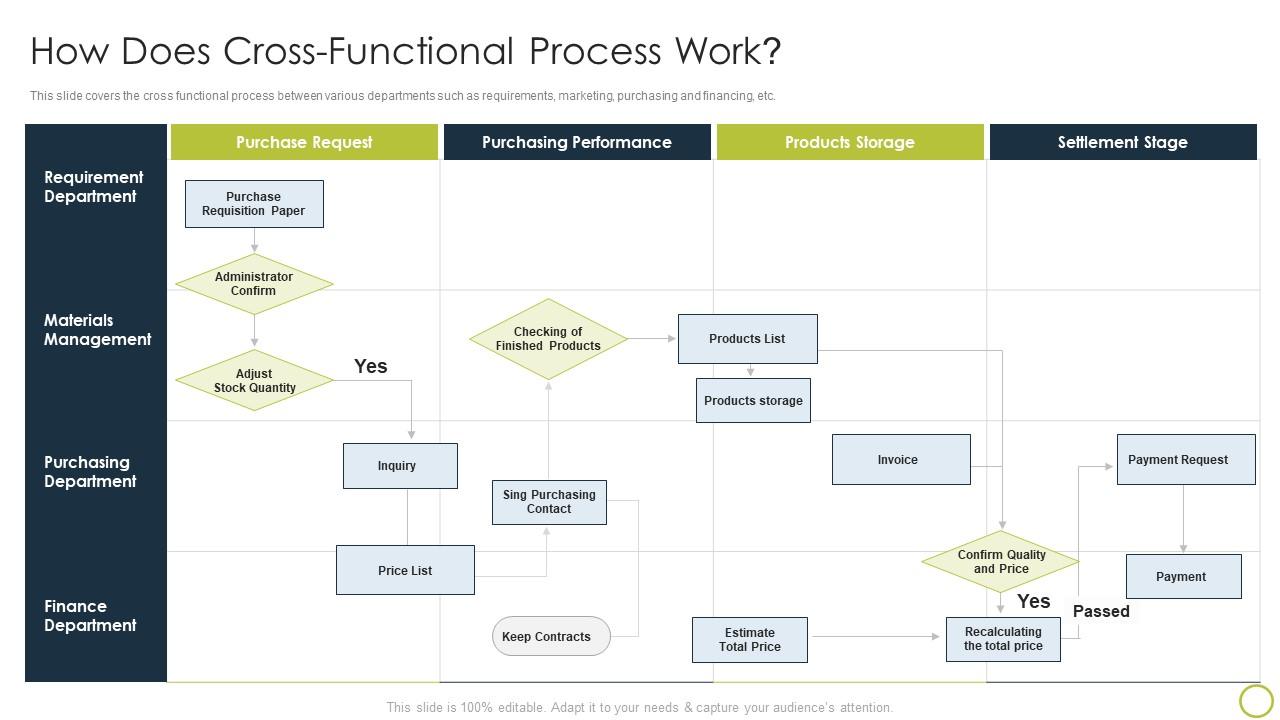
Workflow systems are software platforms that organize tasks, automate steps, and connect team members. They map out processes so work flows smoothly from one person to the next. Think of them as digital coordinators that handle approvals, notifications, and tracking without manual effort.
These systems come in various forms. Some focus on project management, while others emphasize communication. Common examples include tools that create visual boards for tasks or integrate with email for updates. They support cross-team collaboration by breaking down silos and ensuring transparency.
Businesses use them for everything from marketing campaigns to supply chain management. They reduce confusion and help teams focus on results.
Benefits of Using Workflow Systems to Improve Cross-Team Collaboration
Adopting workflow systems brings clear advantages. They streamline operations and foster better teamwork.
- Boosts Productivity: Automation handles repetitive tasks, freeing teams to tackle creative work. Studies show teams achieve the same outcomes in half the time with effective collaboration tools.
- Reduces Errors: Manual processes lead to mistakes. Automated workflows ensure consistency, cutting error rates by 70-90% in data-heavy tasks.
- Enhances Visibility: Shared dashboards let everyone see progress in real time. This builds accountability and speeds up decision-making.
- Improves Communication: Integrated tools like chat and notifications keep discussions centralized. No more lost emails or miscommunications.
- Saves Costs: By minimizing delays and rework, businesses cut operational expenses. One study found a 35% reduction in integration maintenance costs with cross-system orchestration.
- Increases Employee Engagement: When teams collaborate seamlessly, job satisfaction rises. Workers feel more connected and valued.
- Supports Scalability: As businesses grow, these systems handle more complex workflows without added chaos.
- Drives Innovation: With routine work automated, teams have space for new ideas. AI integrations further enhance this by summarizing threads and drafting plans.
In 2026, the global collaboration software market hits USD 18.2 billion, growing at 7.7% yearly. This growth reflects how essential these tools are for modern efficiency.
)
Key Features of Effective Workflow Systems
Strong workflow systems include features that promote cross-team collaboration. Look for these when choosing a tool.
- Task Management: Assign owners, set deadlines, and track progress with visual boards like Kanban or Gantt charts.
- Automation Rules: Trigger actions automatically, such as sending alerts when a task completes.
- Integration Capabilities: Connect with other apps, like email, CRM, or file storage, for seamless data flow.
- Role-Based Access: Control who sees what to maintain security while enabling sharing.
- Real-Time Notifications: Keep teams updated via email, in-app alerts, or mobile pushes.
- Reporting and Analytics: Generate insights on bottlenecks and performance to refine processes.
- Collaborative Workspaces: Allow commenting, file sharing, and edits in one place.
- Mobile Accessibility: Support remote work with apps for on-the-go updates.
These features ensure systems adapt to your needs. For instance, role-based access prevents overload while fostering trust.
Best Workflow Management Tools in 2026
In 2026, several tools stand out for cross-team collaboration. Select based on your team’s size and focus.
- Asana: Great for project workflows. It links tasks to goals and automates handoffs. Ideal for marketing and cross-functional teams. Pricing starts at $10.99/user/month.
- Jira: Best for software development and agile teams. Offers customizable workflows and integrations with tools like Slack.
- Slack: Focuses on communication. Channels and bots streamline discussions. Free plan available; paid from $7.25/user/month.
- Monday.com: Versatile for any team. Custom boards and automations improve visibility. Free for basics; paid from free to enterprise.
- Todoist: Simple task management with collaboration. Affordable for small teams.
- Airtable: Combines databases with workflows. Good for data-driven collaboration.
These tools integrate AI for smarter workflows, like summarizing meetings or predicting delays. For more on AI in business, check this guide on ChatGPT prompts for effective listings.
Case Studies and Real-World Examples
Real businesses show the power of workflow systems.
TechFlow Solutions, a software firm, used Kanbanchi to cut bottlenecks by 60% and speed delivery by 40%. Their dev team streamlined sprints and improved communication across distributed groups.
Google fosters innovation with collaborative tools. Their “20% time” policy, supported by shared workflows, led to products like Gmail. Open environments encourage idea sharing.
Mayo Clinic uses multidisciplinary workflows for patient care. Specialists collaborate on cases, raising success rates in surgeries.
A solar roofing company automated sales cycles with BPM tools. They prioritized pain points iteratively, reducing losses and boosting growth.
These examples highlight how systems transform operations. For insights on operational accuracy, see this article on why it’s a competitive advantage.
How to Implement Workflow Systems for Better Collaboration
Start small to ensure success.
- Assess Needs: Map current processes and identify bottlenecks. Involve teams for input.
- Choose the Right Tool: Match features to your goals. Test trials.
- Train Your Team: Provide sessions on usage. Encourage adoption.
- Set Up Workflows: Build simple automations first. Add complexity later.
- Integrate with Existing Tools: Link to CRM or email for full efficiency.
- Monitor and Adjust: Use analytics to track improvements. Gather feedback.
- Scale Gradually: Expand to more departments as confidence grows.
Follow these steps to avoid overwhelm. Standardization and training are key best practices.
Challenges and Solutions
No system is perfect. Common issues include resistance to change and notification overload.
- Resistance: Solve with clear benefits and leadership support.
- Overload: Customize alerts to essential updates only.
- Integration Gaps: Choose tools with strong APIs.
- Complexity: Start basic and build up.
- Security: Use role-based controls to protect data.
Addressing these ensures smooth adoption. For a deeper overview, read this workflow management system guide.
Future Trends in Workflow Systems
Looking ahead, AI drives change. Expect agentic autonomy for end-to-end automation. Hybrid work demands mobile-first designs. Blockchain adds secure auditing.
Trends include cross-system orchestration and emotional analytics for better team dynamics. Businesses that adapt will stay competitive.
Conclusion
Using workflow systems to improve cross-team collaboration transforms how businesses operate. They enhance efficiency, cut costs, and foster innovation through automation and visibility. From tools like Asana to real-world successes at Google, the impact is clear. Implement them thoughtfully to see gains in productivity and engagement.
What steps will you take to integrate workflow systems into your team?
References
- https://www.businesstomark.com/best-chatgpt-prompt-for-making-effective-fb-marketplace-listings/ – Guide on AI prompts for business, relevant for workflow enhancements.
- https://www.businesstomark.com/why-operational-accuracy-is-a-competitive-advantage-for-modern-businesses/ – Explains accuracy in operations, tying into workflow benefits.
- http://www.zigpoll.com/content/can-you-provide-an-overview-of-how-the-current-workflow-management-system-supports-crossteam-collaboration-and-what-improvements-could-be-made-to-increase-efficiency – Overview of WMS for collaboration, with improvement ideas. Audience: Business owners, marketers, and operations managers seeking tools for efficiency and growth. For more resources, visit Business to Mark.