Table of Contents
- Introduction
- Understanding Promotional Merchandise
- The Importance of Aligning Merchandise with Campaign Goals
- Selecting the Right Merchandise
- Integrating Branding into Promotional Items
- Leveraging Data and Analytics for Success
- Case Studies: Successful Campaigns with Promotional Merchandise
- The Role of Suppliers in Your Strategy
- Measuring the Impact of Promotional Merchandise
- Future Trends in Promotional Merchandise
Introduction
Promotional merchandise has become a cornerstone for businesses aiming to enhance their brand visibility and engage customers effectively. When used strategically, promotional items can significantly contribute to achieving campaign objectives. This blog post explores how brands can leverage smart promotional merchandise to fulfill their marketing goals, emphasizing the importance of thoughtful selection and strategic implementation.
Understanding Promotional Merchandise
Promotional merchandise refers to branded items given away for free or at a low cost to promote a company’s products or services. These items are typically emblazoned with the brand logo or message and serve multiple purposes, from increasing brand awareness to fostering customer loyalty.
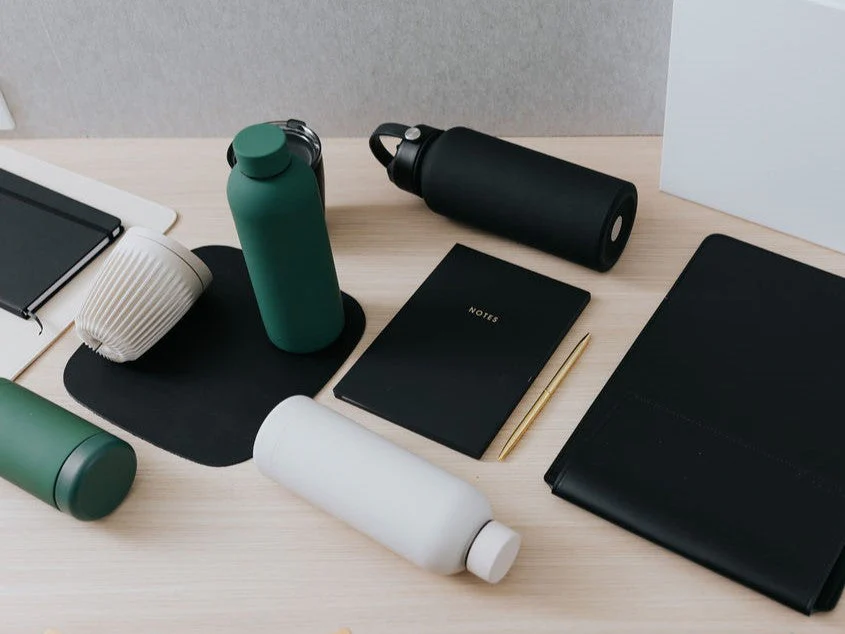
The spectrum of promotional merchandise is vast, encompassing everything from practical items like pens and tote bags to more innovative choices like tech gadgets and eco-friendly products. The key is to choose items that resonate with your target audience while supporting your campaign objectives.
The Importance of Aligning Merchandise with Campaign Goals
To maximize the effectiveness of promotional merchandise, it is crucial to align these items with your specific campaign objectives. Whether your goal is to increase brand awareness, drive sales, or enhance customer engagement, each objective will dictate the type of merchandise you should consider.
- Brand Awareness: If the primary goal is to enhance visibility, opt for items that are used frequently, such as mugs or T-shirts.
- Sales Promotion: For campaigns focused on driving sales, consider offering limited-time promotional items that incentive purchases.
- Customer Loyalty: Items that create a personal connection, such as customized gifts, can foster long-term relationships with customers.
By ensuring that promotional merchandise aligns with your campaign goals, you will enhance its impact and effectiveness.
Selecting the Right Merchandise
Choosing the right promotional items requires careful consideration of various factors:
- Target Audience: Understand the preferences and interests of your audience. What do they value? What type of merchandise would they find useful?
- Campaign Message: The merchandise should reflect the message you wish to convey during your campaign.
- Budget Constraints: Consider how much you can afford to spend on promotional items while still achieving quality.
- Sustainability: With growing consumer awareness regarding environmental issues, opting for eco-friendly merchandise can resonate well with your audience.
Totally Branded specializes in providing a diverse range of high-quality promotional merchandise tailored for various marketing objectives. Their expertise in this area can guide brands in making selections that align perfectly with their campaign strategies.
Integrating Branding into Promotional Items
Every promotional item should reinforce brand identity, ensuring that it leaves a lasting impression on recipients. Here are some strategies for effective branding:
- Consistent Use of Logos: Ensure logos are prominently displayed but tastefully integrated into the design.
- Color Schemes: Use colors that align with your brand’s identity to create instant recognition.
- Creative Design: Innovative and creative designs can make your merchandise stand out in a crowded marketplace.
By integrating these elements thoughtfully, brands can enhance recognition and recall among their target audience.
Leveraging Data and Analytics for Success
In today’s data-driven world, leveraging analytics can greatly improve the effectiveness of promotional campaigns. Brands should analyze previous campaigns’ performance data to inform future decisions:
- Customer Feedback: Gather insights directly from customers about what types of merchandise they appreciate most.
- Sales Data: Examine which promotional items led to increased sales during past campaigns.
- Engagement Metrics: Track engagement rates on social media when promotional items are used in marketing efforts.
Using data not only helps refine selections but also allows brands to anticipate market trends and shift strategies accordingly.
Case Studies: Successful Campaigns with Promotional Merchandise
Examining successful campaigns provides valuable insights into best practices:
- Coca-Cola’s Share a Coke Campaign: By personalizing bottles with popular names, Coca-Cola created a sense of personal connection that drove sales and brand engagement.
- Red Bull’s Sponsorship Events: Red Bull has effectively used branded merchandise at sporting events to build community around its energy drink.
- Totally Branded Client Success Stories: Many clients have seen increased engagement by utilizing Totally Branded’s customizable products in their campaigns.
These examples highlight how effective promotional merchandise can drive significant results when aligned with strategic marketing objectives.
The Role of Suppliers in Your Strategy
Choosing the right supplier for promotional merchandise is essential for ensuring quality and reliability:
- Quality Assurance: A reputable supplier like Totally Branded ensures that products meet quality standards, which reflects positively on your brand.
- Customization Options: Look for suppliers who offer diverse customization options to match your branding needs.
- Timely Delivery: Ensure your supplier can meet deadlines crucial for campaign launches.
Partnering with an experienced supplier can simplify logistics while enhancing overall campaign effectiveness.
Measuring the Impact of Promotional Merchandise
To understand the return on investment (ROI) from your promotional items, it is vital to measure their impact:
- Feedback Surveys: Conduct surveys post-campaign to gather recipient feedback about the promotional items.
- Sales Monitoring: Analyze any increases in sales attributed to the use of promotional merchandise.
- Social Media Engagement: Track mentions and interactions related to the branded items on social platforms.
This data will help assess what worked well and what could be improved in future campaigns.
Future Trends in Promotional Merchandise
As marketing evolves, so do trends in promotional merchandise:
- Sustainable Products: There is a growing demand for eco-friendly options as consumers become more environmentally conscious.
- Tech-Integrated Items: As technology advances, incorporating tech gadgets into promotional strategies can capture attention effectively.
- Personalization: Offering customized items tailored to individual preferences will continue to be a significant trend moving forward.
Brands need to stay ahead of these trends by continually researching consumer preferences and adapting their strategies accordingly.
Promotional merchandise holds immense potential for achieving campaign objectives when approached strategically and thoughtfully. By understanding your audience, aligning products with your goals, leveraging data insights, and choosing reliable suppliers like Totally Branded, businesses can create impactful campaigns that resonate deeply with consumers while also enhancing brand visibility and loyalty over time. Embracing these practices will ensure that your promotional efforts are not just memorable but also measurable in terms of success and reach within competitive markets.
Related posts:

Why More People Are Switching to Electric Vehicles
Business
5 Business Trends Every Entrepreneur Should Watch in 2026
Business")
Top 7 AI Tools Every Small Business Should Use This Year (2026 Guide)
Business
How Cutting Your Energy Bill Frees Up Money to Invest
Business![Insurance Company in Pakistan]()
Which Auto Insurance Company Offers the Cheapest Rates in 2026?
Business
How Continuous Testing Improves Software Quality and Accelerates Release Cycles
Business