Nvidia Earnings This November: What Small Businesses Should Watch
Nvidia reports on November 17. Here is what small businesses should watch and how AI demand could change the price of the tools they pay for.

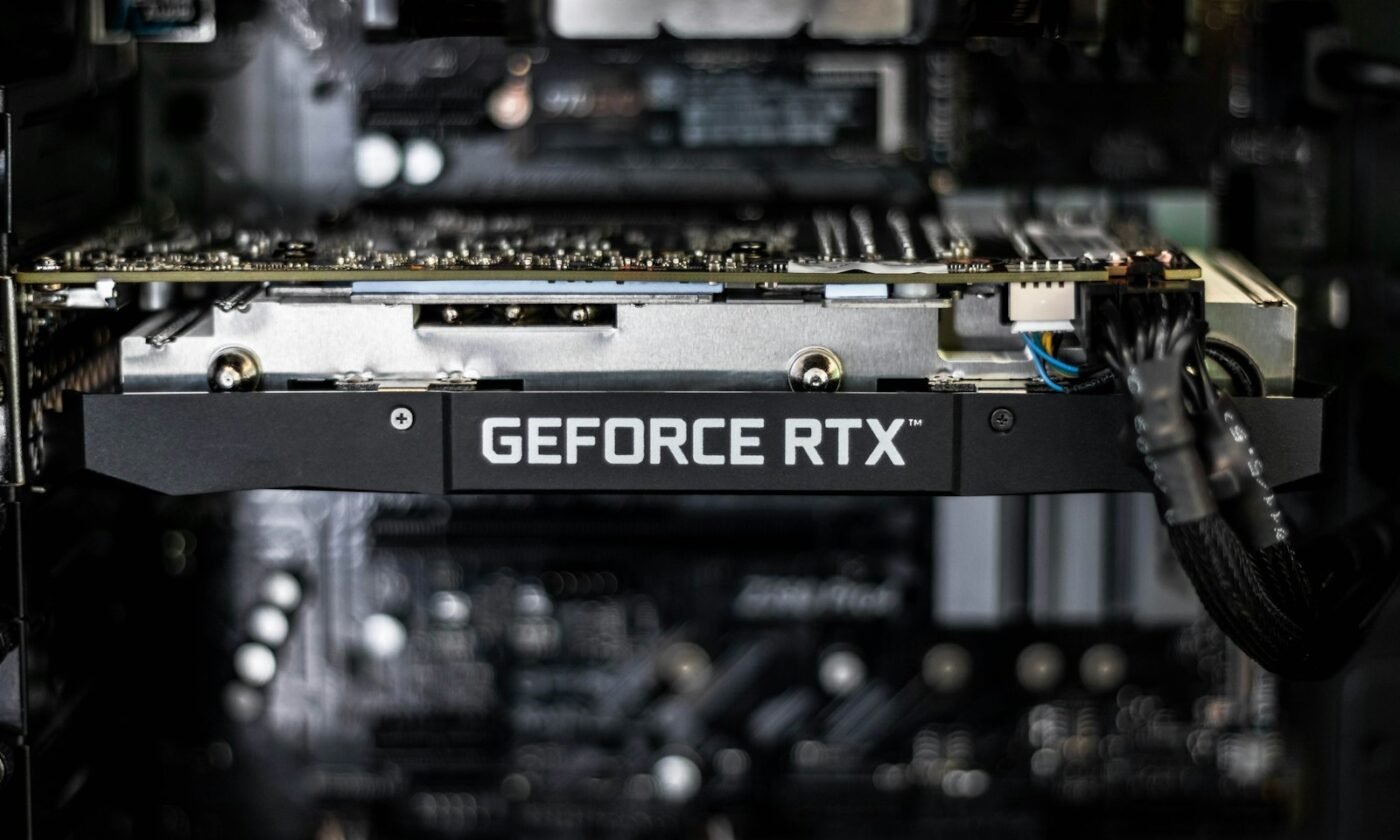
Nvidia reports third-quarter results on Tuesday, November 17, 2026, after the market closes. Small businesses should not trade on it, but they should watch three things: how strong AI demand is, whether chip supply is easing, and what that could mean for the price of the AI tools and cloud services they pay for every month.
Most owners will never buy a chip from Nvidia. Still, the company sits underneath almost every AI product you use, from chatbots to meeting notes to image tools. When Nvidia says demand is strong, cloud providers keep building, and the cost of building flows into the prices you see on your invoice. This guide explains what to expect on November 17, which numbers matter, and a free calculator to estimate how AI price changes could hit your budget. For a broader look at spending, see our guide on how much a small business should spend on AI tools.
This article is general information about a public company, not investment advice.
When does Nvidia report, and what is the quarter?
Nvidia’s earnings call is on Tuesday, November 17, 2026, at 2 p.m. Pacific (5 p.m. Eastern). It covers the third quarter of fiscal 2027, which ended October 25, 2026. Nvidia’s fiscal year runs ahead of the calendar, so “fiscal 2027” ends in January 2027.

A six-person agency pays $30 per seat for an AI writing tool and $200 a month for an image generator. Both vendors run on rented cloud GPUs. When GPU supply is tight, vendors raise prices or cut usage limits. When supply loosens, discounts and bigger allowances tend to follow. The agency does not buy Nvidia chips, but Nvidia’s results hint at which way its bill may move.
What did Nvidia say last quarter?
In its second quarter of fiscal 2027, which ended July 26, 2026, Nvidia reported revenue of $96.2 billion, up 106% from a year earlier. Data center revenue, the part that sells AI chips and systems, was about $89 billion, more than 92% of the total. For the third quarter, the company guided to roughly $108 billion in revenue, plus or minus 2%, with a gross margin around 74%. That outlook assumed no data center compute revenue from China.
| Metric | Q2 FY2027 (reported) | Q3 FY2027 (guidance) |
|---|---|---|
| Total revenue | $96.2 billion | About $108 billion (±2%) |
| Data center revenue | About $89 billion | Not broken out |
| Gross margin | Not the focus | About 74% |
| China data center compute | Excluded from outlook | Assumed zero |
Analysts will compare the real November 17 numbers with that $108 billion guide. A result well above it suggests demand is still running hot. A result near or below it would raise questions about whether AI spending can keep growing at this pace.
Why does this matter to a small business?
You are an indirect customer, and the link is simple:
- Big tech buys chips. Cloud giants and AI labs spend tens of billions on Nvidia systems.
- They rent that power out. Your AI tools run on it, and their cost depends on how scarce it is.
- Vendors set prices. If their cost rises, expect higher subscriptions, tighter usage limits or new “premium” tiers.
- If supply improves, price cuts and richer free plans are more likely.
That connection is not perfect. Software companies also change prices for competitive reasons, and our coverage of the AI price war shows how fast the market can swing. But Nvidia’s report is one of the clearest early signals of where AI infrastructure is headed.
Five numbers to watch on November 17
- Total revenue versus the $108 billion guide. Beating or missing it shows whether demand is still accelerating.
- Data center revenue. This is the AI business. A slowdown here matters more than any other line.
- Gross margin near 74%. It shows pricing power. Lower margins can mean heavier competition or rising costs.
- The next-quarter outlook. Forward guidance moves markets more than the past quarter.
- Comments on supply and new systems. Nvidia has said its Vera Rubin systems are ramping. Faster supply usually helps customers.
They treat AI spending as a fixed cost. It is a variable cost that can jump. Track what you pay per tool each month and set an alert when any bill rises more than 15%.
AI Cost Exposure Calculator
See how a price change in AI tools could affect your yearly budget.
What should you do before and after the report?
Before November 17
- List every AI tool you pay for, the price and the renewal date.
- Mark which ones you use weekly. Cancel or downgrade the rest.
- Check which contracts are annual and which are month to month.
After the report
- If demand looks strong, expect prices to hold or rise. Lock in annual plans only if the discount is real.
- If supply is easing, wait before long commitments. Better offers may come.
- Ask vendors in writing about usage limits and price protection.
If you rely on several AI agents, read our comparison of AI agent platforms for small business to see which pricing models give you the most predictability.
Choose AI tools priced by seat or by flat plan when you can. Pure usage-based pricing is harder to forecast, and it moves the most when infrastructure costs change.
How could the report shape the AI market over the next year?
Nvidia’s numbers are a window into how much money the biggest AI customers plan to spend. If cloud companies keep ordering at a record pace, they are also telling you that they expect their AI services to earn that money back from customers like you. That is why vendors keep adding paid tiers, usage credits and “pro” plans.
There are three plausible paths, and each affects a small business differently:
- Demand keeps climbing: prices on premium AI features stay firm, and free plans may shrink. Plan for steady or slightly higher bills.
- Demand cools: vendors compete harder, so discounts, bigger allowances and annual-plan deals become more common.
- Supply improves faster than demand: new chip systems ramp up and capacity gets cheaper, which usually leads to lower usage costs over time.
None of these is guaranteed, and a single report will not settle the question. A practical approach is to avoid long, expensive commitments for tools you only just started using, keep your data portable in case you switch providers, and revisit your AI budget every quarter. That habit protects you whichever way the market turns.
Who should pay attention?
- Founders who build products on top of AI services.
- Marketing teams that rely on AI writing and image tools.
- Agencies that resell AI-powered work to clients.
- Owners deciding between annual and monthly plans.
Risks and limits
An earnings report is one data point. Markets can react sharply even when results are strong, and vendor prices depend on many other things such as competition, software costs and exchange rates. Export rules, especially around China, can also change what Nvidia can sell. Treat the report as a signal, not a forecast, and do not make business decisions on one day’s stock move.
Open your card statement, highlight every AI or software subscription, and write down the monthly price. If your total is more than 1% of revenue, set a quarterly review so you can catch increases early.
Quick checklist
- Mark November 17 on your calendar.
- List every AI subscription and renewal date.
- Run the calculator with a 10–20% price change.
- Cancel tools you do not use weekly.
- Ask vendors about price locks.
- Review again after the report.
Frequently asked questions
When does Nvidia report earnings?
Nvidia’s third-quarter fiscal 2027 call is on Tuesday, November 17, 2026, at 2 p.m. Pacific (5 p.m. Eastern).
What did Nvidia guide for this quarter?
About $108 billion in revenue, plus or minus 2%, with gross margin around 74%, and no China data center compute revenue assumed.
Why should a small business care about Nvidia?
Nvidia chips power most AI services. Demand for them affects cloud costs, which can show up as price changes in the AI tools you use.
Will AI tool prices go up after the report?
No one can say. Strong demand can keep prices firm, while easing supply can bring discounts. Track your tools and review after the call.
Should I buy or sell Nvidia stock based on this article?
No. This article is general information and not investment advice. Speak with a licensed financial professional about investing.
How can I protect my budget from AI price increases?
List every AI subscription, prefer flat or seat-based pricing, ask vendors about price locks and review your spending every quarter.
Final takeaways
- Nvidia reports on November 17 at 2 p.m. Pacific.
- Strong AI demand can keep tool prices firm.
- Track every AI bill and review quarterly.
- Never treat the report as investment advice.
For a hands-on way to keep AI costs under control, try our AI agent workflow ROI guide before you renew any plan.

Daniel Reyes
Daniel Reyes leads the Businesstomark editorial desk, covering business news, company strategy and the tech products that shape how people work. He focuses on clear, practical explainers that help readers make smarter decisions, from choosing tools to understanding market moves.