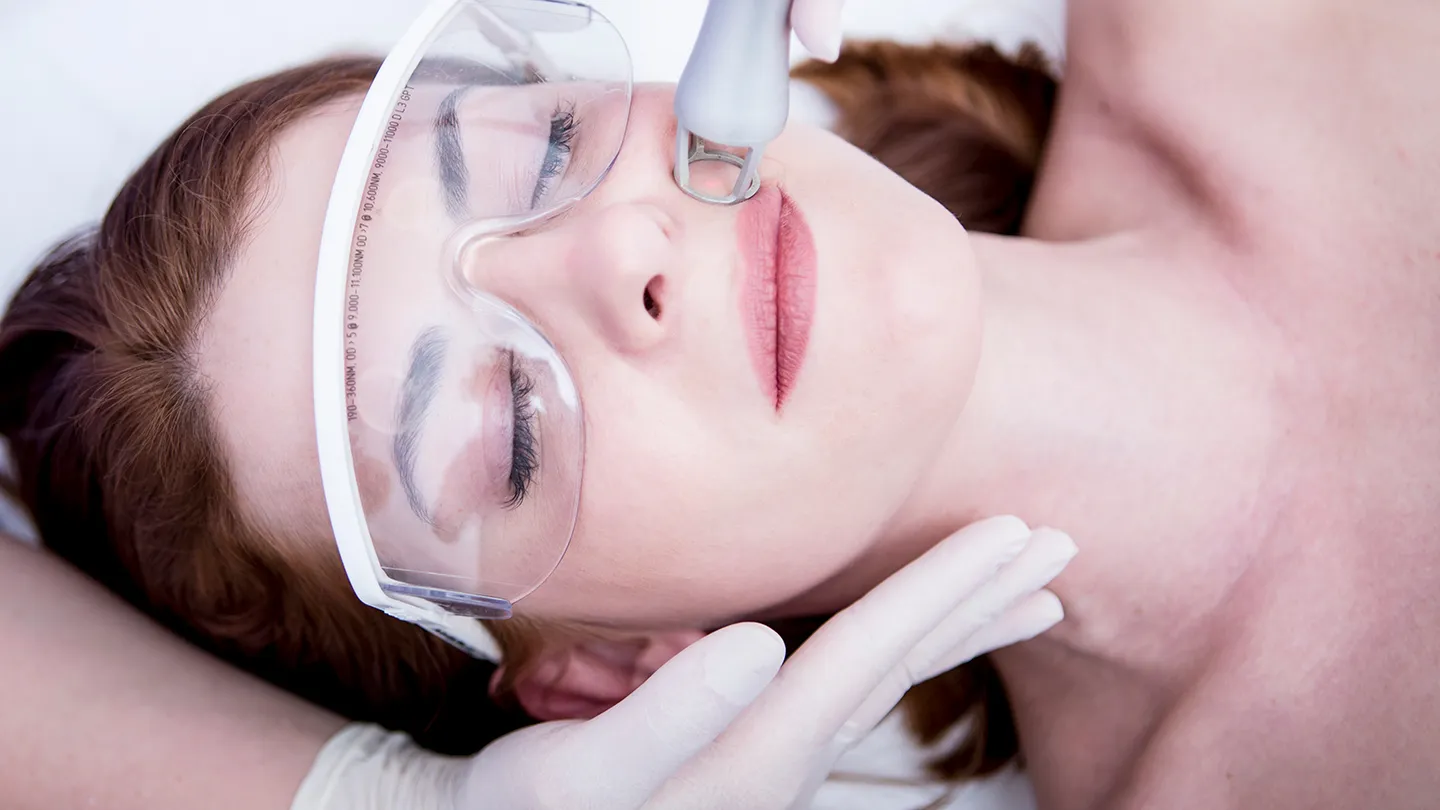
Laser skin rejuvenation has become one of the most popular non-invasive skin treatments available today, promising improvements in skin texture, tone, and overall appearance without the lengthy recovery time of traditional surgical methods. If you’re considering booking your first laser skin treatment, you may have questions about how it works, what to expect during and after your visit, and how to prepare for the best possible results. This introductory guide will demystify modern laser-based skin treatments, providing you with essential insights and tips to ensure a successful first-time experience.
Understanding Laser Skin Rejuvenation
At its core, laser skin rejuvenation leverages focused beams of light to target specific concerns on the skin’s surface or within its deeper layers. Different types of lasers are used depending on your concerns—be it sun damage, age spots, wrinkles, acne scars, or enlarged pores. The key principle with most laser devices is selective photothermolysis, meaning the laser energy is absorbed by targeted pigments or water in the skin, stimulating new collagen production and promoting the growth of fresher, healthier skin cells.
There are two broad categories of laser treatments: ablative and non-ablative. Ablative lasers, such as CO2 or Er:YAG lasers, remove the outer layers of skin for more dramatic results, making them suitable for deeper wrinkles or scars. Non-ablative lasers—like fractional lasers and intense pulsed light (IPL)—penetrate deeper into the skin without removing the top layer, offering subtler improvements with minimal downtime. Many modern clinics utilize fractional technology, which treats only a fraction of the skin’s surface during each session, balancing efficacy with gentle recovery.
Why Non-Invasive Skin Treatments Are On the Rise
The rise in non-invasive skin treatments is tied to a broader shift toward minimal disruption and maximum convenience for patients. Laser procedures can address a variety of skin concerns, including pigmentation problems, fine lines, acne marks, and uneven skin tone, with sessions often lasting less than an hour. Most treatments allow you to return to normal activities almost immediately, with only mild redness or swelling that subsides within days. For busy individuals seeking self-care without significant interruption to their routine, these therapies offer a compelling blend of results and convenience.
Preparing for Laser Skin Treatments
Preparation is a crucial but often underestimated part of ensuring a smooth laser treatment experience and optimal results. First and foremost, it’s essential to schedule a consultation with a qualified dermatologist or certified technician. This step helps determine whether you are a suitable candidate for the procedure, which type of laser is best for your skin type, and what you can realistically expect regarding results and recovery.
Prior to treatment, you’ll be advised to avoid sun exposure, tanning beds, and self-tanning products for several weeks. Sunburned or recently tanned skin is more prone to adverse effects, such as hyperpigmentation or burns. Additionally, you may be asked to stop using certain skincare products—especially those with retinoids, glycolic acids, or other exfoliants—about one week before your treatment, as these can increase skin sensitivity.