Heritage and Legacy: How Luxury Car Brands Preserve their Design DNA Over Time

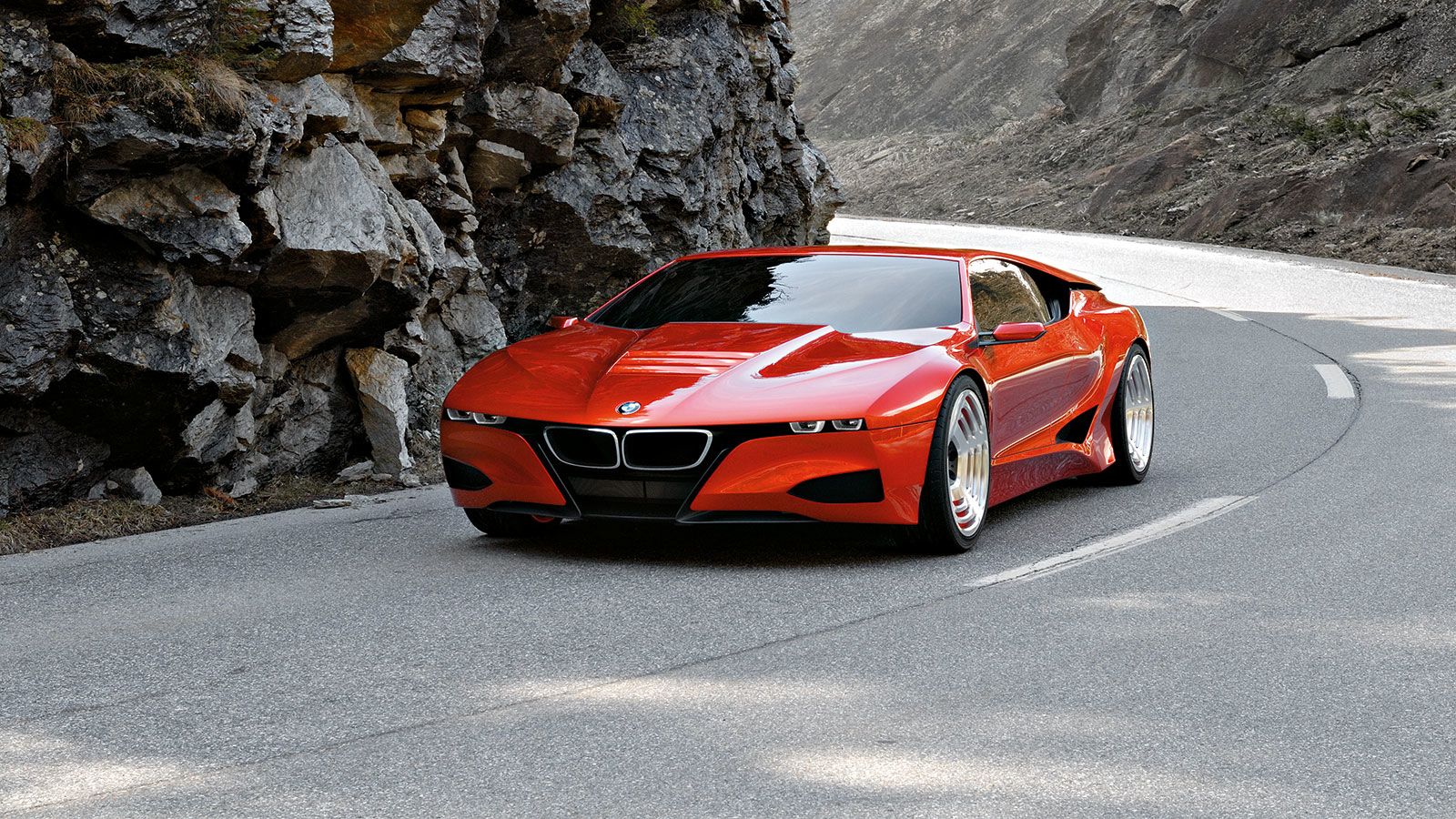
Luxury car manufacturers occupy a unique position in the automotive world. They are not simply selling vehicles — they are selling history, identity, and a promise of excellence that stretches back decades, sometimes more than a century. Understanding how these brands manage to stay true to their roots while keeping pace with rapid technological change reveals something profound about the relationship between heritage and innovation. Companies like Luxe Shield recognize this balance as fundamental to what makes a luxury automobile more than just a mode of transportation.
What Is Design DNA, and Why Does It Matter?
Before exploring how luxury brands preserve their design heritage, it helps to understand what “design DNA” actually means. In the automotive world, design DNA refers to the collection of visual and philosophical characteristics that make a brand instantly recognizable. It encompasses everything from the shape of a grille or the curve of a roofline to the brand values and craftsmanship philosophy that guide every decision made in the design studio.
Design DNA is not merely cosmetic. It represents a brand’s accumulated identity — the sum of its history, its most celebrated models, its famous designers, and its core values. When a customer purchases a Rolls-Royce or a Bentley, they are not just buying a car. They are buying into a lineage. That lineage carries weight, and protecting it requires deliberate, careful stewardship across every generation of vehicles.
For enthusiasts and collectors, continuity of design DNA is also a signal of authenticity. A brand that abandons its visual heritage in pursuit of trend-chasing risks losing the trust and loyalty that took generations to build. Conversely, a brand that evolves its design language thoughtfully — respecting the past while addressing the future — tends to deepen that loyalty over time.
Unveiling the Timeless Aesthetics
The design DNA of luxury car brands is not just about the physical attributes of the cars themselves. It is also about the ethos and values that underpin each brand. Rolls-Royce provides one of the most compelling examples of this principle in practice. The brand’s design DNA is steeped in its foundational commitment to striving for perfection — a philosophy that is reflected in its meticulous craftsmanship and extraordinary attention to detail.
Walk around any Rolls-Royce, from the Silver Ghost of the early twentieth century to the contemporary Spectre electric coupe, and certain truths remain constant: the upright Pantheon grille, the Spirit of Ecstasy mascot, the coach-built proportions, and the almost supernatural quietness of the cabin. These are not accidental holdovers. They are carefully maintained design touchstones that communicate brand identity across time.
This kind of consistency requires discipline. Design teams at luxury automakers spend considerable effort studying their brand’s archive, ensuring that new models honor the visual language established by their predecessors. It is a process that goes far beyond nostalgia — it is a strategic commitment to identity.
Balancing Heritage with Innovation
Maintaining a heritage brand’s design DNA does not mean shying away from innovation. On the contrary, the most successful luxury car brands expertly blend their historical design elements with modern technology. Mercedes-Benz and Bentley are excellent examples of manufacturers that have managed this balance with particular skill. Both brands have incorporated cutting-edge driver assistance systems, electrified powertrains, and advanced digital interfaces into their vehicles — without sacrificing the visual and experiential qualities that made them legendary in the first place.
Bentley’s Mulliner division, for instance, continues to offer bespoke hand-stitched interiors and wood veneers that take skilled craftspeople many hours to complete, even as the cars themselves are equipped with some of the most sophisticated engineering available. The juxtaposition of hand-crafted tradition and modern performance engineering is not a contradiction — it is the very thing that defines the Bentley experience.
Mercedes-Benz, meanwhile, has integrated its MBUX digital ecosystem and electrification strategy into vehicles that still carry the unmistakable three-pointed star and the brand’s signature design philosophy of elegant, restrained luxury. The balance between tradition and advancement is a cornerstone of these brands’ enduring appeal, and it explains why they continue to attract buyers who could choose almost anything.
Iconic Design Elements as Brand Anchors
Certain design elements have become so closely associated with specific luxury car brands that they function almost as logos in their own right. The kidney-shaped grille of BMW, for example, has evolved significantly from its original twin-nostril form but remains immediately identifiable on every vehicle in the lineup. The elegant long-bonnet proportions of an Aston Martin communicate grace and athleticism simultaneously, a quality the brand has maintained through radically different eras of automotive design.
These iconic features do more than define a brand’s aesthetic — they act as a connecting thread between past, present, and future models. When a customer sees the sweeping haunches of a new Jaguar or the distinctive headlight signature of a Porsche, they are experiencing a form of visual storytelling that links the car in front of them to decades of automotive history. This continuity creates emotional resonance that no amount of advertising can manufacture artificially.
Protecting these signature elements requires courage as well as creativity. Design teams must resist the temptation to reinvent everything with each new generation, instead identifying which elements carry the most meaning and finding ways to reinterpret them for contemporary tastes without losing their essential character.
The Art of Evolving Design DNA
While it is essential to preserve core design elements, luxury car brands also need to evolve their design DNA to remain relevant across changing decades and generations of buyers. Porsche, with their iconic 911 model, provides one of the most instructive examples of how this evolution can be achieved without sacrificing heritage.
The 911 has been in continuous production since 1963, and throughout that time the basic silhouette — rear-engine layout, rounded roofline, wide rear haunches — has remained recognizable. Yet the car has changed enormously in detail, technology, and performance capability. Each generation has introduced new aerodynamic features, more sophisticated suspension geometry, improved materials, and increasingly powerful engines, while always maintaining the design continuity that makes a 2024 911 unmistakably related to its 1963 ancestor.
This iterative evolution, rather than wholesale reinvention, is the hallmark of great design stewardship. It requires a deep understanding of what makes a design transcendent versus what is merely fashionable, and the wisdom to know the difference between the two.
The Role of Bespoke Culture in Preserving Heritage
One of the less-discussed aspects of design DNA preservation is the role of bespoke and personalization programs offered by many luxury automakers. These programs allow customers to specify unique colors, materials, and features, often drawing from the brand’s historical archive for inspiration. In doing so, they not only satisfy individual customer desires but also actively engage buyers in the brand’s heritage narrative.
Rolls-Royce’s Bespoke program, Ferrari’s Tailor Made service, and Aston Martin’s Q division all function as living connections to their respective brands’ pasts. A customer who orders a car in a color that references a famous historic racing livery is participating in that brand’s story — and the brand, in turn, deepens its own relationship with its own history. This feedback loop between heritage and personalization keeps design DNA vibrant and meaningful rather than merely ceremonial.
Protecting the Legacy Beyond the Vehicle Itself
Design DNA preservation extends beyond the vehicles themselves. It encompasses every touchpoint a customer has with a luxury brand, from dealership environments to brand communications and even the accessories and protective products associated with ownership. Just as a carefully chosen license plate cover can complement the refined aesthetics of a luxury vehicle, every element of the ownership experience contributes to how a brand’s identity is perceived and reinforced.
The most forward-thinking luxury brands understand that heritage is not a museum piece to be admired from a distance — it is a living, breathing quality that must be actively maintained and expressed across every dimension of the brand experience.
Design DNA as a Link to the Past and Future
The preservation of design DNA in luxury car brands is ultimately a delicate balance between maintaining a reverent link to the past and embracing the possibilities of the future. It is the artful blending of heritage and innovation that allows these brands to create cars that are simultaneously timeless in their appeal and forward-thinking in their technology.
This is not a static achievement — it demands constant creative discipline, historical awareness, and genuine respect for the legacy that has been entrusted to each new generation of designers and engineers. The brands that manage this balance most successfully are the ones that continue to charm and fascinate car enthusiasts worldwide, standing as enduring testaments to what happens when excellence becomes a tradition.
In a rapidly evolving automotive landscape shaped by electrification, autonomous technology, and shifting consumer values, the ability to carry design DNA forward with integrity and imagination will be more important than ever. The luxury automakers that understand their heritage deeply — and choose to build on it rather than abandon it — will be the ones whose names continue to inspire reverence for generations to come.

CEO- Contact us : Friend.seocompany@gmail.com
Related Stories
 Business
 Machine Learning in 2026: How It Works, Real-World Examples, Benefits, and Future Trends
6 hours ago Business
 Top 10 TikTok and CapCut Mistakes That Cost Businesses Reach, Money and Trust in 2026
12 hours agoBusiness Email Etiquette: The Rules That Genuinely Protect Your Professional Reputation
1 day ago Business
 Best AI Tools for Small Business in 2026: 20 Tools to Save Time and Grow Faster
2 days ago Business
 X vs Instagram vs Facebook in 2026: How Meta and X Are Changing Social Media for Businesses
3 days ago