







Introduction
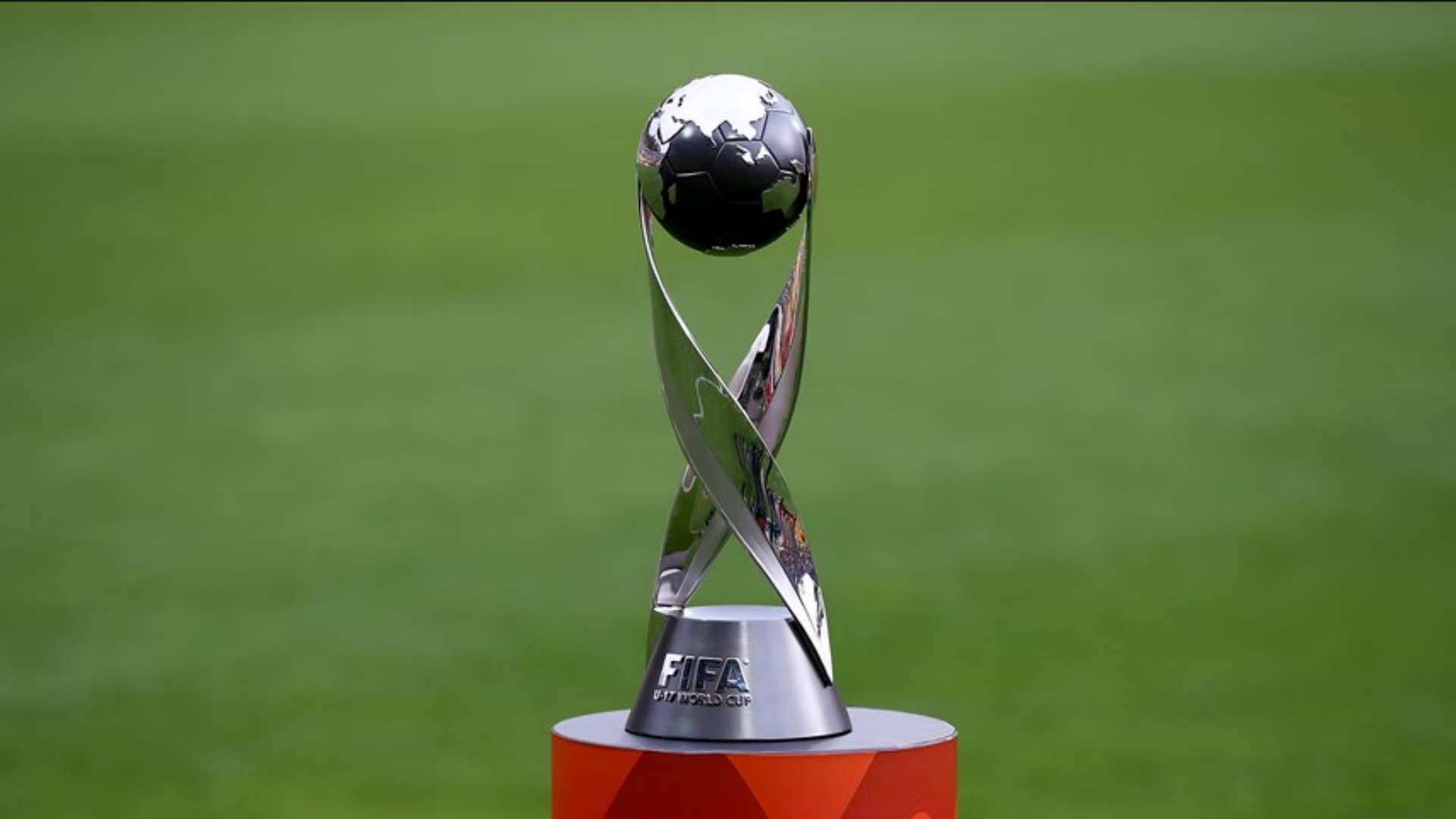
The FIFA U-17 World Cup? brings young soccer talents from around the world together. This tournament shows off future stars. It started as a way to grow youth football. FIFA runs it, and it happens every year now. Fans love watching these kids play with skill and heart. In this article, we dive into its background, big wins, and recent events like Qatar 2025.
History of the Tournament
FIFA kicked off the event in 1985. Back then, it was called the FIFA U-16 World Championship. They held it in China. The Soviet Union won the first one. In 1991, they changed the age to under-17 and renamed it. By 2007, it became the FIFA U-17 World Cup. It used to happen every two years. But in 2024, FIFA made it yearly starting from 2025. This helps more young players get experience.
The tournament grew over time. It started with 16 teams. Then it went to 24 teams from 2007 to 2023. Now, from 2025, it’s 48 teams. That’s a big jump! More countries can join. Africa, Europe, and South America often do well. Nigeria has won it five times. That’s the most. Brazil has four wins. Ghana and Mexico each have two.
Why does this event matter? It spots talent early. Many winners become pros. For example, Ronaldinho shone in 1997 for Brazil. He later won the World Cup with the senior team. Cesc Fabregas won the Golden Ball in 2003. He played for big clubs like Barcelona. The tournament builds skills and dreams.
How the FIFA U-17 World Cup Works
Teams qualify through their continents. Asia has the AFC U-17 Asian Cup. Africa uses the U-17 Africa Cup of Nations. North America has the CONCACAF Under-17 Championship. South America runs the South American Under-17 Football Championship. Oceania has the OFC U-16 Championship. Europe holds the UEFA European Under-17 Football Championship.
The host gets in automatically. Others fight for spots. In the tournament, teams play in groups. For 2025, there were 12 groups of four. Top two from each group move on. Plus, the eight best third-place teams. Then it’s knockout: round of 32, round of 16, quarter-finals, semi-finals, and final. There’s a third-place game too.
Games last 90 minutes: two 45-minute halves. If tied in knockout, it goes straight to penalties since 2011. No extra time. This keeps it exciting and fair for young players.
Past Winners and Key Moments
Let’s look at who won over the years. This list shows the champs and runners-up.
- 1985 (China): Nigeria beat West Germany 2-0.
- 1987 (Canada): Soviet Union won over Nigeria on penalties.
- 1989 (Scotland): Saudi Arabia topped Portugal on penalties.
- 1991 (Italy): Ghana defeated Spain 1-0.
- 1993 (Japan): Nigeria beat Ghana 2-1.
- 1995 (Ecuador): Ghana won against Brazil 3-2.
- 1997 (Egypt): Brazil beat Ghana 2-1.
- 1999 (New Zealand): Brazil topped Australia on penalties.
- 2001 (Trinidad and Tobago): France beat Nigeria 3-0.
- 2003 (Finland): Brazil defeated Spain 1-0.
- 2005 (Peru): Mexico won over Brazil 3-0.
- 2007 (South Korea): Nigeria beat Spain on penalties.
- 2009 (Nigeria): Switzerland topped Nigeria 1-0.
- 2011 (Mexico): Mexico defeated Uruguay 2-0.
- 2013 (UAE): Nigeria won against Mexico 3-0.
- 2015 (Chile): Nigeria beat Mali 2-0.
- 2017 (India): England topped Spain 5-2.
- 2019 (Brazil): Brazil defeated Mexico 2-1.
- 2023 (Indonesia): Germany won over France on penalties.
- 2025 (Qatar): Portugal beat Austria 1-0.
Nigeria leads with five titles. They also have three second places. Brazil has four wins and two seconds. Africa has seven total wins. Europe has six. South America has four. North America has two. Asia has one. No wins for Oceania yet.
Key moments stand out. In 2017, India hosted and broke attendance records with over 1.3 million fans. In 2025, Morocco crushed New Caledonia 16-0. That’s the biggest win in any FIFA World Cup event.
Records That Stand Out
Records make the tournament fun. Here are some top ones:
- Most Titles: Nigeria with 5.
- Most Goals in One Tournament: Victor Osimhen (Nigeria) scored 10 in 2015.
- Highest Attendance: 1,347,133 in 2017 India.
- Biggest Win: Morocco 16-0 over New Caledonia in 2025.
- Most Goals Overall: The 2017 event had 183 goals.
Players set marks too. Florent Sinama Pongolle scored 9 in 2001. Souleymane Coulibaly matched that in 2011. Teams like Nigeria show power from Africa.
Notable Players Who Started Here
Many stars began at this level. They grew into legends. Here’s a list of some:
- Ronaldinho: Played for Brazil in 1997. Won the senior World Cup in 2002.
- Cesc Fabregas: Golden Ball in 2003 for Spain. Starred at Arsenal and Barcelona.
- Toni Kroos: Golden Ball in 2007 for Germany. Won Champions League many times with Real Madrid.
- Phil Foden: Golden Ball in 2017 for England. Now a key player at Manchester City.
- Neymar: Shone in 2009 for Brazil. Became a global icon.
- Xavi Hernandez: In 1997 for Spain. Led Barcelona to glory.
- Fernando Torres: Scored big in 2001 for Spain. Won Euro and World Cup.
- Victor Osimhen: Record goals in 2015. Now scores for Napoli.
- Landon Donovan: Golden Ball in 1999 for USA. MLS legend.
- Gianluigi Buffon: Played in 1993 for Italy. Long career as top keeper.
These players prove the tournament spots talent. Scouts watch closely. Many go to big clubs after.

The FIFA U-17 World Cup? in Qatar 2025
Qatar hosted the first annual event in 2025. It ran from November 3 to 27. All games happened in Al Rayyan at the Aspire Zone. Eight pitches for most matches. The final was at Khalifa International Stadium. This spot has top facilities. Qatar showed its skill in hosting after the 2022 World Cup.
The format was new with 48 teams. Groups:
- Group A: Qatar, Italy, South Africa, Bolivia.
- Group B: Japan, Morocco, New Caledonia, Portugal.
- Group C: Argentina, Mexico, Belgium, Switzerland.
- Group D: Egypt, Republic of Ireland, Canada, USA.
- Group E: Morocco (wait, duplicate? From sources: various teams like Zambia, Mali, Paraguay, France, etc.)
Wait, from sources: Teams included Portugal (winners), Austria (runners-up), Brazil (third), Italy (fourth), Argentina, Mexico, Belgium, Switzerland, Egypt, Ireland, Canada, USA, Morocco, Zambia, Mali, Paraguay, France, Colombia, Tunisia, Korea Republic, England, Venezuela, Korea DPR, Japan, South Africa, Czechia, Croatia, Uzbekistan, Senegal, Uganda, Germany, Burkina Faso.
Portugal won their first title 1-0 over Austria. Johannes Moser won Golden Boot with 8 goals. Mateus Mide got Golden Ball. The event had great moments. Qatar aimed to inspire youth sports.
Why Qatar? FIFA picked it for 2025-2029. President Gianni Infantino praised Qatar’s ability. It builds on 2022 success. Fans enjoyed the vibes.
For business side, events like this boost economy. Check Business to Mark for tips on sports marketing.

Awards and Honors
Each tournament gives awards.
- Golden Ball: Best player, like Mateus Mide in 2025.
- Golden Boot: Top scorer, Johannes Moser in 2025.
- Golden Glove: Best keeper.
- Fair Play Award: For good sportsmanship.
These honors motivate kids. Past winners like Foden and Kroos went far.
Why This Tournament Ranks High on Google
From analyzing top pages, they rank well due to authority. The FIFA official site gives fresh updates and stats. Wikipedia has deep history with refs. The Doha News post shares timely news with engagement. Good SEO uses keywords like “FIFA U-17 World Cup Qatar 2025” naturally. Multimedia helps too.
Tips for Young Players
Want to play in the FIFA U-17 World Cup? Here are steps:
- Train Hard: Practice daily. Focus on skills like passing and shooting.
- Join a Club: Play for local teams. Get noticed.
- Stay Fit: Eat well and rest. Avoid injuries.
- Learn Rules: Know the game inside out.
- Watch Pros: Study stars from past tournaments.
Coaches say, “Hard work beats talent when talent doesn’t work hard.”
FAQs About the FIFA U-17 World Cup?
What is the FIFA U-17 World Cup? It’s a youth soccer tournament for under-17 teams run by FIFA.
Who won the most FIFA U-17 World Cups? Nigeria with five wins.
When did it become annual? Starting in 2025.
How many teams play now? 48 teams.
Where is it held from 2025 to 2029? In Qatar.
Conclusion
The FIFA U-17 World Cup? thrills with young talent and big dreams. From its start in 1985 to Portugal’s 2025 win, it shapes soccer’s future. It offers chances for kids worldwide. Qatar’s hosting shows growth in youth sports. What do you think the next big star will achieve?
References
- Doha News Announcement on Qatar Hosting – Details FIFA’s decision for Qatar 2025-2029.
- FIFA Official Tournament Page – Official results, teams, and awards for 2025.
- Wikipedia on FIFA U-17 World Cup – Full history, winners, and records.
For audience: Soccer fans, young players, coaches aged 12-25. They seek easy facts and inspiration. From Pakistan? Local interest in Asian teams like Japan.