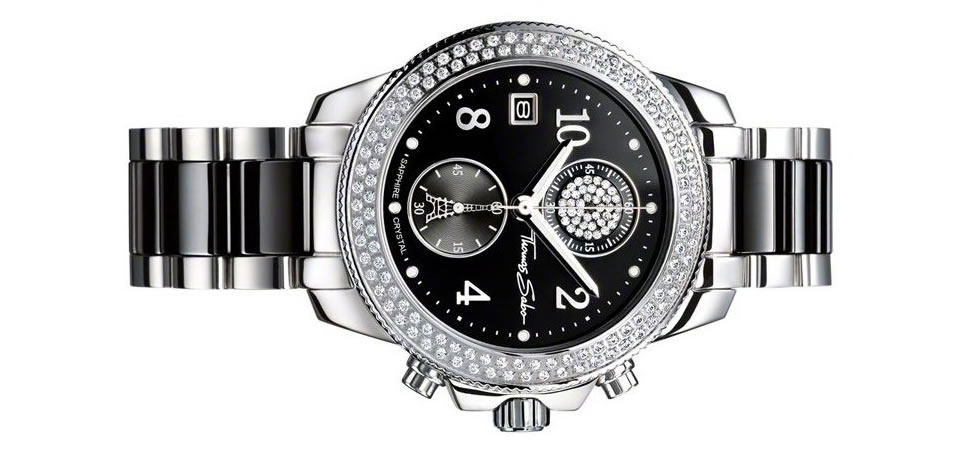
A mechanical watch is one of the few possessions genuinely designed to outlast its original owner, but only with periodic, deliberate care — neglect it, and even the finest movement will eventually run poorly or stop working entirely well before its time.
Understanding What Makes Mechanical Watches Different
Unlike a quartz watch running on a battery, a mechanical watch relies on hundreds of tiny, precisely machined moving parts working together continuously — which is exactly why it requires a fundamentally different kind of ongoing care than a battery-powered watch that can largely be ignored between battery changes.
Winding: Getting the Basics Right
A manual (non-automatic) mechanical watch needs regular winding to keep running, and winding it fully before it completely stops — rather than letting it run all the way down repeatedly — puts less cumulative stress on the mainspring over the watch’s lifetime. Automatic watches wind themselves through wrist motion but still benefit from occasional manual winding if they haven’t been worn for several days.
Water Resistance Isn’t Permanent — It Degrades Over Time
The gaskets and seals responsible for a mechanical watch’s water resistance rating gradually degrade with age and temperature changes, meaning a watch rated water-resistant when purchased may no longer meet that same standard years later without maintenance. Having water resistance tested periodically, particularly before intentionally swimming or diving with an older watch, prevents a costly, entirely avoidable water damage repair.
Regular Servicing: The Maintenance Most Owners Skip
Most watchmakers recommend a full service — cleaning, lubrication, and inspection of the movement’s internal components — every three to five years, even if the watch appears to be running normally. Skipping this recommended service interval is the single most common reason a mechanical watch’s lifespan falls short of the decades it’s genuinely capable of running.
Storage Habits That Actually Matter
Storing a mechanical watch away from direct sunlight, extreme temperature swings, and strong magnetic fields (certain electronics and speakers can affect a movement’s accuracy) protects both its internal components and its external finish over time. A dedicated watch box or simply a stable drawer, rather than a bathroom cabinet exposed to humidity swings, is a meaningfully better long-term storage environment.
Magnetism: An Underappreciated, Common Problem
Modern life places watches in regular proximity to phones, laptops, and other magnetized devices, and a magnetized movement can cause a mechanical watch to run significantly fast or lose accuracy without any visible external sign of damage. A watchmaker can quickly test for and correct magnetism, and it’s worth checking if a previously accurate watch suddenly starts running noticeably off.
Cleaning the Case and Bracelet Without Damaging the Watch
A soft, slightly damp cloth is generally safe for wiping down a case and metal bracelet between services, but submerging a watch for cleaning — even one rated water-resistant — carries genuine risk if the seals have degraded since the water resistance rating was last verified, making a careful wipe-down the safer routine habit.