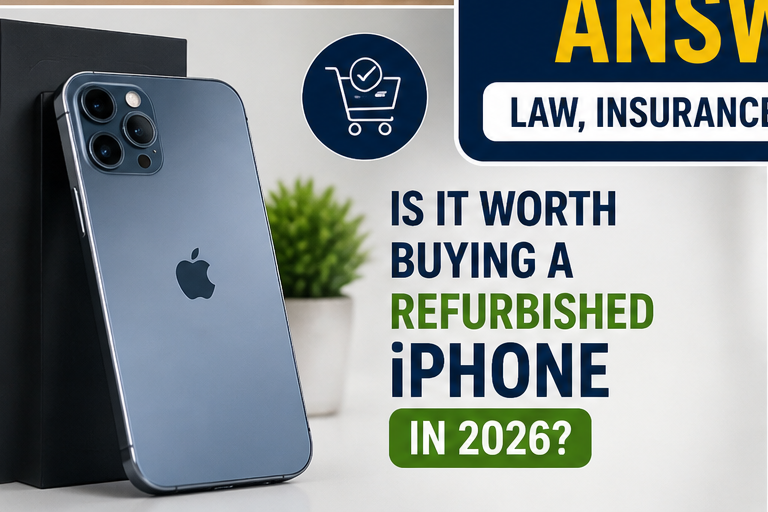
With new iPhone prices climbing every year, refurbished models have become a genuinely mainstream way to get a recent-generation device without paying full retail. But “refurbished” covers a wide quality range, from properly tested devices with new batteries to barely-inspected used phones resold with a misleading label. Here’s how to tell the difference and decide if it’s worth it for you.
In this article
- What “Refurbished” Actually Means
- The Financial Case for Refurbished
- What to Check Before Buying
- Where to Buy for the Best Combination of Price and Assurance
- Red Flags Worth Avoiding
- When Refurbished Might Not Be the Right Choice
- How Refurbished Pricing Has Shifted in 2026
- How Long a Refurbished iPhone Should Realistically Last
- Checking Trade-In Value Before Selling Instead
- Frequently Asked Questions
What “Refurbished” Actually Means
A genuinely refurbished iPhone has been inspected, had faulty components repaired or replaced (commonly the battery and sometimes the screen), fully data-wiped and reset, and tested against a quality checklist before resale. This differs meaningfully from a “used” or “pre-owned” listing, which may simply be resold as-is with no guaranteed testing or repairs.
Apple Certified Refurbished represents the highest quality tier — new battery, thoroughly tested, often a new outer shell, and backed by a full 1-year warranty identical to buying new.
 Also readiPhone Duo Sells Out: Prices, Wait Times and Resale Risks Every Buyer Should Know
Carrier or major retailer refurbished programs are generally reliable, though battery health and cosmetic grading standards can vary between providers.
Third-party marketplace refurbished listings range from excellent to poor, making careful research the most important step in this category specifically.
The Financial Case for Refurbished
Refurbished iPhones typically sell for 25-35% less than the equivalent new model, with the exact discount depending on how many generations behind current the device is. For many buyers, a refurbished iPhone one or two generations behind the newest release offers nearly identical day-to-day performance — the camera, processor speed, and core features remain very capable — at a meaningfully lower price.
What to Check Before Buying
Battery health percentage. This is the single most important number to verify. Ask the seller directly, or check it yourself in Settings > Battery > Battery Health once you receive the device. Anything below 85% suggests the battery wasn’t replaced during refurbishment, even if the phone looks pristine.
IMEI and blacklist status. Before completing a purchase, run the phone’s IMEI through a free checker to confirm it isn’t reported lost, stolen, or blacklisted by a carrier — a blacklisted phone can become unusable without warning, sometimes months after purchase.
Warranty length and terms. Reputable refurbished sellers typically offer at least 90 days of warranty coverage, with the best programs extending to a full year. Be cautious of listings with no warranty or vague “as-is” terms.
Cosmetic grading transparency. Ask for actual photos of the specific unit if buying through a marketplace listing, rather than relying on generic stock photos that may not reflect the real condition of what you’ll receive.
Face ID and Touch ID functionality. These can be affected if a screen was replaced with a non-genuine part during refurbishment. Test this immediately upon receiving the device, ideally within the return window.
Where to Buy for the Best Combination of Price and Assurance
For the strongest guarantee of quality, Apple Certified Refurbished (when available for your desired model) remains the safest option, though pricing sits closer to new than third-party alternatives. For better discounts with still-reasonable assurance, established refurbishers with transparent grading systems and solid return policies — such as reputable refurbished electronics retailers with published quality standards{:target=”_blank” rel=”nofollow noopener”} — offer a strong middle ground between price and confidence in what you’re getting.
Red Flags Worth Avoiding
No stated battery health percentage anywhere in the listing. This omission alone should raise questions about whether the battery was actually addressed during refurbishment.
Pricing significantly below the typical market range for that grade and model. Unusually low prices often signal a blacklisted device, undisclosed damage, or a battery nowhere near full health.
No return policy, or an unusually short one. A confident, quality-focused seller typically offers at least 14-30 days to test the device before you’re locked into the purchase.
Sellers unwilling to provide the IMEI before purchase. Legitimate sellers should have no issue sharing this, since it’s necessary information for you to verify the device independently.
When Refurbished Might Not Be the Right Choice
If you specifically want the absolute newest camera system, chip, or feature set, refurbished stock will typically lag a generation or two behind current releases by nature. If you’re not comfortable with any cosmetic imperfections (light scratches or minor wear, common even in “excellent” graded units), a new device may better suit your expectations.
How Refurbished Pricing Has Shifted in 2026
Refurbished iPhone pricing has become more competitive as the secondhand and certified-refurbished market has matured, with more retailers now offering standardized grading systems that make comparing listings across sellers considerably easier than it was a few years ago. This increased transparency has generally been good for buyers, since sellers competing on clearly stated battery health and cosmetic grade have less room to obscure a device’s real condition behind vague marketing language. That said, pricing still varies more than most buyers expect for what should be an identical grade and model, which makes comparing at least three listings before buying a worthwhile step regardless of which platform or seller you’re considering.
How Long a Refurbished iPhone Should Realistically Last
Assuming the battery was genuinely replaced or is in good health, a refurbished iPhone should perform comparably to a new one of the same model for the remainder of its useful software support life — typically several more years of iOS updates depending on how many generations behind current it already is. The refurbishment itself doesn’t shorten a device’s realistic lifespan; what matters most is the same factors that affect any iPhone’s longevity, including battery health, storage capacity for future app and OS updates, and how many more years of software support Apple provides for that specific model.
Checking Trade-In Value Before Selling Instead
If refurbished pricing still feels high relative to your budget, it’s worth checking what your current phone could fetch in trade-in or private sale value first, since that amount directly offsets the refurbished purchase price. Trade-in values fluctuate based on new model release timing — values typically dip right before a new iPhone launch and can recover slightly afterward as demand for slightly older models shifts toward secondhand buyers instead.
Frequently Asked Questions
Does a refurbished iPhone come with a warranty like a new one? Only Apple Certified Refurbished units carry the same full warranty as new. Third-party refurbished warranties vary significantly, so check terms carefully before buying.
Can I trade in a refurbished iPhone later? Yes — trade-in programs generally evaluate the phone’s actual condition and specifications at trade-in time, regardless of whether it was originally purchased new or refurbished.
How can I verify battery health before completing a purchase? Ask the seller directly for a screenshot of the Battery Health screen, and verify it yourself immediately upon receiving the device, ideally within your return window in case it doesn’t match what was described.
Are there risks specific to buying refurbished internationally? Yes — carrier locking, warranty coverage, and even physical compatibility with local networks can vary for internationally sourced refurbished phones, so confirm these details specifically before purchasing from an overseas seller.
For more technology buying guidance, explore our Tech Review category.