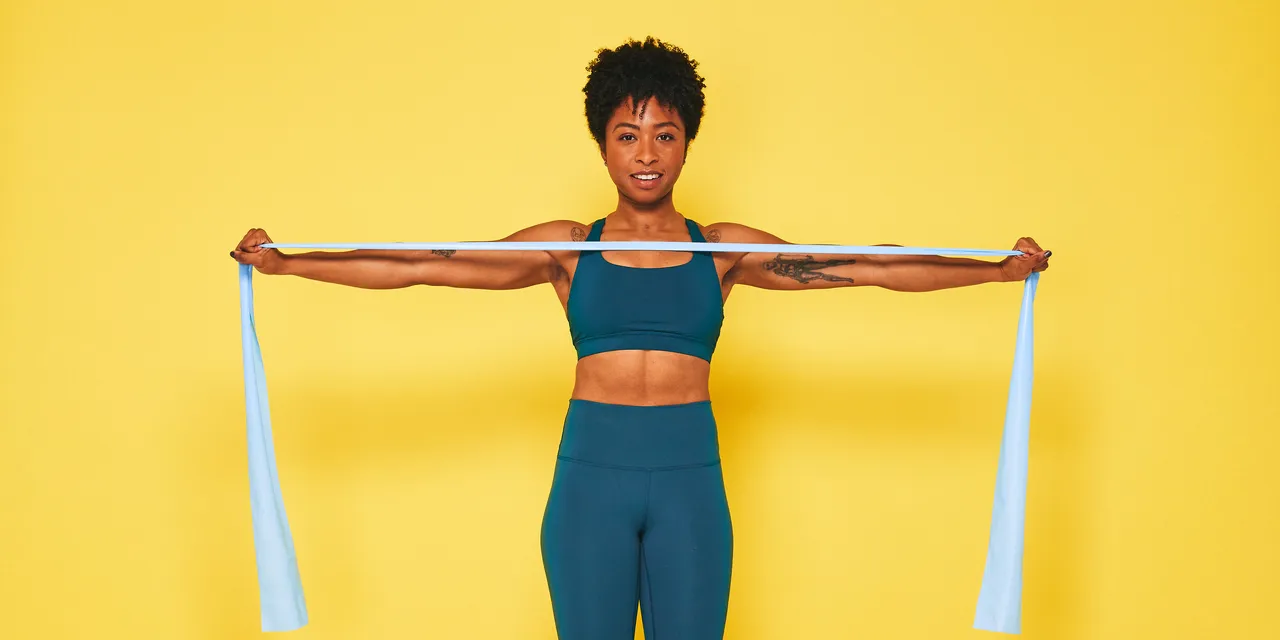
Aging is a beautiful journey, but it often comes with challenges like joint stiffness, muscle loss (sarcopenia), and a higher risk of falls. While heavy gym equipment might feel intimidating or unsafe, there is a simple, affordable, and highly effective solution hiding in your drawer: the resistance band.
Resistance bands are the secret weapon for healthy aging. Unlike heavy dumbbells, they provide accommodating resistance—the band gets tighter as you pull, matching your natural strength curve and protecting your joints. Whether you are 60 or 90, these tools can help you build the strength needed to lift groceries, play with grandchildren, or climb stairs with ease.
In this guide, we will explore the best resistance band exercises for seniors at home. We have curated a full-body routine that targets posture, lower body stability, and grip strength, all while you stay safe in your living room.
Why Resistance Bands Are Ideal for Older Adults
Before we dive into the movements, it is important to understand why experts call resistance training the “fountain of youth.” According to physical therapists, maintaining muscle mass as we age helps regulate blood sugar, metabolism, and bone density .
Resistance band exercises for seniors at home offer specific advantages:
-
Joint-Friendly: The smooth tension of the band eliminates the jerky momentum that often happens with free weights, reducing stress on arthritic joints.
-
Adaptable: If an exercise feels too hard, you simply shorten the range of motion or use a lighter band. If it is too easy, you step on the band for more leverage.
-
Balance Training: A study published in the International Journal of Environmental Research and Public Health confirmed that using elastic bands challenges postural control, which is crucial for preventing falls .
Safety First: A Note Before You Start
Always consult with your primary care provider before beginning a new fitness routine. Listen to your body; you should feel the “burn” of a working muscle, but never sharp pain in your joints.
-
Warm-Up: Walk around the house for 5 minutes or do arm circles to get blood flowing.
-
Breathe: Exhale during the hard part (the lift) and inhale as you return to the start. Never hold your breath.
-
Check the Band: Inspect your band for nicks or tears before use.
The 10 Best Resistance Band Exercises for Seniors at Home
This routine is broken down into upper body, lower body, and core stability. Perform these exercises 2–3 times per week, resting for 48 hours between sessions to allow muscles to recover.
Upper Body Routine (Posture & Daily Tasks)
These moves target the back, shoulders, and arms to help you maintain an upright posture and push/pull with confidence.
1. Seated Band Row (Fixing Posture)
Many seniors suffer from a hunched back. The seated row strengthens the rhomboids and rear deltoids to pull the shoulders back.
-
How to do it: Sit on the floor or a firm chair with your legs extended. Loop the band around the soles of your feet. Hold the ends with straight arms. Pull the band straight back toward your waist, squeezing your shoulder blades together.
-
Reps: 10–15 repetitions.
2. Chest Press (Getting out of a Chair)
This exercise mimics the motion of pushing yourself up from a seated position or pushing a heavy door.
-
How to do it: Wrap the band around your upper back (under your armpits). Hold the ends in your hands. Start with your hands in front of your chest, elbows bent. Push forward until your arms are straight .
-
Reps: 10–12 repetitions.
3. Bicep Curls (Lifting Groceries)
Strong biceps make carrying bags and plates significantly easier.
-
How to do it: Stand on the center of the band with both feet hip-width apart. Hold the handles (or ends) with palms facing forward. Keeping your elbows pinned to your sides, curl your hands up toward your shoulders .
-
Reps: 10–15 repetitions.
Lower Body & Balance (Walking & Stability)
Leg strength is the foundation of independence. These best resistance band exercises for seniors at home focus on the hips and glutes, which are often neglected but vital for balance.
4. Seated Leg Press (Building Thigh Strength)
This is a safe way to build quadricep strength without stressing the lower back.
-
How to do it: Sit tall in a chair. Tie a loop in the band or hold the ends. Place the band under your right foot and hold the ends behind your knee (or tie the band to the chair leg). Straighten your right leg against the resistance.
-
Reps: 12–15 reps per leg.
5. Standing Hip Extension (Walking Power)
Walking requires lifting the leg backward. This exercise strengthens the glutes to improve your stride.
-
How to do it: Stand behind a sturdy chair for support. Loop the band around your ankles. Keeping your knee straight, slowly lift one leg backward, squeezing your glutes. Avoid leaning forward .
-
Reps: 10–12 reps per leg.
6. Side Leg Lifts (Fall Prevention)
Falls often happen when we step sideways and lack stability. This move targets the abductors (outer hips).
-
How to do it: Stand with feet together, holding a chair. Place a mini-band (or looped long band) just above your knees. Keeping your back straight, lift your right leg out to the side about 12 inches .
-
Reps: 10–12 reps per leg.