When your pet is sick or coming out of surgery, you feel torn between fear and hope. You want clear answers. You want to know what happens next. A trusted Oakville veterinarian gives that clarity. You learn what to watch for, what to ignore, and when to act fast. You see how pain is checked, how stitches are protected, and how infections are stopped before they spread. You also see how rest, food, and water support healing. At every step, you are not alone. You get a plan in plain language. You get honest timelines. You get help when setbacks appear. This blog explains how vets guide you and your pet through those hard days after surgery or illness. You will see how steady care, simple habits, and quick action can protect your pet and ease your own fear.
What Your Vet Does Before Your Pet Comes Home
Recovery starts before you walk out the clinic door. Your vet checks three things. Your pet’s pain. Your pet’s breathing. Your pet’s ability to wake and move safely.
Then your vet:
- Reviews the surgery or illness in plain words
- Shows you how to support the cut, bandage, or wound
- Explains each medicine and when to use it
Your vet may give you written discharge notes. You can keep these near your pet’s rest spot. You can also ask for a simple schedule. Time of day. Dose. Reason. That structure reduces fear and prevents missed doses.
For extra support on home care after surgery, you can read the guidance from the American Veterinary Medical Association.
Managing Pain And Keeping Your Pet Safe
Pain control is central to healing. An animal in pain will not eat, drink, or rest. That slows recovery.
Your vet may use:
- Pain pills to give at home
- Anti inflammatory medicine
- Special patches or injections that last many hours
Never use human pain pills. Many common human drugs are toxic to pets. Even a small amount can damage the kidneys or the liver. If you think your pet is still in pain, call your vet. Describe what you see. Limping. Whining. Hiding. Refusing food. Your vet can adjust the plan.
Safety also means movement control. Your vet may suggest:
- Short leash walks only for dogs
- Room rest for cats without climbing access
- A crate or pen for some surgeries
Set clear rules for the whole family. No laps. No stairs. No rough play. Simple rules protect healing tissue.
Watching The Incision Or Sick Body Part
Every incision or wound needs eyes on it. Your vet will tell you how often to check it. Usually at least twice a day.
Look for three things:
- Color. Normal is pale pink around the line
- Leak. A small, clear or slightly red seep can be normal early on
- Shape. The line should stay closed with no gaps
Call your vet at once if you see:
- Thick yellow or green discharge
- Bad smell
- Sudden swelling or heat
- Bleeding that does not slow
Your vet may use a collar to stop licking or chewing. This feels harsh at first. Yet it prevents torn stitches and infection. You can ask about softer collar options that still block access.
Feeding, Drinking, and Bathroom Habits
Food and water tell a clear story about healing. So do pee and poop. Your vet will give feeding instructions based on the surgery or illness.
Often your vet will suggest:
- Small meals for the first day
- Bland food for a short time
- Fresh water within reach at all times
Track this each day:
- How much your pet eats
- How often your pet drinks
- When your pet urinates and defecates
If your pet does not urinate within 24 hours, or vomits more than once, call your vet. A sudden change in appetite or thirst also needs a call. The Public Health Agency of Canada offers general pet health tips that support safe care at home.
Common Recovery Problems And When To Call
Many problems can be caught early. Your vet will review signs that need urgent contact.
| Sign You See At Home | What It Might Mean | What To Do
|
|---|---|---|
| Refuses all food for 24 hours | Nausea or pain | Call your vet the same day |
| Heavy panting at rest | Pain or breathing trouble | Call at once |
| Constant licking of incision | Risk of infection or torn stitches | Use collar. Call if it continues |
| Swelling that grows fast | Bleeding or fluid build up | Seek urgent vet care |
| Limp that worsens after surgery | Joint strain or implant trouble | Call for follow up |
How Vets Plan Follow Up Visits
Follow-up visits confirm healing. They also give you space to ask new questions.
Your vet may schedule three stages of checks:
- Early check to remove bandages or adjust medicine
- Stitch removal visit
- Late check to clear your pet for full play
At each visit, your vet will:
- Review your notes on eating, drinking, and behavior
- Check the incision or sick body system
- Change limits on exercise
You can bring photos or a short log. Date. Time. Sign. This helps your vet make sharp decisions.
Supporting Your Pet’s Mind During Recovery
Healing is not only physical. Your pet’s mind also needs care. Many animals feel confused after surgery or during illness. They may whine, cling, or withdraw.
You can support your pet by:
- Keeping a calm, quiet room
- Using a steady routine for feeding and meds
- Offering gentle touch if your pet seeks it
For active pets, your vet may suggest simple mental games that do not strain the body. You can use food puzzles, scent games with treats, or short training sessions that use only the head, not the body. Always ask your vet before starting any game.
Working As A Team With Your Vet
Recovery is a shared job. Your vet offers medical skills. You offer steady daily care. Both roles matter.
You can strengthen that team by:
- Asking every question, even if it feels small
- Writing down all care steps
- Calling early when something feels wrong
Your pet trusts you. You can trust your vet. With clear plans, honest updates, and quick action, you can guide your pet through surgery or illness recovery with less fear and more control.
Related posts:
![pet5ardas com]()
Pet Care Tips at Pet5ardas Com for Happy and Healthy Pets
Dog-Pets
What Is Puppy Socialization, Really? Moving Beyond Simple Exposure
Dog-Pets4 Reasons To Build A Relationship With A Local Veterinary Hospital
Dog-Pets![How Much Raw Food to Feed a Dog: A Practical Guide for Policy-Minded Pet Owners]()
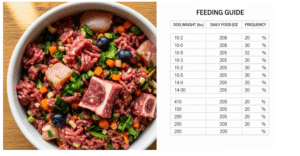
How Much Raw Food to Feed a Dog: A Practical Guide for Policy-Minded Pet Owners
Dog-Pets![How to Travel With Your Dog Like a Pro]()
How to Travel With Your Dog Like a Pro
Dog-Pets![Why Every Active Dog Owner Needs a Harness with 3 D-Rings]()
Why Every Active Dog Owner Needs a Harness with 3 D-Rings
Dog-Pets