
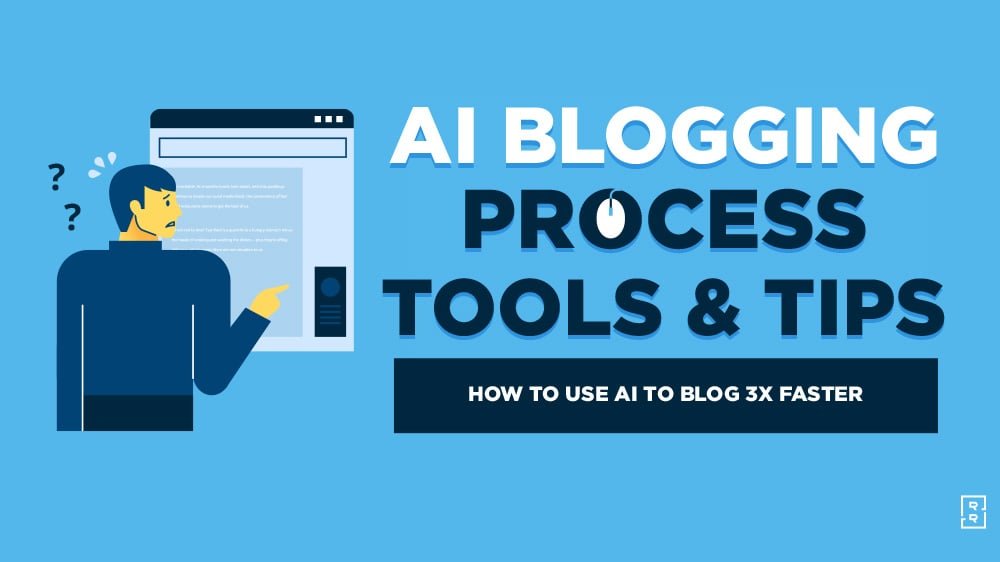
Artificial Intelligence (AI) has transformed the way bloggers create content. What once required hours of brainstorming, writing, editing, and optimization can now be done much faster with the help of AI-powered tools. From generating blog ideas to optimizing articles for search engines, AI can streamline nearly every part of the blogging process.
However, using AI tools effectively requires strategy. Bloggers who understand how to combine human creativity with AI assistance can produce high-quality, engaging, and SEO-friendly content consistently. In this article, we will explore how to use AI tools to create blog content step by step.
Understanding AI Content Creation
AI content creation refers to the use of artificial intelligence software to assist with writing, researching, editing, and optimizing blog posts. These tools use machine learning and natural language processing to generate human-like text based on prompts or instructions.
AI tools can help bloggers:
- Generate blog topic ideas
- Create outlines and content drafts
- Improve grammar and readability
- Optimize articles for SEO
- Create headlines and meta descriptions
- Repurpose content for social media
Instead of replacing human writers, AI acts as a powerful assistant that speeds up the workflow and improves productivity.
Step 1: Generate Blog Topic Ideas
One of the biggest challenges bloggers face is finding fresh and engaging topics. AI tools can quickly generate dozens of blog post ideas based on your niche or keywords.
For example, if your blog is about digital marketing, you can ask an AI tool to suggest topics such as:
- Beginner guides
- Industry trends
- How-to tutorials
- Case studies
- List-based articles
AI can also analyze trending topics and user interests to suggest content ideas that are more likely to attract readers.
When generating ideas, it is helpful to include your target audience and niche. For example, instead of asking for general blog topics, ask for “blog ideas about SEO for small businesses” or “content marketing tips for beginners.” This produces more relevant suggestions.
Step 2: Conduct Research Faster
Research is a critical part of writing quality blog content. AI tools can help summarize information, identify key points, and organize research into useful insights.
Instead of manually reading multiple articles, you can ask AI tools to:
- Summarize complex topics
- Extract key statistics
- Explain difficult concepts
- Suggest supporting ideas for your article
However, it is important to verify the information. AI can sometimes provide outdated or incorrect details, so bloggers should always double-check facts before publishing.
Using AI for research saves time while still allowing writers to focus on adding personal insights and expertise.
Step 3: Create a Structured Blog Outline
A well-organized outline makes writing much easier. AI tools can generate structured outlines that include headings, subheadings, and key points.
For example, an outline for a blog about AI blogging might include:
- Introduction
- Benefits of AI for bloggers
- Tools used for content creation
- Steps for writing AI-assisted articles
- Common mistakes to avoid
- Conclusion
Having a clear outline helps maintain logical flow and ensures that all important points are covered in the article.
Bloggers can then expand each section with their own thoughts and explanations.
Step 4: Generate the First Draft
Once you have a topic and outline, AI tools can help generate the first draft of the article. This is one of the biggest advantages of using AI for blogging.
Instead of staring at a blank screen, you can provide the AI with a prompt such as:
“Write an introduction about how AI helps bloggers create content faster.”
Within seconds, the tool produces a draft that you can refine and improve.
However, relying entirely on AI-generated text is not recommended. The best approach is to treat the AI output as a starting point and then edit it to match your voice, style, and expertise.
Adding personal insights, examples, and unique perspectives will make the article more valuable and authentic.
Step 5: Improve Writing Quality
AI editing tools can significantly improve the quality of blog content. These tools analyze grammar, spelling, sentence structure, and readability.
They can help you:
- Fix grammatical errors
- Simplify complex sentences
- Improve clarity
- Enhance tone and style
- Remove repetitive phrases
For bloggers who are not native English speakers, AI writing assistants can be especially helpful in producing professional-quality content.
Clear and easy-to-read content keeps readers engaged and improves the overall user experience.
Step 6: Optimize Content for SEO
Search Engine Optimization (SEO) is essential for driving organic traffic to blogs. AI tools can help optimize articles so they perform better in search engine rankings.
Some SEO tasks AI can assist with include:
- Identifying relevant keywords
- Suggesting keyword placement
- Writing meta descriptions
- Creating SEO-friendly titles
- Analyzing content readability
- Checking keyword density
For example, if your article targets the keyword “AI tools for blogging,” AI can suggest where to place it naturally in headings, introductions, and throughout the content.
SEO optimization ensures that your blog posts are discoverable by readers searching online.
Step 7: Create Engaging Headlines
Headlines play a huge role in whether people click on your blog post. AI tools can generate multiple headline variations designed to attract attention.
Examples of headline styles include:
- List headlines: “10 Ways AI Can Improve Your Blog Writing”
- How-to headlines: “How to Use AI Tools to Write Better Blog Posts”
- Question headlines: “Can AI Really Help You Create Blog Content Faster?”
- Benefit headlines: “Why Bloggers Are Using AI to Boost Productivity”
Testing different headlines helps determine which ones generate the most engagement.
A strong headline increases click-through rates and encourages readers to explore your content.
Step 8: Generate Images and Visual Content
Visual content makes blog posts more engaging and easier to understand. AI tools can help generate images, infographics, and illustrations that match your article.
For example, AI image tools can create:
- Featured blog images
- Infographics explaining key points
- Social media graphics
- Custom illustrations
Including visuals improves reader experience and increases the chances of your content being shared online.
Step 9: Repurpose Content for Multiple Platforms
One blog post can be transformed into multiple pieces of content using AI tools.
For example, a single article can be repurposed into:
- Social media posts
- Email newsletter content
- Short summaries
- Video scripts
- Infographics
AI tools can automatically extract key points and convert them into shorter formats suitable for different platforms.
This helps bloggers maximize the value of each article while saving time.
Step 10: Maintain Human Creativity
While AI tools are powerful, the best blog content still requires human creativity and expertise.
Readers connect with authentic voices, personal stories, and unique opinions. AI can assist with structure and drafting, but the final article should reflect the writer’s personality and knowledge.
To maintain originality, bloggers should:
- Add personal experiences
- Provide real examples
- Share opinions and insights
- Use their own writing voice
Combining AI efficiency with human creativity produces the most engaging and trustworthy content.
Common Mistakes to Avoid
When using AI tools for blogging, there are several mistakes that writers should avoid.
Over-relying on AI:
Publishing AI-generated content without editing can result in generic or repetitive articles.
Ignoring fact-checking:
AI content may contain inaccuracies, so always verify important information.
Lack of originality:
Adding unique insights ensures that your content stands out from others.
Poor SEO strategy:
Even with AI assistance, proper keyword research and optimization are still necessary.
Avoiding these mistakes helps maintain quality and credibility.
The Future of AI in Blogging
AI technology continues to evolve, and its role in content creation will likely grow even more in the future. Advanced tools may soon be able to analyze audience behavior, predict trending topics, and personalize blog content for specific readers.
For bloggers and digital marketers, learning how to use AI tools effectively will become an essential skill.
Those who embrace AI while maintaining originality and quality will gain a competitive advantage in the blogging industry.
Conclusion
AI tools have revolutionized blog content creation by making the process faster, more efficient, and more accessible. From generating ideas and research to drafting, editing, and optimizing articles, AI can assist bloggers at every stage of the writing process.
However, the key to success lies in using AI as a supportive tool rather than a replacement for human creativity. By combining AI technology with personal expertise, bloggers can produce high-quality content that attracts readers and performs well in search engines.
Related posts:

Jacksonville Texas Car Accident December 1st 2025: What Drivers Need to Know About Safety and Respon...
Business
Employment Lawyer for Hostile Work Environment: Your Complete Guide to Protecting Workplace Rights
Business
Why More People Are Switching to Electric Vehicles
Business
5 Business Trends Every Entrepreneur Should Watch in 2026
Business")
Top 7 AI Tools Every Small Business Should Use This Year (2026 Guide)
Business
How Cutting Your Energy Bill Frees Up Money to Invest
Business


